Historia del estribo en el Río de la Plata hasta mediados del siglo XX
Abstract
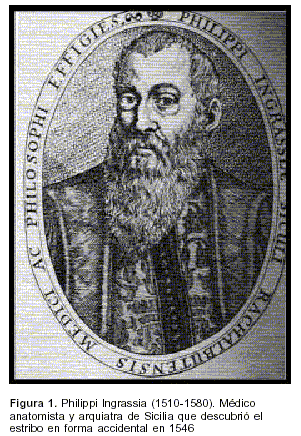
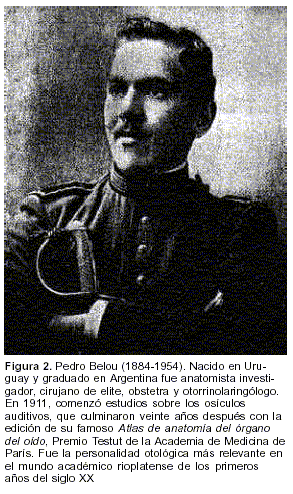
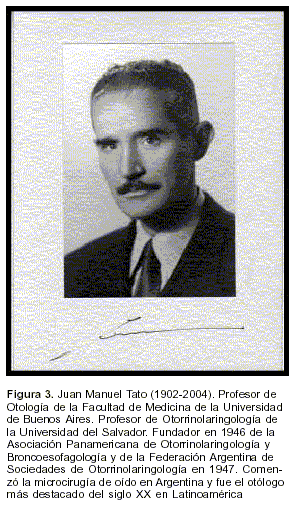
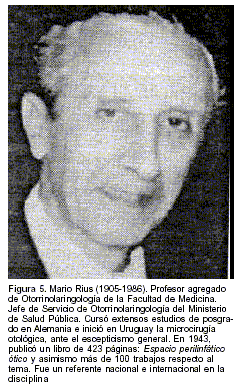
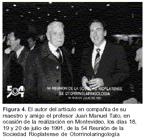
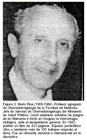
Summary The stapedius, the last bone discovered was found by accident by Philippi Ingrassia in 1546. In 1531 Constancius Varolio had described the stapedius muscle for the first time. Antonio María Valsalva found stapedio-vestibular ankylosis at the necropsy of a profoundly deaf person in 1704 and he also mentioned the existence of labyrinthine liquids. During the mid 19th Century, Joseph Toynbee conducted miscroscope studies on over 2,000 temporal muscles and he accurately described the disease Adam Politzer would later call otosclerosis. This same author and almost all great otologists of late 19th Century were against stapedial surgery - see initiatives by Ernest Mach y Johannes Kessel and stapedectomy by Frederick Jack. In the 20th Century Maurice Sourdille, a disciple of Swedish Gunnar Holmgren and Carl Olof Nylen, founders of microscopic otologic surgery, achieved certain success in fenestration after over ten years of efforts. Soon after, Julius Lempert and George Shambaugh modified the technique and fostered the opening of the labyrinth in a single time surgery, what resulted in a better outcome. Samuel Rosen, in New York rediscovered this re-positioning in 1952 and four years later John Shea, form Memphis, Tennessee also rediscovered stapedectomy. In the River Plate, the first academic reference to ossicular issues was made by Pedro Belou, who finally published an excellent Atlas on the ear's anatomy after twenty years (1912-1931) of hard dissections. We also need to remember Martín Castro Escalada due to his primacy thesis of 1914 on the development of the hearing system in mammals. Last, two great Latin Americans, Mario Rius from Uruguay and Juan Manuel Tato from Argentina taught in the area of the world the anatomic studies and developed surgical skills that led the River Plate School of Otology to its current level of excellence.
STAPES ; STAPES SURGERY, history
 Thumbnail
 Thumbnail
 Thumbnail
 Thumbnail
 Thumbnail