Intrauterine transfusion, non-immune fetal hydrops. Case report
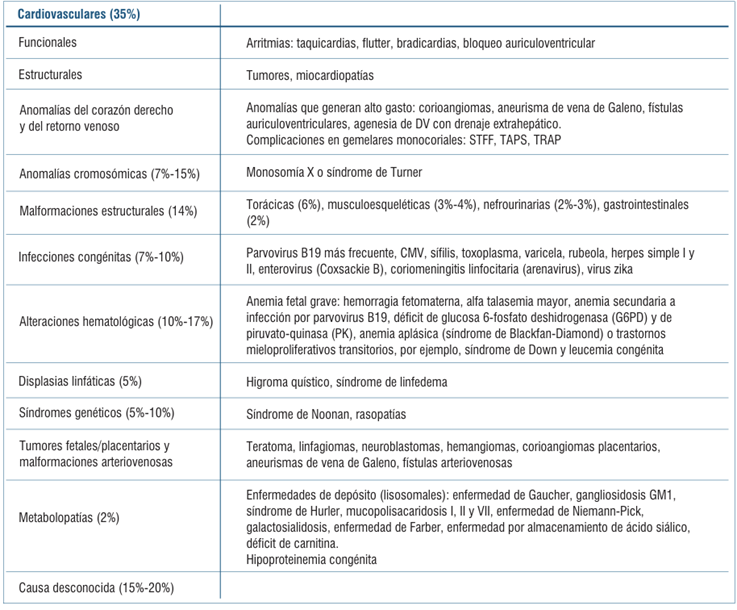
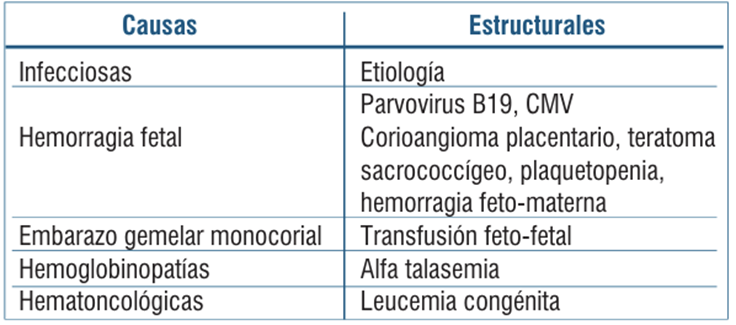
Introduction: fetal hydrops is a serious condition with a poor prognosis and high morbidity and mortality, despite improvements in diagnostics and therapeutics in recent years. Prognosis is determined by the etiology and therapeutic options associated with better outcomes, gestational age, diagnosis, and birth, although it should be noted that there are not enough long-term follow-up studies. Ultrasound diagnosis is confirmatory, with the main challenge being to identify the etiology and propose the appropriate therapeutic strategy.
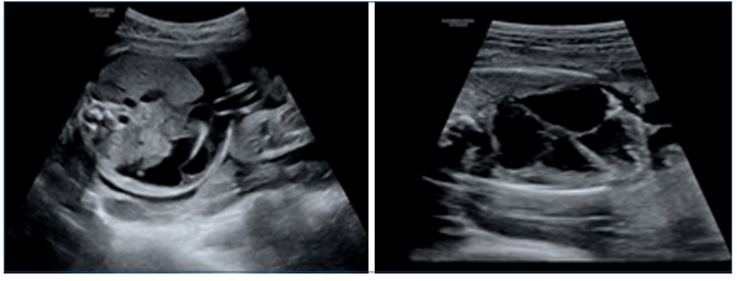
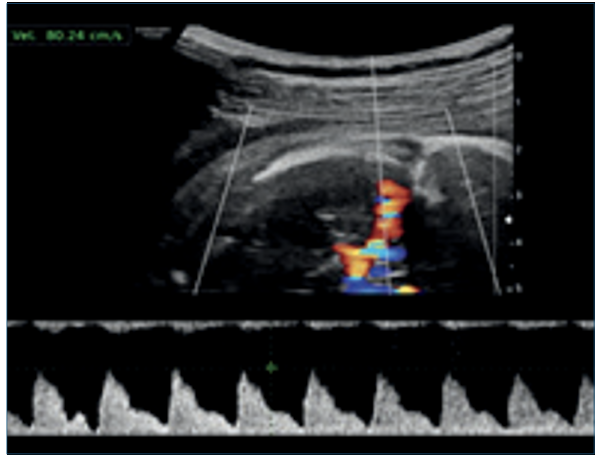
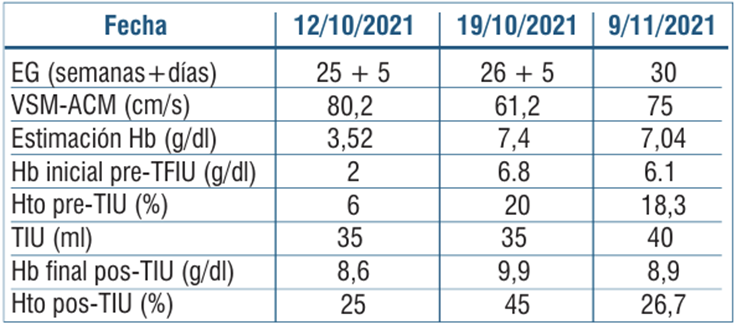
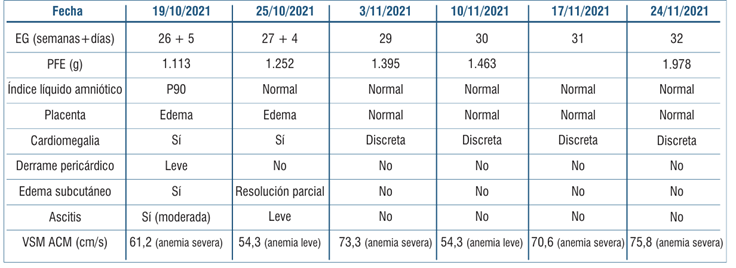
Description of the case: we present a patient diagnosed with non-immune fetal hydrops and its therapeutic approach. The cause of hydrops was severe fetal anemia, requiring 3 procedures with intrauterine partial exsanguination transfusion through Cordocentesis. At 33 weeks, the decision was made to terminate the pregnancy, with good neonatal outcomes.
Conclusions: fetal hydrops increases fetal and neonatal morbidity and mortality, posing a significant challenge for the treating team and requiring an interdisciplinary healthcare team. Understanding this condition allows for a comprehensive approach, guiding the etiology, providing timely diagnosis, and selecting appropriate treatment. As in this case, identifying severe anemia as the cause of hydrops mandates defining the management for fetuses eligible for intrauterine therapy.
Key words:
Fetal anemia; Hidrops fetalis; Cordocentesis; Intrauterine transfusión
 Thumbnail
 Thumbnail