Usefulness of the multiplex PCR panel in the early microbiological diagnosis and antimicrobial suitability in critical patients withpneumonia
Introduction: the early initiation of the adequate antibiotic therapy in severe infections is associated to a reduction in mortality. Early identification of the microorganism is essential to define directed therapy and decrease the initial inadequate treatment.
Objective: to assess usefulness of a molecular biology technique by nucleic acid amplification through a polymerase chain reaction in real time for an early microbiological diagnosis and correction of the antibiotic therapy in patients with severe pneumonias.
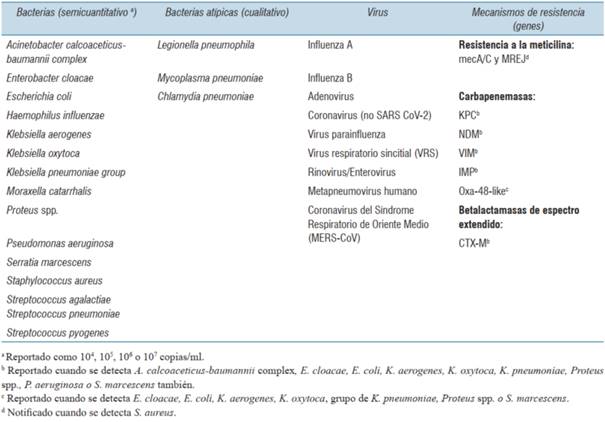
Method: retrospective, observational study conducted in the intensive care unit of Maciel Hospital. The respiratory samples of patients with a diagnosis of pneumonia or suspicious to have pneumonia were analyzed. The microbiological results obtained were compared using conventional techniques and multiplex molecular biology (pneumonia panel).
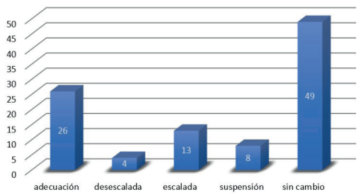
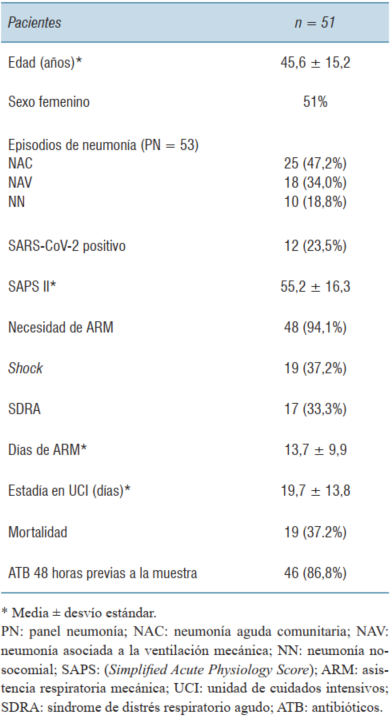
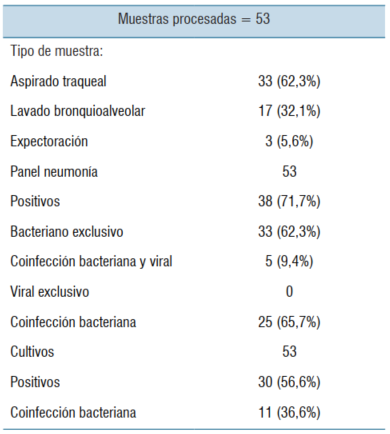
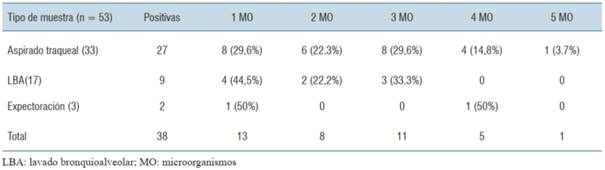
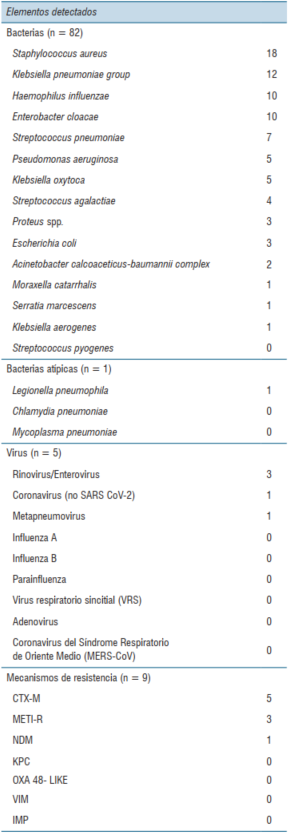
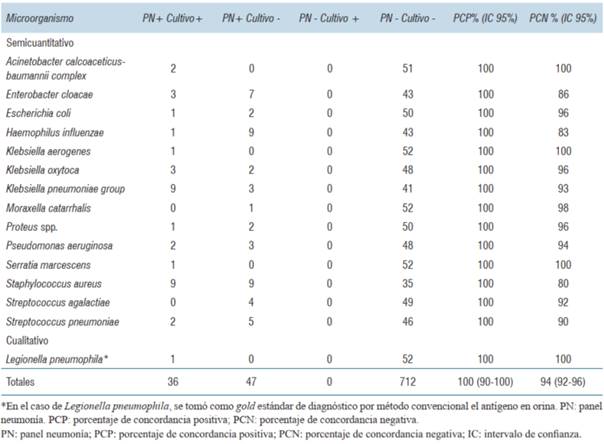
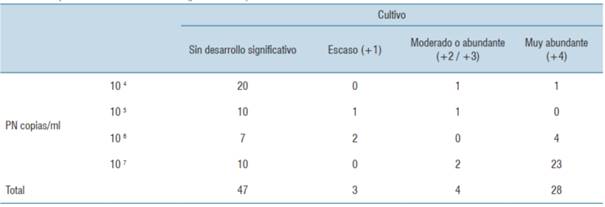
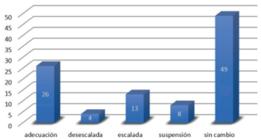
Results: 53 samples obtained from 51 patients were included in the study. Multiplex detected at least one microorganism in 38 (71.7%) samples compared to 30 (56.6%) in traditional cultures. Most samples were obtained under the previous antibiotic therapy (86.8%). The pneumonia panel showed a combined positive agreement percentage of 100% and a negative agreement of 94% for the identification of bacteria when compared to the traditional microbiological methods. In 27 cases (51%) the pneumonia panel results determined changing the therapeutic behavior.
Conclusions: the PCR technique allows for the early identification of microorganisms causing pneumonia, thus optimizing initial empirical therapy and rationalizing the use of antibiotics. A negative panel reduces the suspicion of a respiratory infection caused by the usual germs and enables considering differential diagnosis in terms of etiology or cause.
Key words:
Pneumonia; Critical care; Nucleic acid amplification techniques; Multiplex PCR panel; Rapid microbiological diagnosis
 Thumbnail