Severe acute arterial insufficiency linked to ergotism
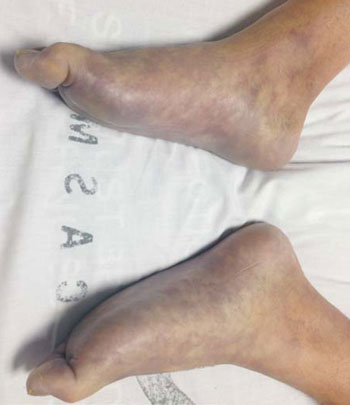
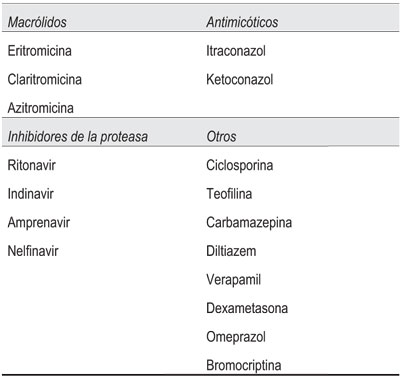
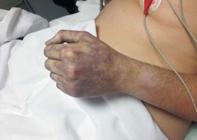
Ergotism is a rare but potentially lethal clinical syndrome linked to acute or chronic poisoning with the use of ergot alkaloids in the treatment of migraine. It is characterized by a severe generalized vasospasm that can generate peripheral or visceral ischemia and lead to multiple organ dysfunction and death. There are numerous drugs of hepatic metabolism that can alter the metabolism of ergotamine and can reach toxic concentrations even at low doses. We present the case of a patient infected with human immunodeficiency virus under antiretroviral treatment that included protease inhibitors and who had self-administered with ergotamine. The patient subsequently presented motor sensory deficit symptoms of upper and lower limbs, accompanied by elements of severe distal hypoperfusion. Arterial Doppler was requested, which showed vasospasm of the arterial axis of the limbs. A diagnosis of ergotism secondary to the ergotamine-ritonavir association was made, entering intensive care. Treatment was started based on suspension of both drugs, arterial vasodilatation with nitroprusside and antiaggregation with acetylsalicylic acid. In relation to this case, we present a review of the ergotamine toxicity mechanism, its pharmacological interactions, as well as the diagnosis and treatment available for this pathology.
Key words:
Ergotism; Acute arterial insufficiency
 Thumbnail
 Thumbnail
 Thumbnail