Study of the prevalence, associated factors, and outcomes of prolonged mechanical ventilation in ICU as a distinctive feature of chronic critical illness
Introduction: The number of critically ill patients requiring prolonged mechanical ventilation (PMV) is increasing, leading to a rise in resource utilization with consequences for healthcare systems. Numerous studies have proposed various definitions, risk factors, and prognoses for PMV. In our setting, there is a lack of data regarding this population of critically ill patients.
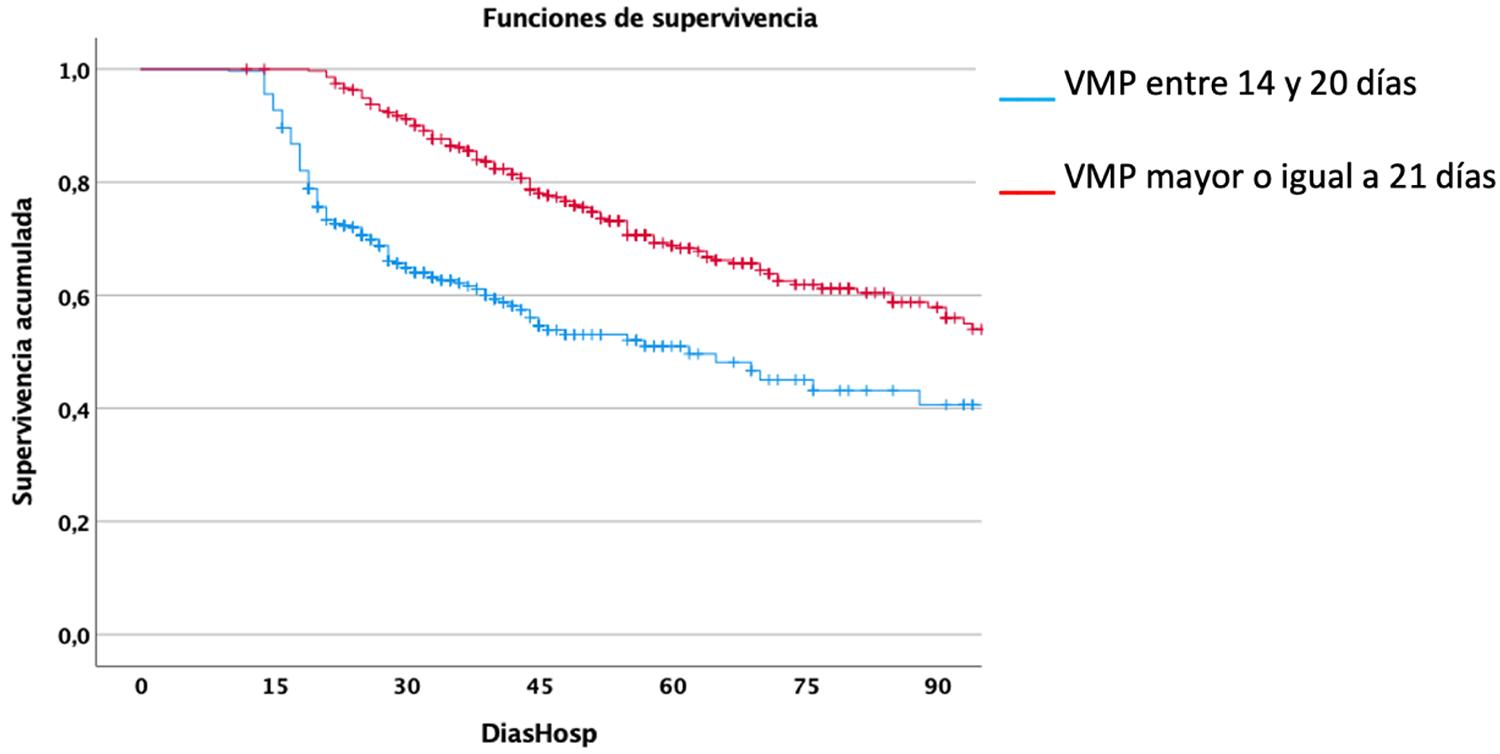
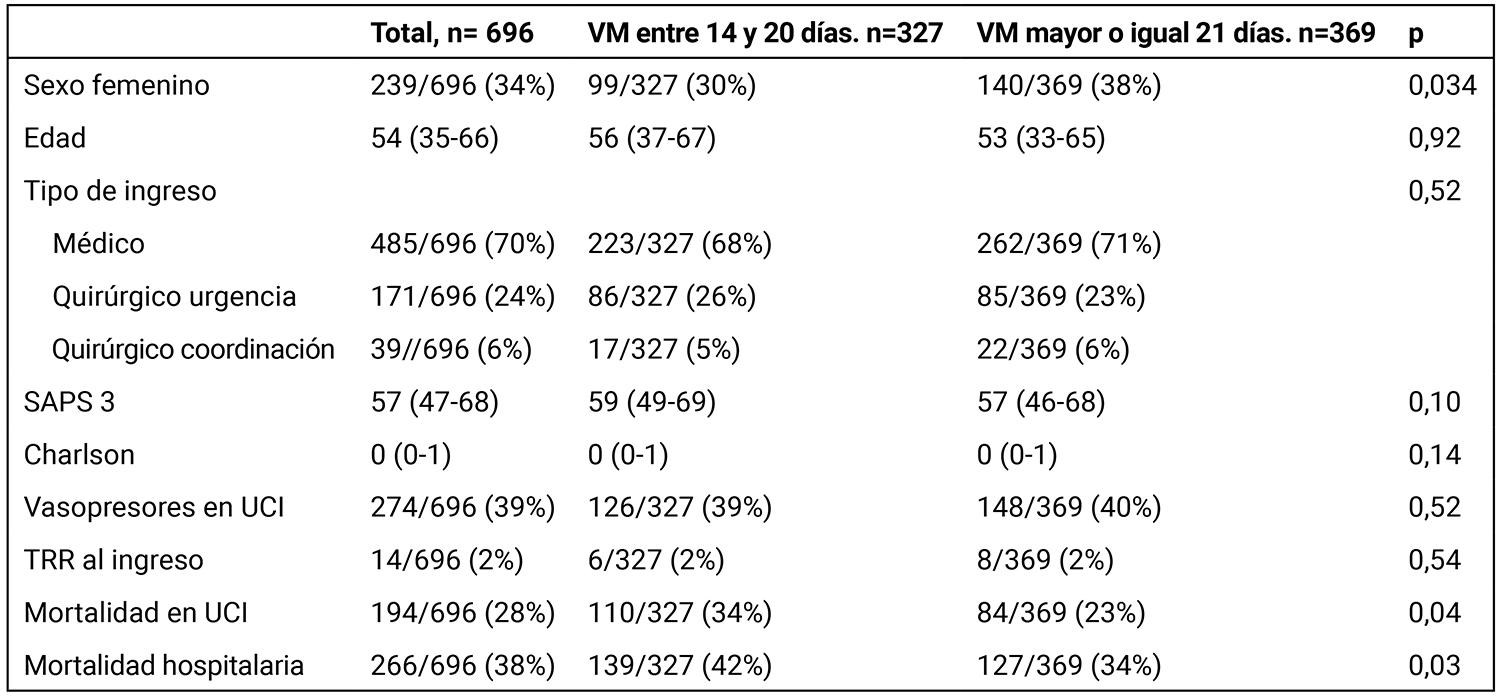
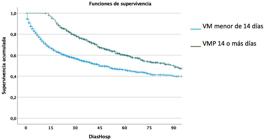
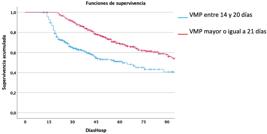
Objectives: This study aims to identify the prevalence of PMV in a polyvalent ICU and to identify risk factors for reaching this condition. Additionally, two groups of patients with PMV will be compared: those with more than 14 days and those with more than 21 days.
Material and methods: A retrospective cohort study over 94 months utilizing an ICU database (Epimed Monitor ICU system) collected prospectively by unit staff.
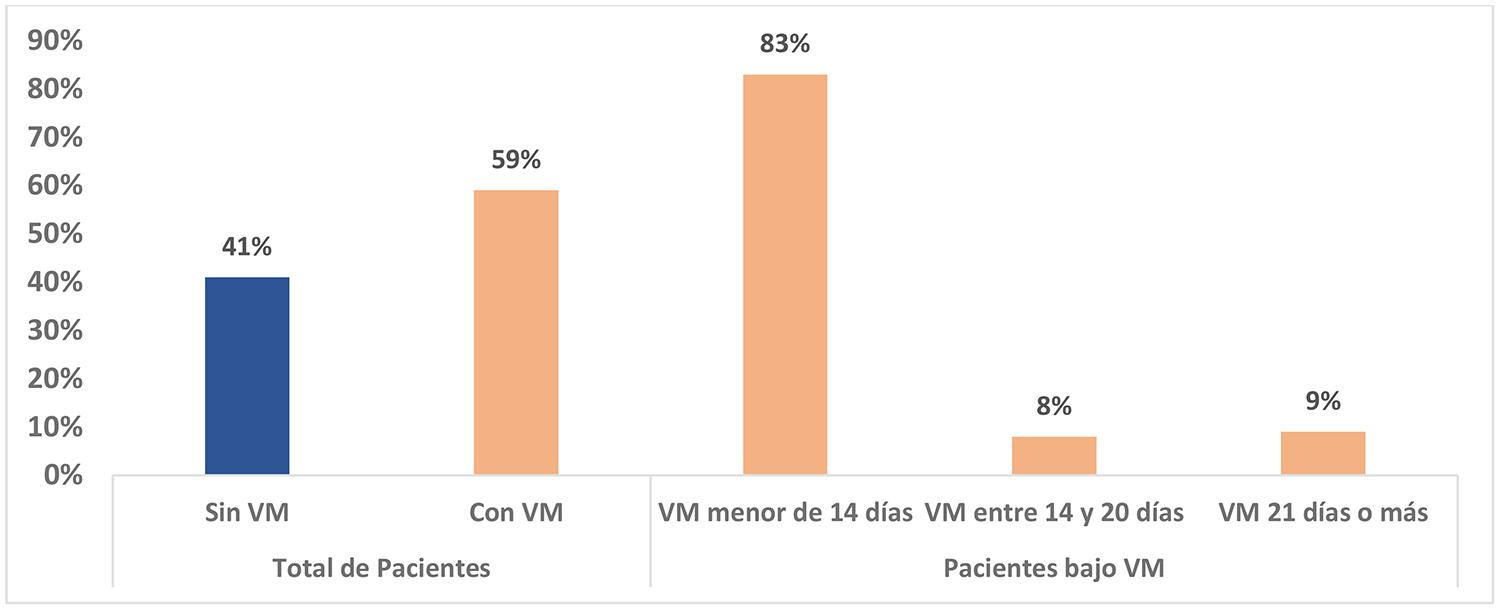
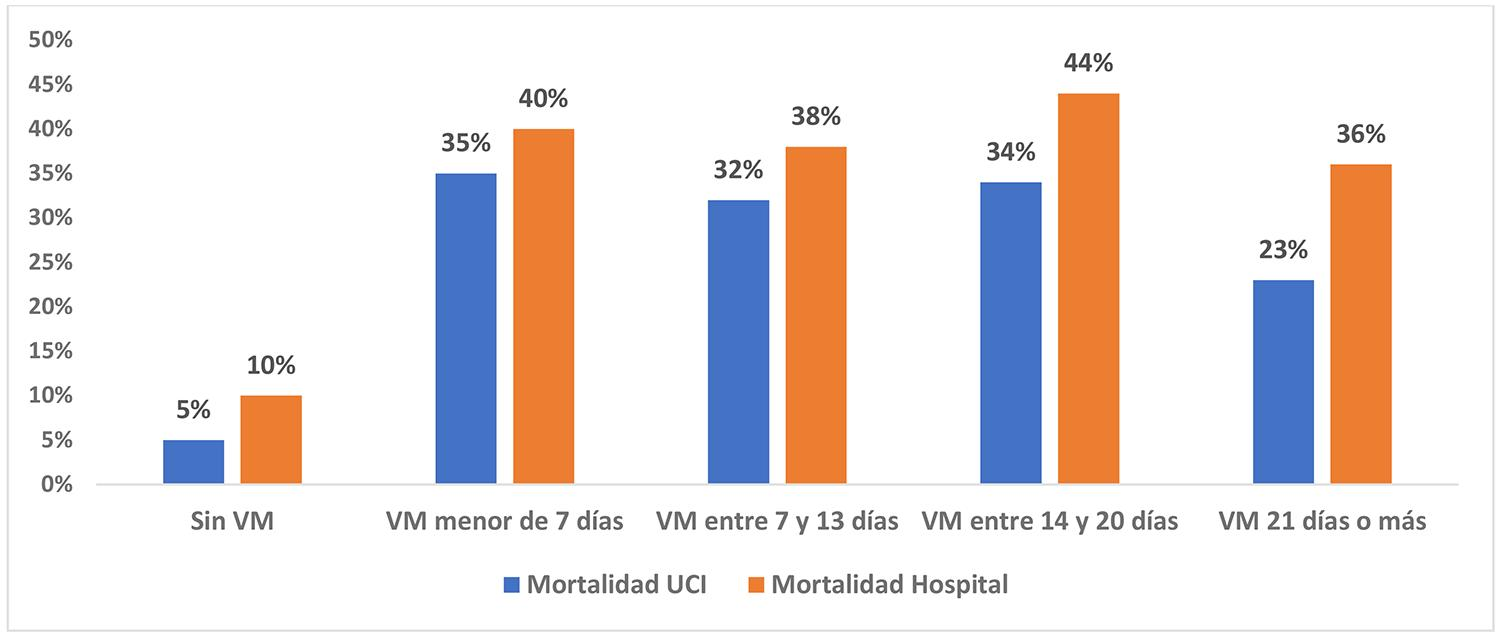
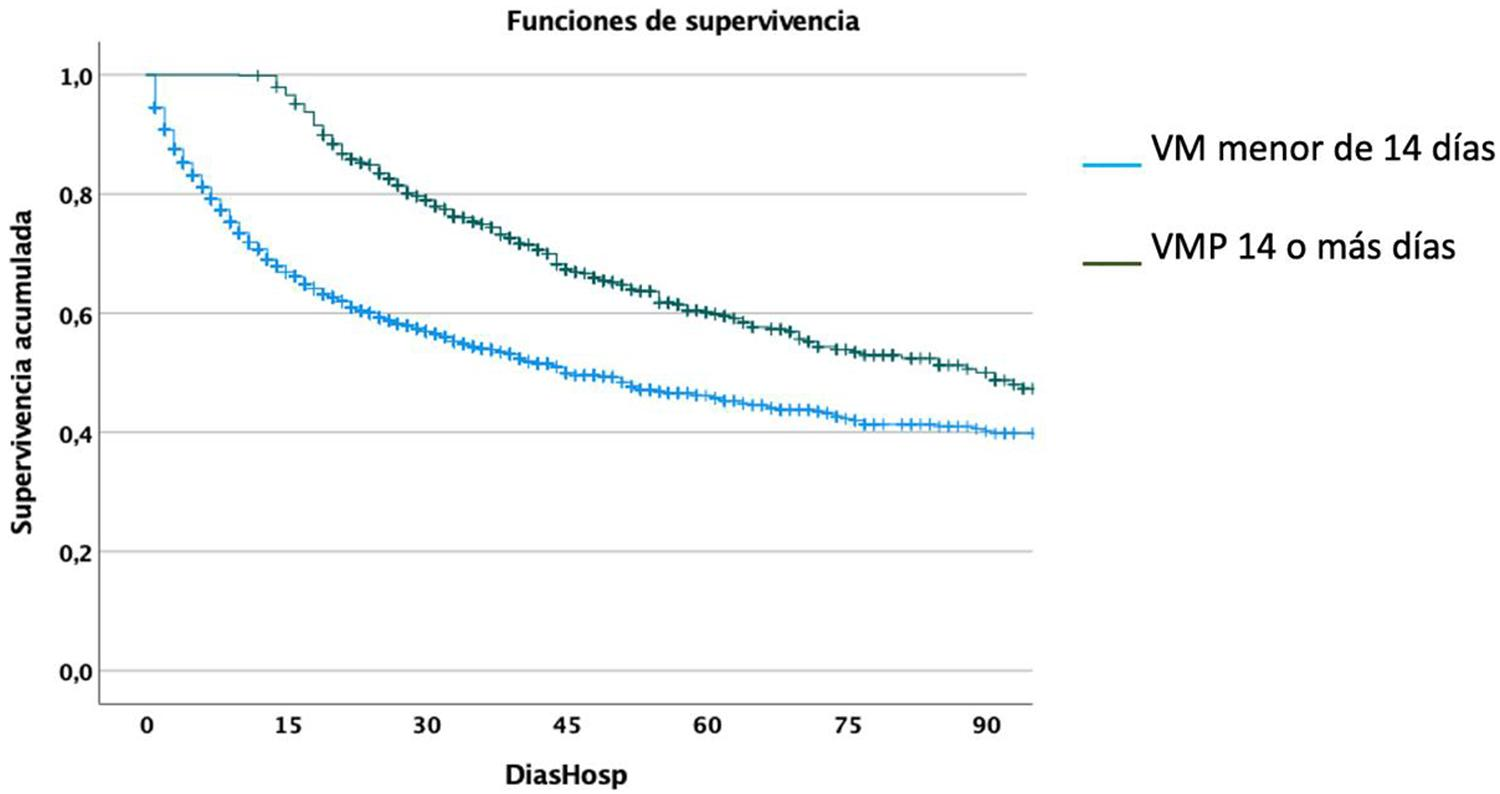
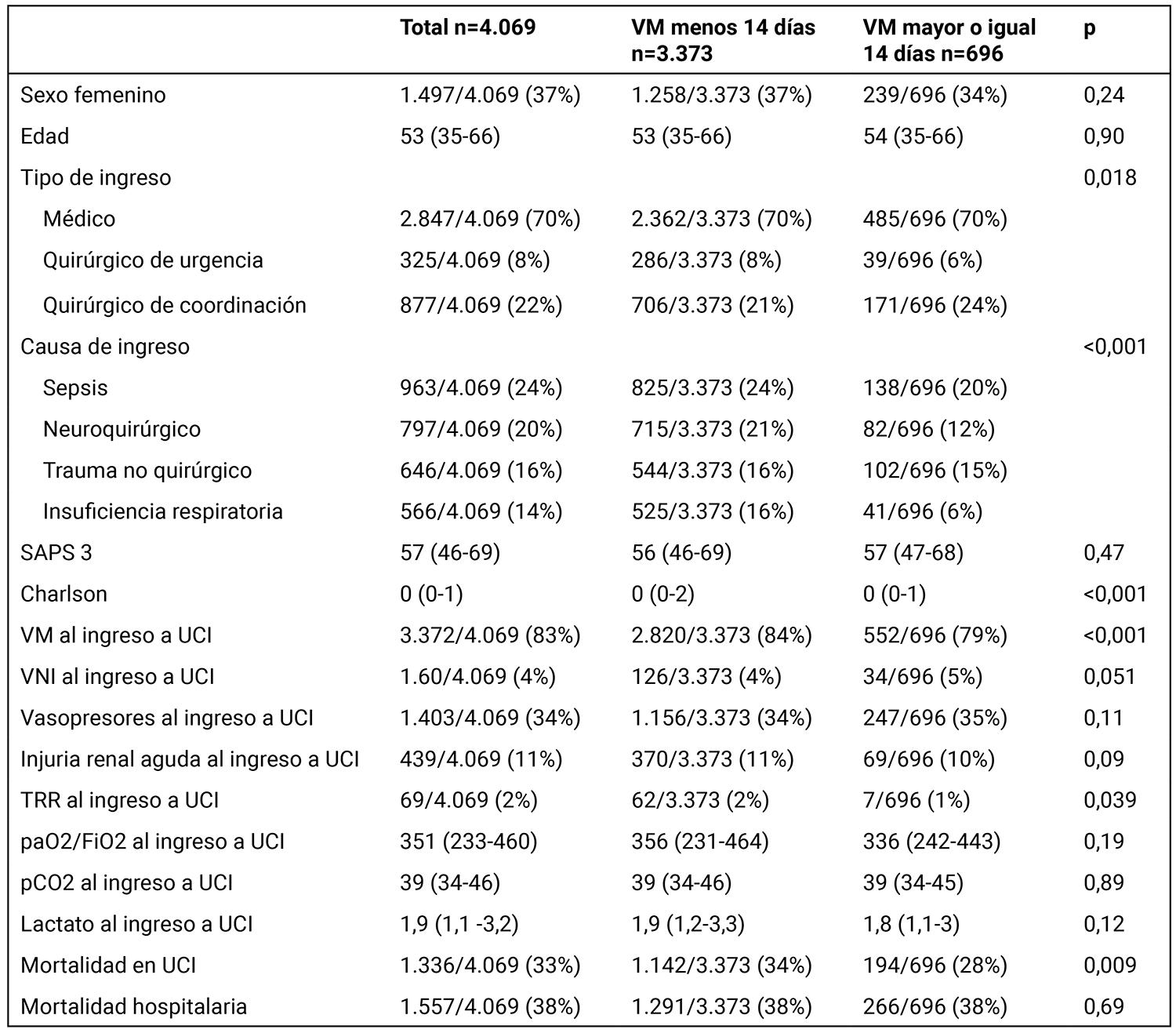
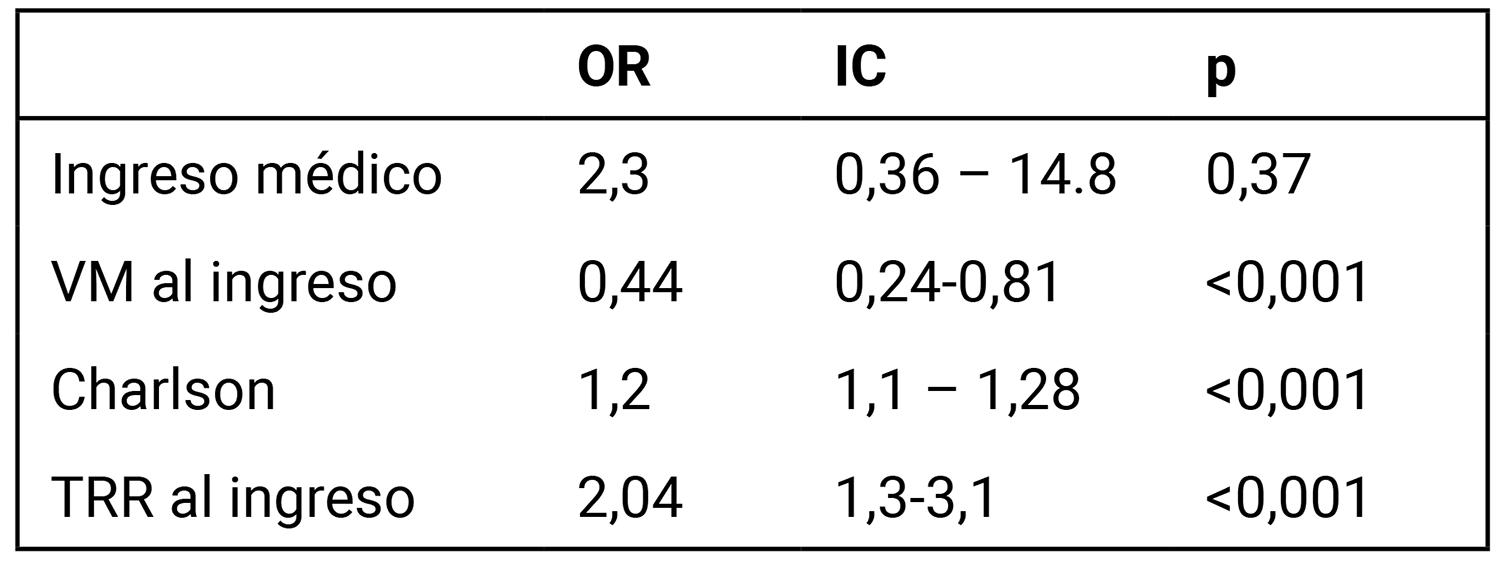
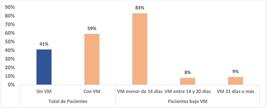
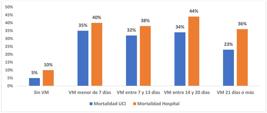
Results: Seventeen percent of patients on mechanical ventilation (MV) required PMV. Patients with PMV had lower ICU mortality and similar hospital mortality compared to patients without PMV. MV at admission, a higher Charlson score, and the need for respiratory therapy at admission were associated with PMV.
Conclusions: PMV presents a high frequency, representing 17% of patients subjected to MV. We identified three risk factors for reaching the condition of PMV. Hospital mortality is similar in patients without PMV and in those with PMV.
Keywords:
Mechanical ventilation; Critical illness; Risk factors; Mortality
 Thumbnail
 Thumbnail
 Thumbnail
 Thumbnail
 Thumbnail