Evaluation of the impact of educational interventions on the detection and diagnosis of delirium in an intensive care unit
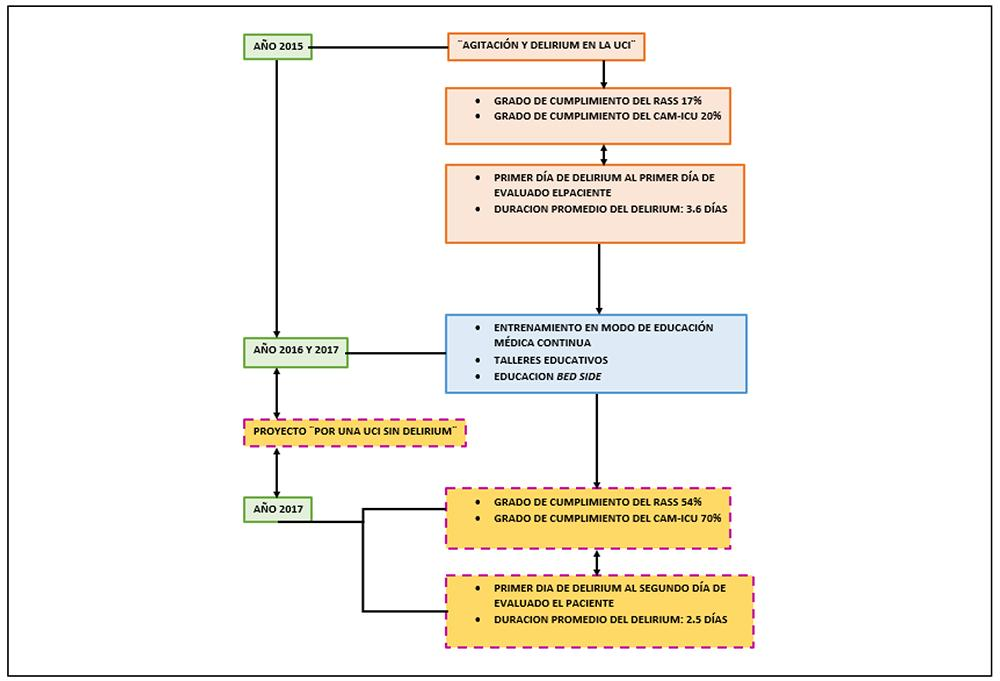
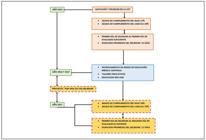
Introduction: In Uruguay, the Richmond Agitation Sedation Scale (RASS) and the Confusion Assessment Method for the Intensive Care Unit (CAM-ICU) are not part of routine clinical practice. In 2015, a study conducted in the intensive care unit (ICU) at Hospital Pasteur reported an 80% incidence of delirium in patients undergoing invasive mechanical ventilation (IMV), along with limited use of the RASS and CAM-ICU tools. In response, the “For a Delirium-Free ICU” program was launched in 2016 to train healthcare professionals through educational interventions. This study, conducted in 2017, aimed to evaluate the impact of the training program.
Objectives: The primary objective of the study was to assess the improvement in the application of the RASS and CAM-ICU tools after the implementation of the educational program. Additionally, the study sought to analyze the incidence of delirium, identify its risk factors, evaluate its relationship with hospital length of stay and mortality, and compare the 2017 delirium incidence with the 2015 results.
Methods: A descriptive, prospective study was conducted on patients admitted to the ICU at Hospital Pasteur between March 1 and May 31, 2017. The use of the RASS and CAM-ICU tools was evaluated, and delirium was diagnosed using a positive CAM-ICU.
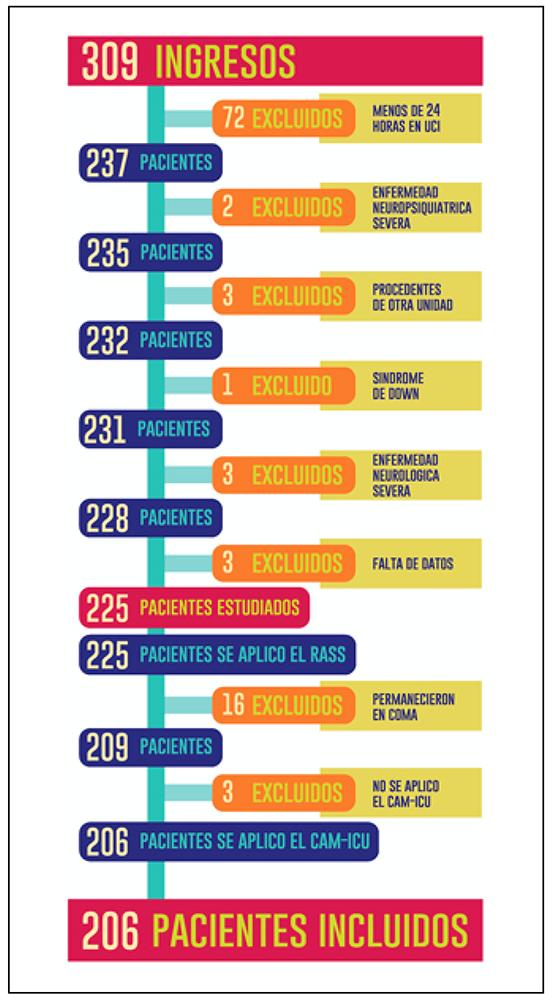
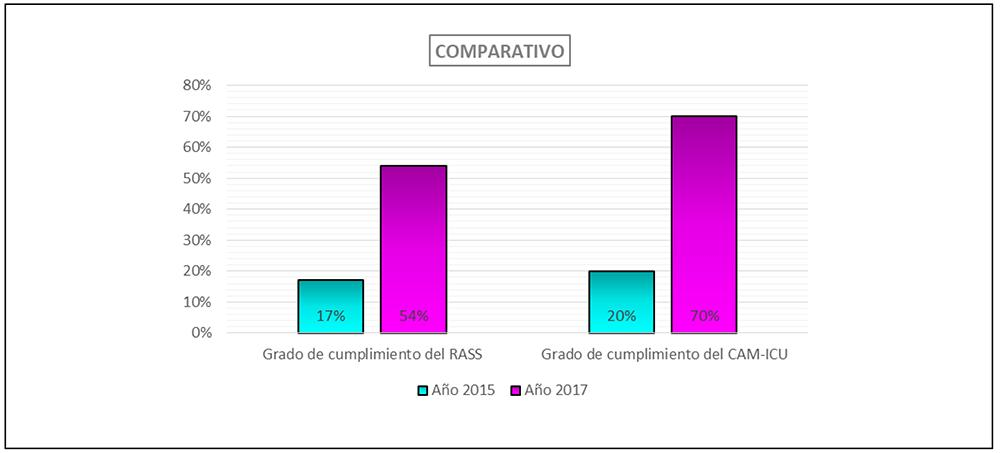
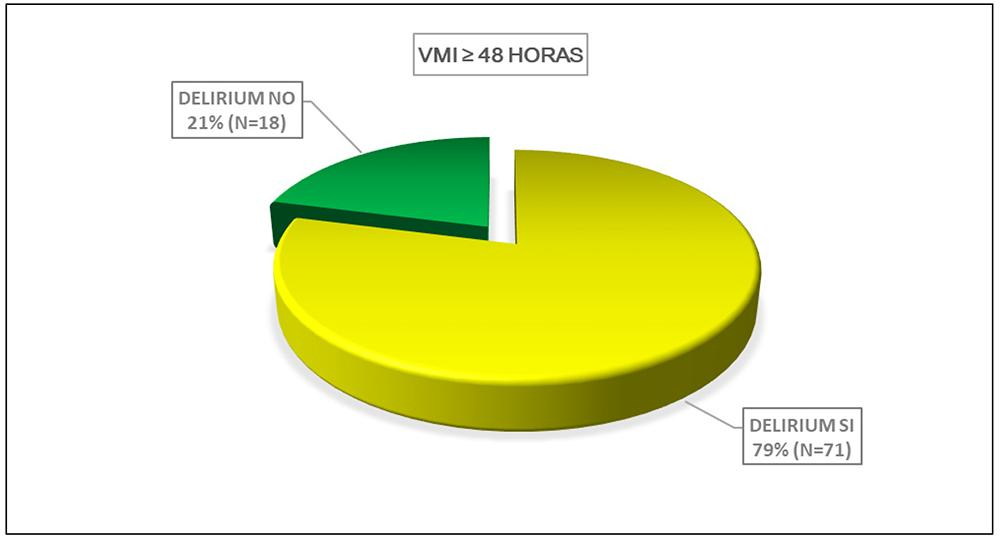
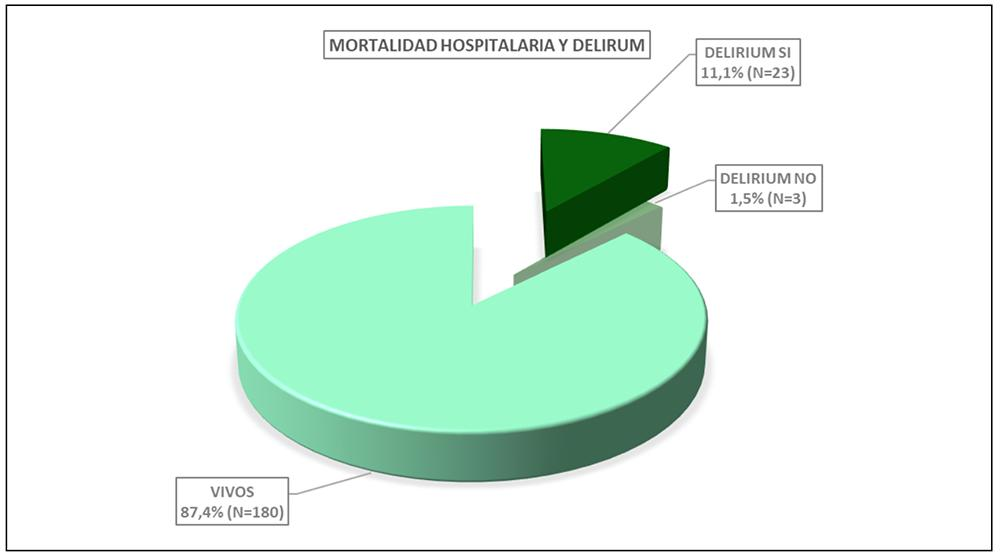
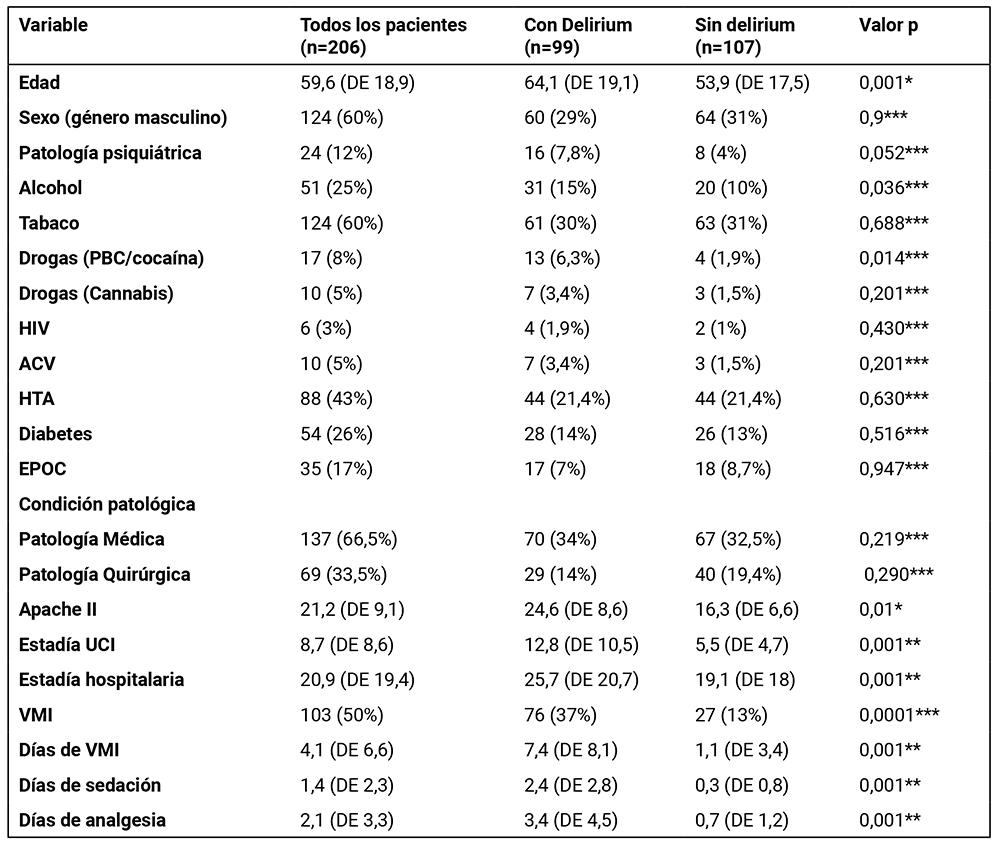
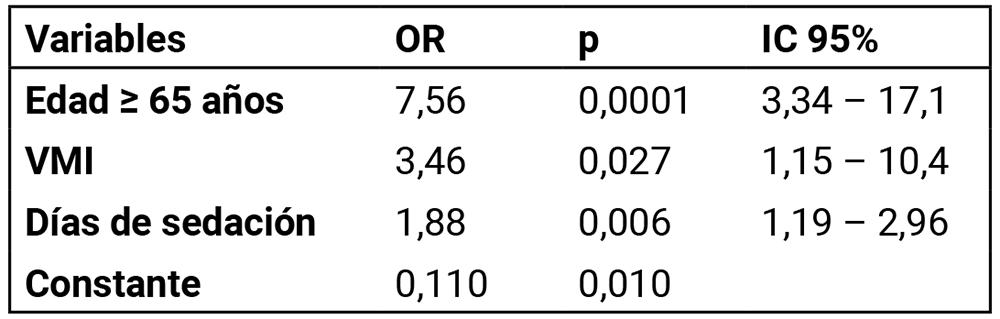
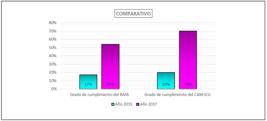
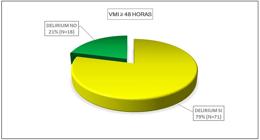
Results: The use of diagnostic tools showed significant improvement: RASS was applied to 100% of patients (225/225), and CAM-ICU was used in 91.6% (206/209). The average compliance rates were 0.54 (SD 0.3) for RASS and 0.70 (SD 0.4) for CAM-ICU. The incidence of delirium in patients with IMV was 79%. Risk factors for delirium included age ≥ 65 years (OR 7.56 [CI 3.34–17.1]), IMV (OR 3.46 [CI 1.15–10.4]), and the number of sedation days (OR 1.88 [CI 1.19–2.96]).
Conclusions: The training program significantly increased the use of the RASS and CAM-ICU diagnostic tools in the ICU at Hospital Pasteur. However, the high incidence of delirium remained unchanged compared to the 2015 results. These findings highlight the need to continue educating and training healthcare professionals to improve the detection and management of delirium in clinical practice.
Keywords:
Richmond agitation sedation scale; Confusion assessment method for the intensive care unit; Delirium; Intensive care unit; Invasive mechanical ventilation; Training; Educational interventions
 Thumbnail
 Thumbnail
 Thumbnail
 Thumbnail
 Thumbnail