Severe coagulopathy due to Bothrops snakebite complicated by intracranial hemorrhage: A fatal case report
Introduction: Envenomation by venomous snakes of the Bothrops genus is relatively common in Uruguay and can cause a consumption coagulopathy that may lead to severe bleeding. Treatment requires the early administration of antivenom (AV). No deaths have been recorded since the 1980s. We report a case of fatal intracranial hemorrhage following a Bothrops bite.
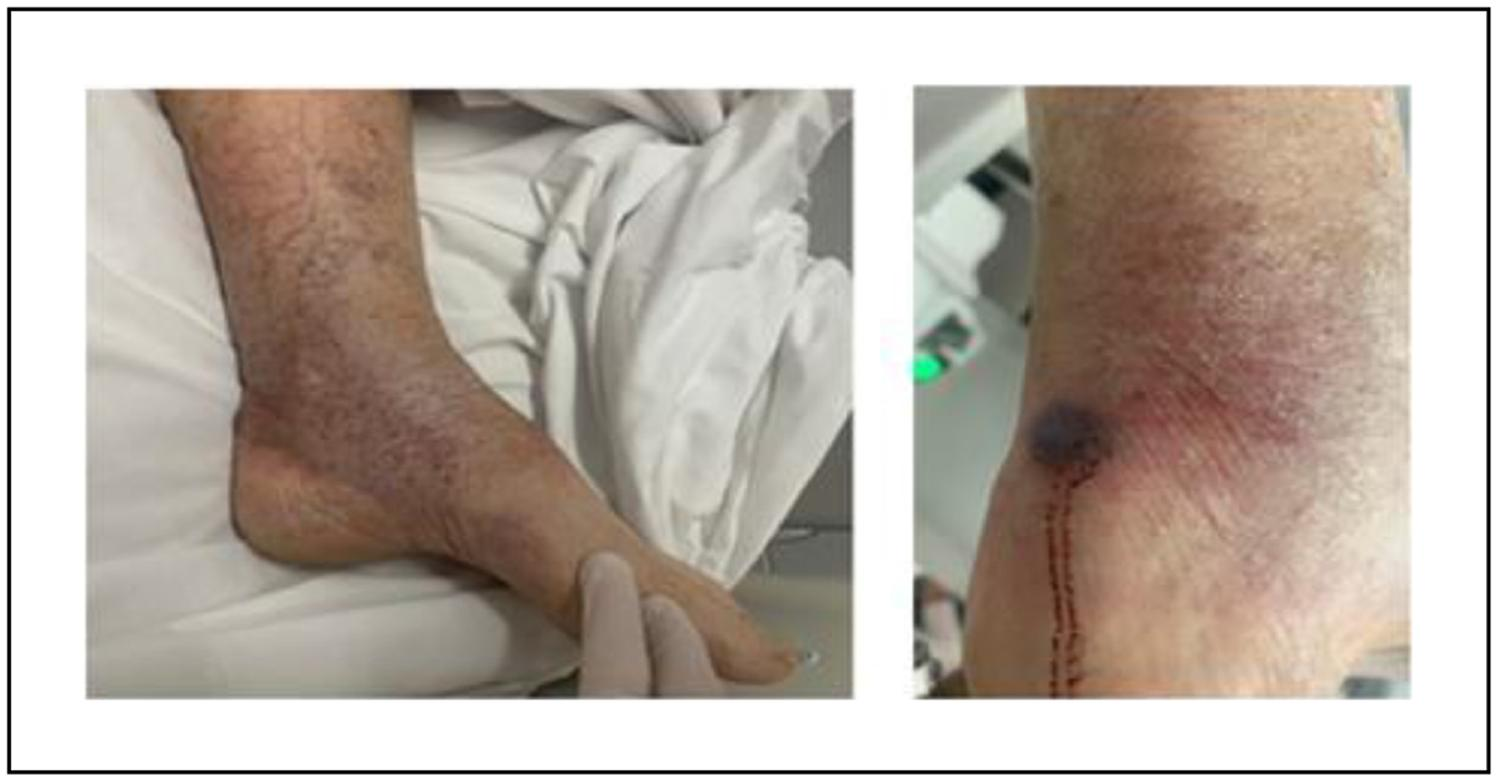
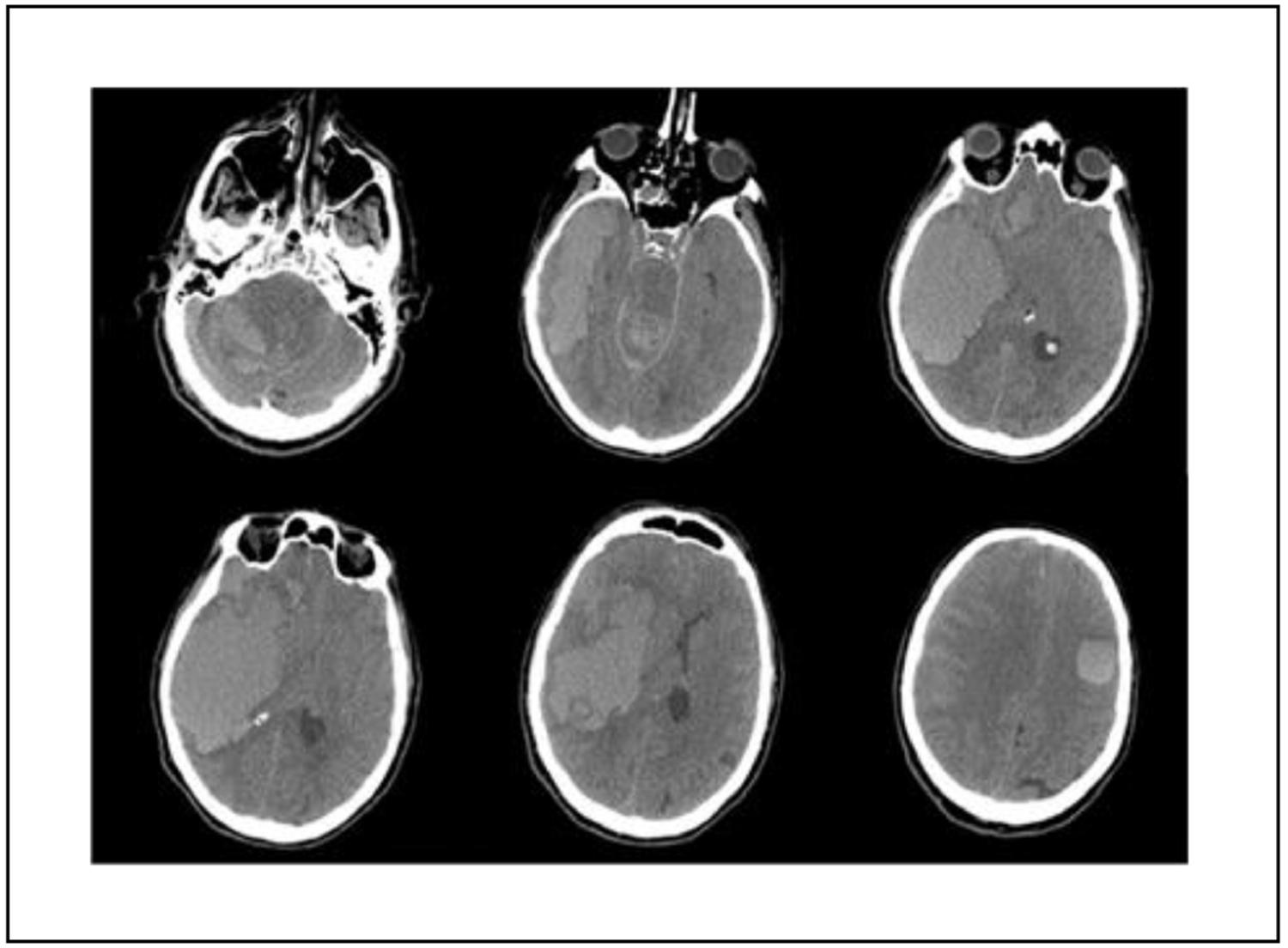
Clinical case: An 84-year-old man. At night, in a suburban area (seaside resort), he suffered a bite to the left lower limb in the posterior region of the leg; the animal was not identified. He sought medical care twice within less than two hours after a suspected snakebite, presenting with edema and local pain, and was discharged. Twelve hours later he returned due to vomiting, and the patient was found to be in a coma. Two puncture marks were observed in the posterior region of the left leg. Airway bleeding and hematuria were noted. Brain CT scan showed parenchymal, subarachnoid, and intraventricular hemorrhage, right temporal herniation, and brainstem compromise. Incoagulable blood. Serum creatinine 1.6 mg/dL. Neurosurgery and antivenom administration were ruled out. The patient died within 5 hours after consultation with the Toxicology Information and Advisory Center (CIAT) and approximately 24 hours after the accident.
Discussion: This represents the first fatal case reported in Uruguay after 36 years. The low mortality rate is attributed to early consultation with the Toxicology Information and Advisory Center (CIAT), rapid access to antivenom, and ongoing education and prevention strategies within the healthcare sector.
Keywords:
Snake bite; Bothrops; Hemorrhage; Coagulopathy; Antivenom serum; Ophidism complication
 Thumbnail
 Thumbnail