New paradigms: 12 years of systemic thrombolysis. Stroke Unit, Clinicas Hospital
Introduction: Strokes are a health problem and systemic thrombolysis constitutes a reperfusion strategy backed up by significant evidence on its positive therapeutic impact. National reports on its use are scarce.
Objectives: To report and analyze results obtained with this therapeutic approach at the Clinicas Hospital. To establish predictive factors for a good evolution, intracranial hemorrhage and mortality.
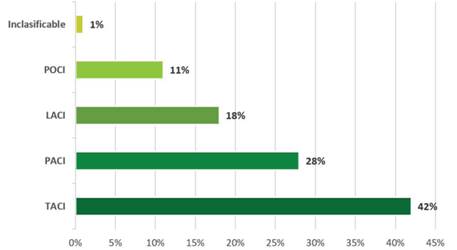
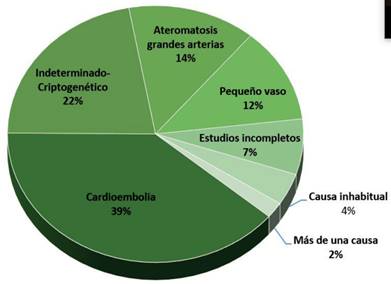
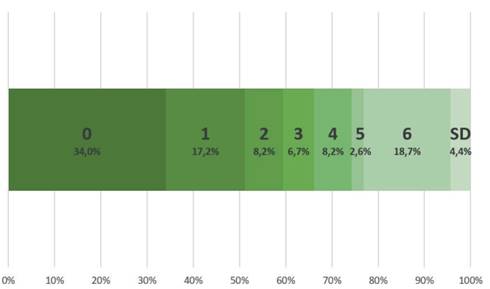
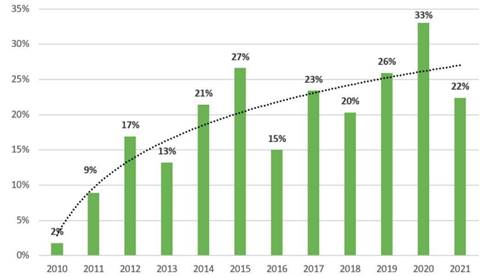
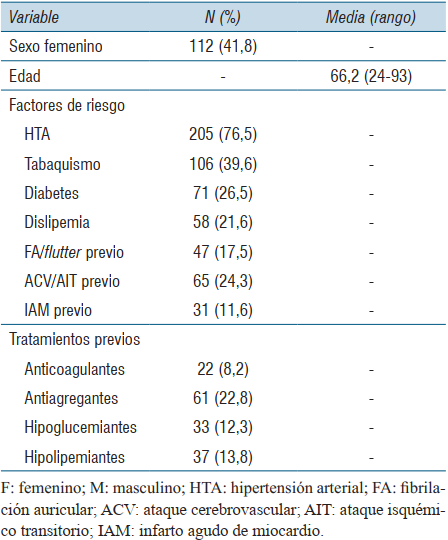
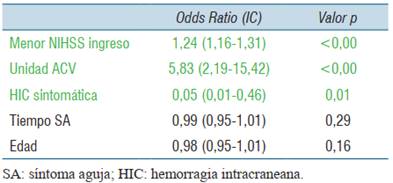
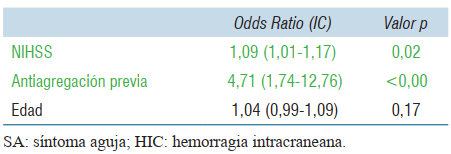
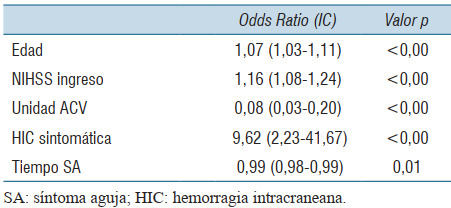
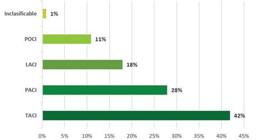
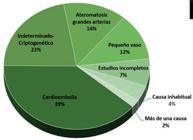
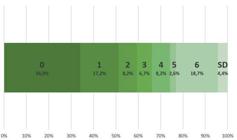
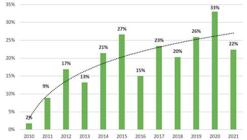
Method: Observational, analytical study of thrombolysed patients at Clinicas Hospital (2010-2021). Results: Systemic thrombolysis was performed in 268 patients. Average NIHSS score was 12 points when admitted to hospital.42 % of cases were total anterior circulation infarct (TACI). Cardioembolic ischaemmic stroke was the most frequent etiopahogenesis. 59.3% of patients were discharged with functional independence and 55.2% had minimal neurologic deficit. Symptomatic intracranial hemorrhage and mortality rates were 7.1% and 18.7% respectively. 57% of patients were assisted within ≤60 minutes they showed up at the ER. Thrombolysis percentage in total number of strokes was 18.9%. Age, NIHSS score upon arrival to hospital and admission to the stroke unit were significant variables to predict a good evolution, intracranial hemorrhage and death.
Discussion and conclusions: The large number of cases in the country was reported. Effectiveness and safety parameters for this treatment were comparable to those reported internationally. The good door-to-needle time and thrombolysis rate versus total number of strokes stood out as satisfactory indicators of healthcare quality. Admission to the stroke unit behaved as a predictive factor of functional independence and it protected patients from hospital mortality.
Key words:
Stroke; Cerebral infarction; Systemic thrombolysis; Intravenous thrombolysis; Intracranial hemorrhage; Stroke Units; Mortality
 Thumbnail
 Thumbnail
 Thumbnail
 Thumbnail