Assessment methods for palliative care needs in critically ill patients
Introduction: a palliative approach is essential for comprehensive, high-quality care in the Intensive Care Unit (ICU). The use of futile treatments and interventions misaligned with patient or family preferences has increased significantly during the last 30 days of life.
Objectives To identify patients with palliative care needs in an ICU, describe their epidemiological characteristics, and evaluate their outcomes at ICU discharge and one year after hospital discharge.
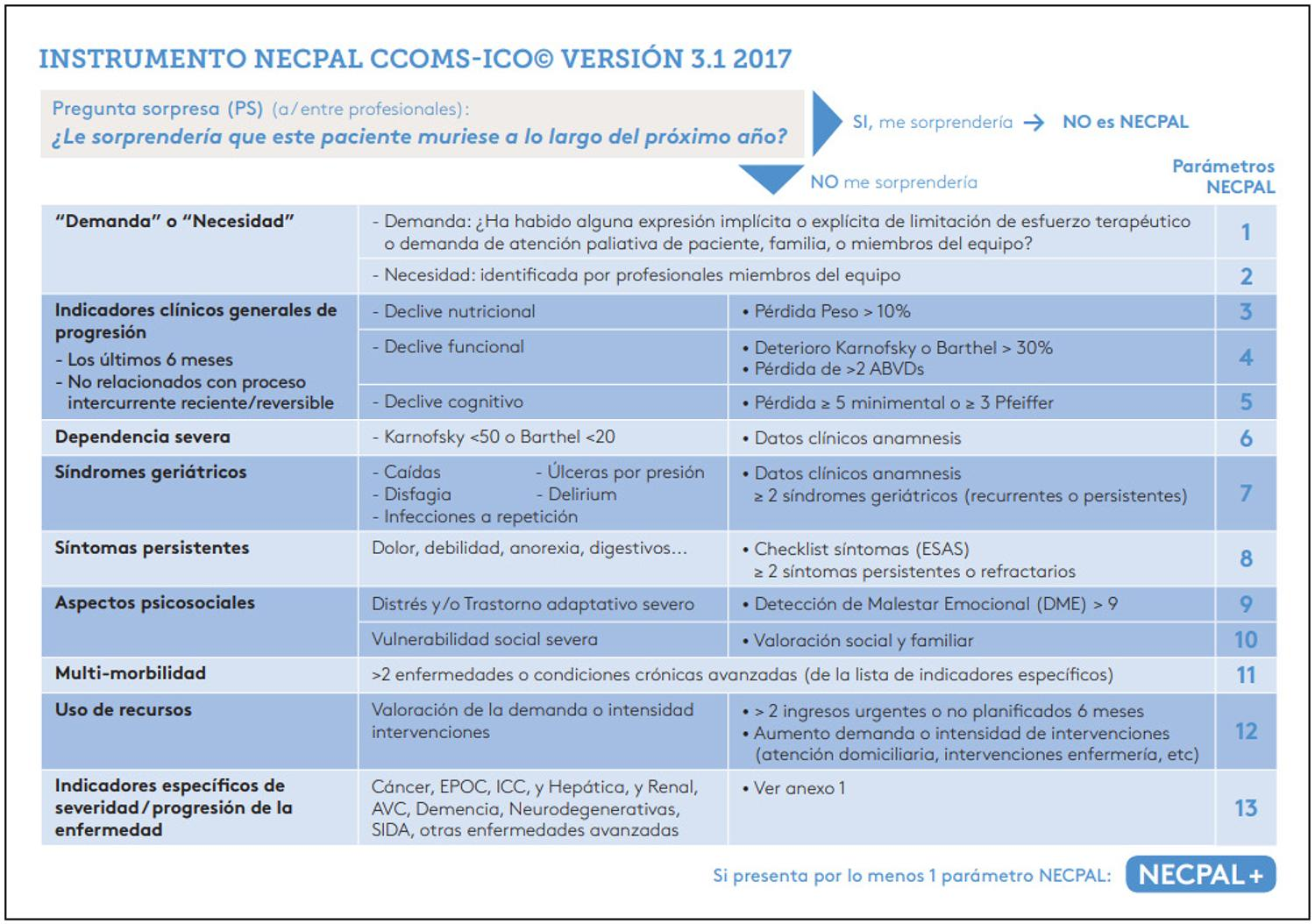
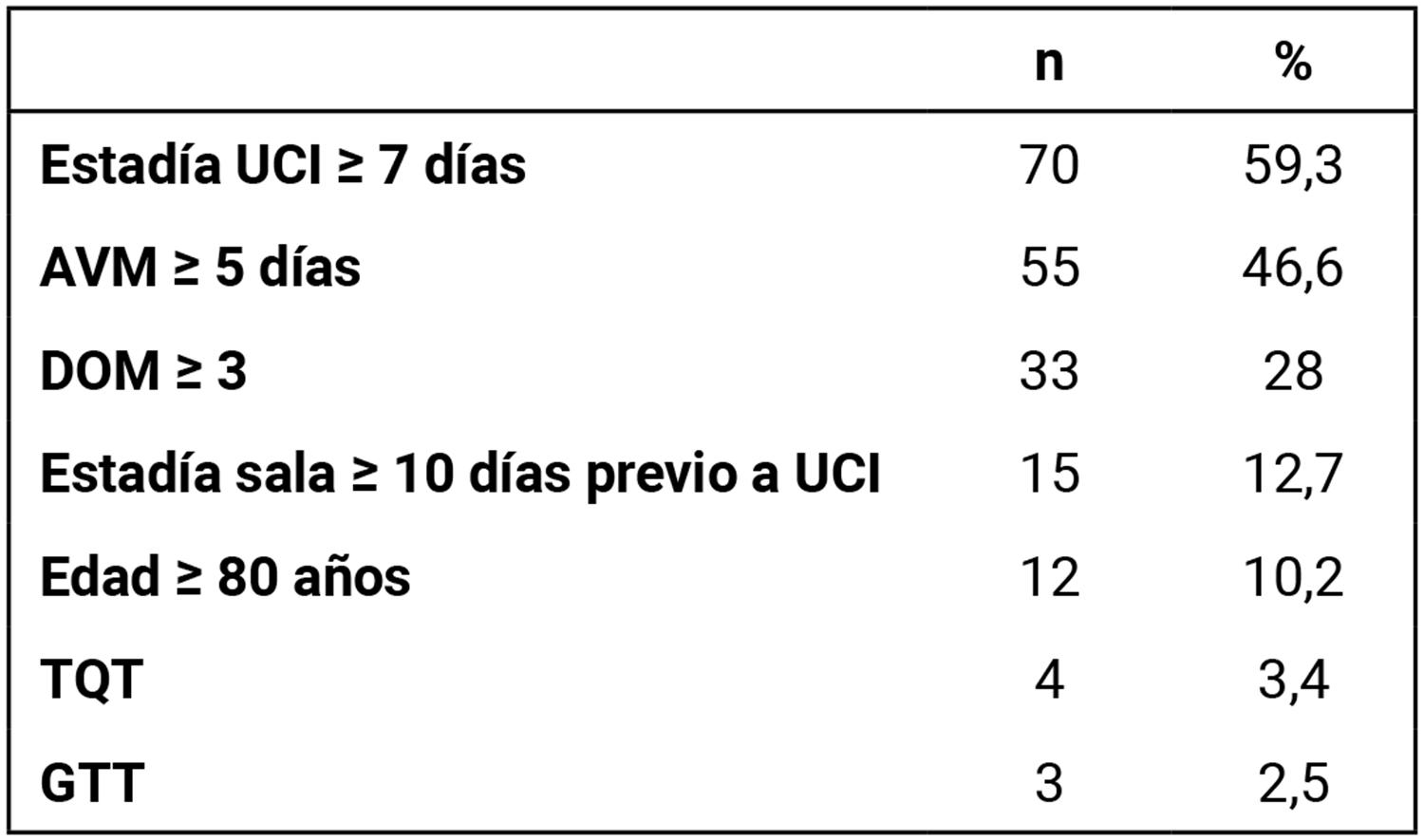
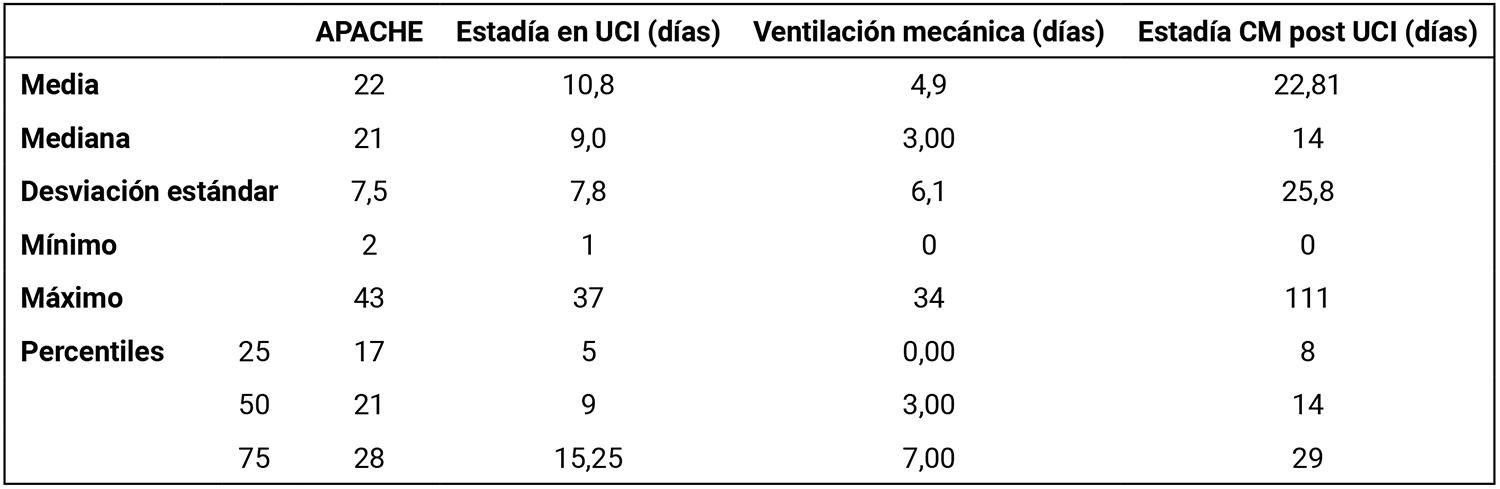
Methods: a prospective, descriptive, longitudinal study was conducted in an adult general ICU over a three-month period. Two assessment tools were used: (1) clinical triggers such as invasive mechanical ventilation (IMV) > 5 days, ICU stay > 7 days, and multiorgan dysfunction (MOD) > 3, among others; and (2) the NecPal tool (Palliative Care Needs), CCOMS-ICO version 3.1 (2017). Follow-up was conducted by telephone up to one year after hospital discharge. Statistical analysis was performed on qualitative and quantitative variables, with statistical significance set at p < 0.05.
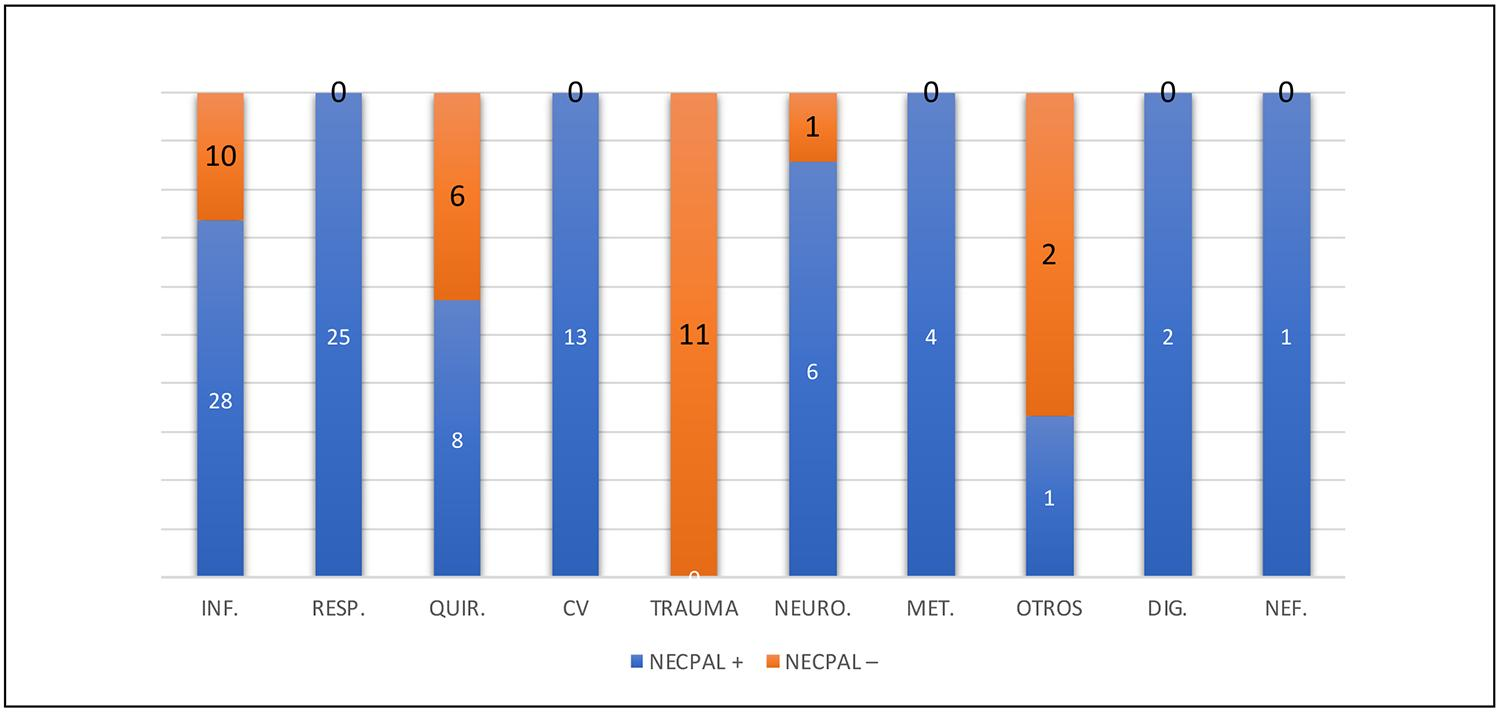
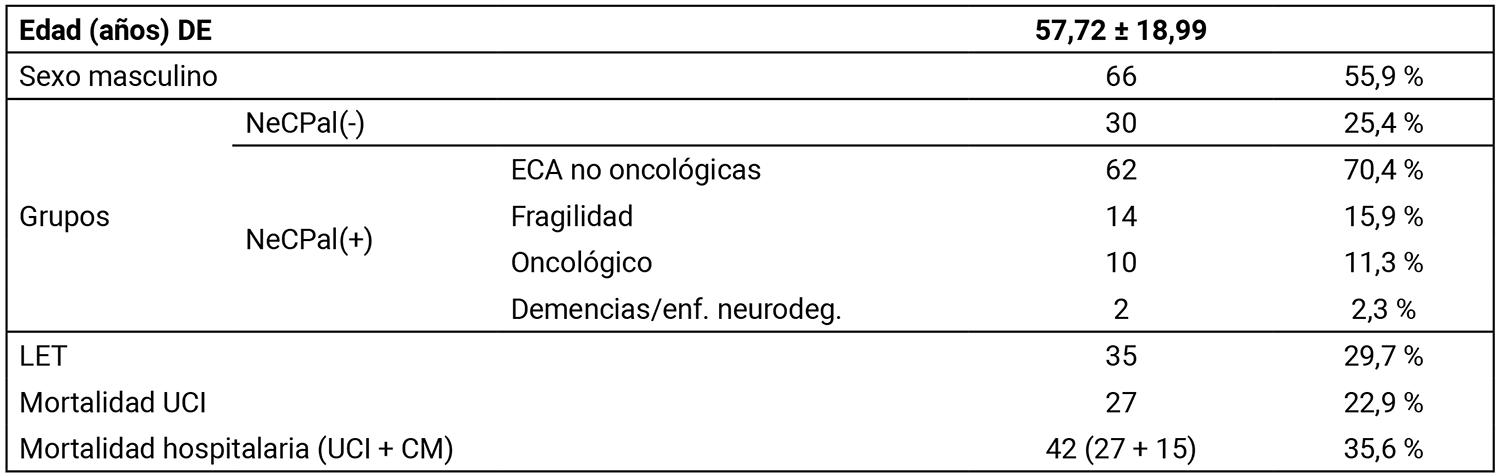
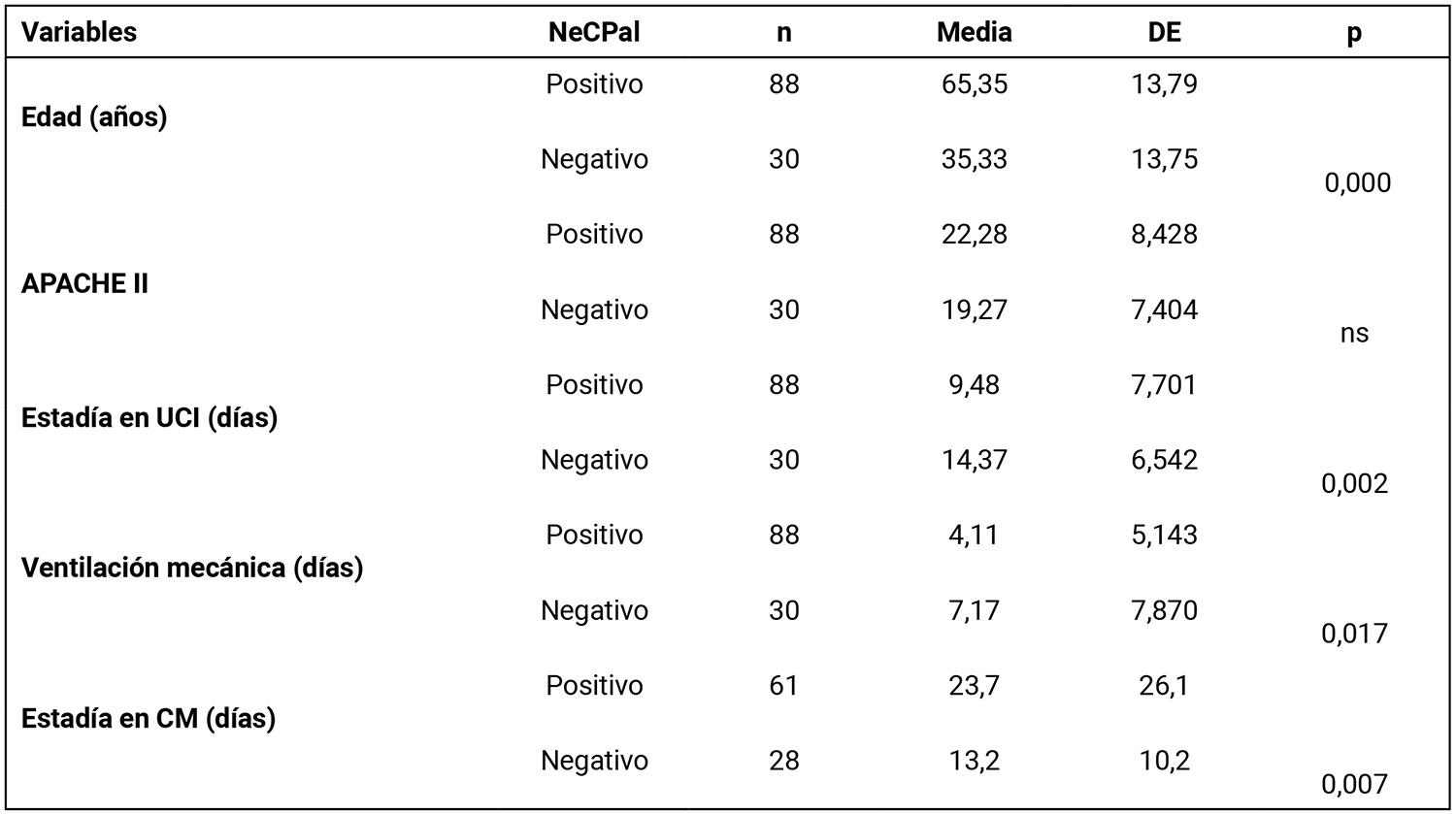
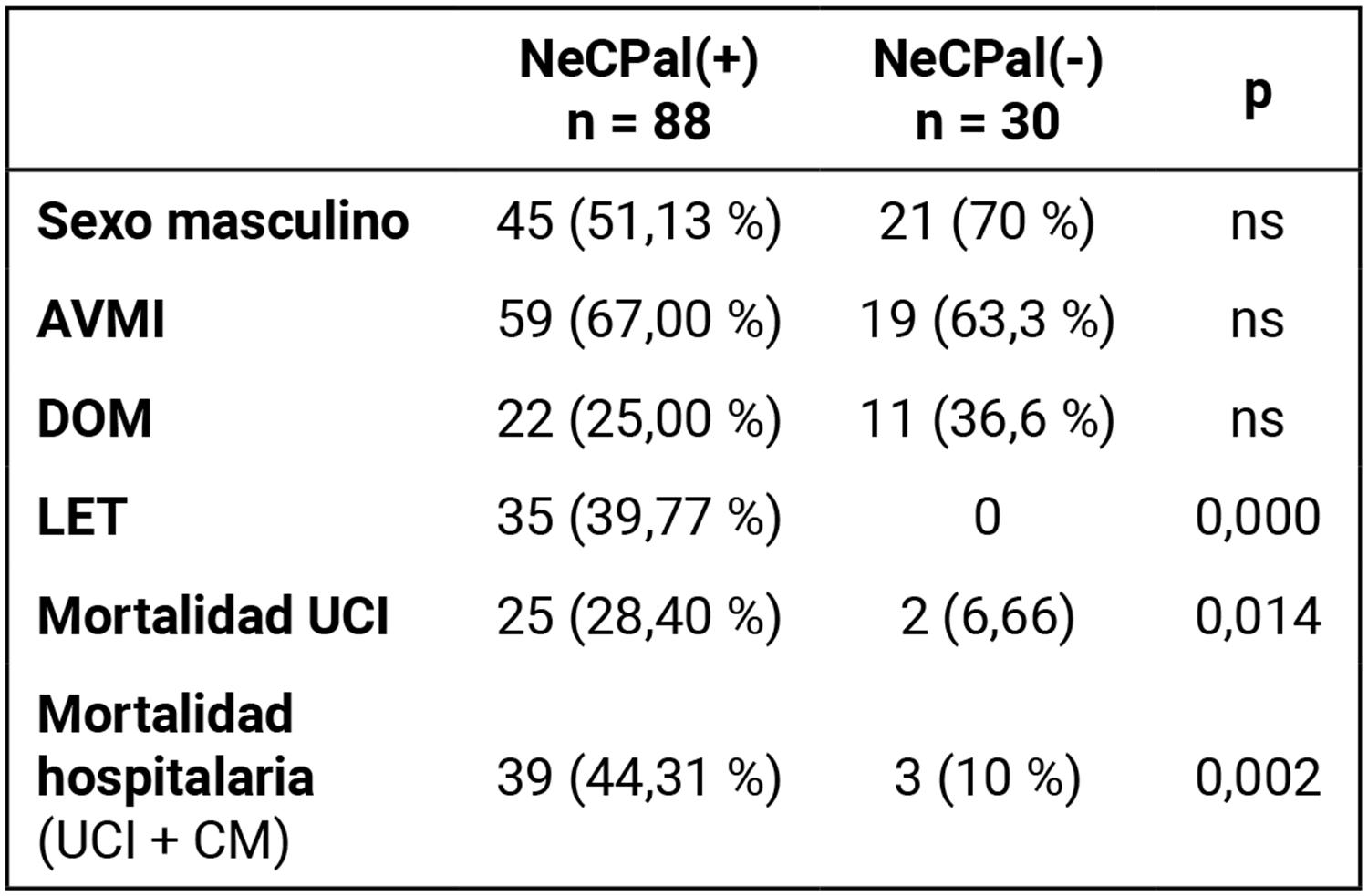
Results: a total of 273 patients were admitted, of whom 118 were identified as having palliative care needs using both tools. At discharge, 88 patients (74.5%) remained NecPal-positive, while 30 (25.4%) were classified as NecPal-negative. When comparing both groups (NecPal [+] vs. [−]), no significant differences were found in APACHE II scores, use of IMV, or presence of MOD. However, the NecPal (+) group was older (65 vs. 35 years; p = 0.00), had longer stays in intermediate care (23.7 vs. 13.2 days; p < 0.007), a higher frequency of treatment limitation decisions (40% vs. 0%; p = 0.00), and higher ICU mortality (28% vs. 7%; p = 0.001) and in-hospital mortality (44% vs. 10%; p = 0.002). One-year mortality among survivors was 39%, with a high readmission rate.
Conclusions: One in three patients presented palliative care needs. The use of clinical triggers and the NecPal tool allowed for early and appropriate identification. These patients were characterized by older age, prolonged hospital stays, high resource utilization, and elevated in-hospital and one-year mortality.
Keywords:
Critically ill patient; Palliative care needs; NeCPal; ICU
 Thumbnail
 Thumbnail