Clinical and epidemiological characterization of open abdomen patients admitted to intensive care
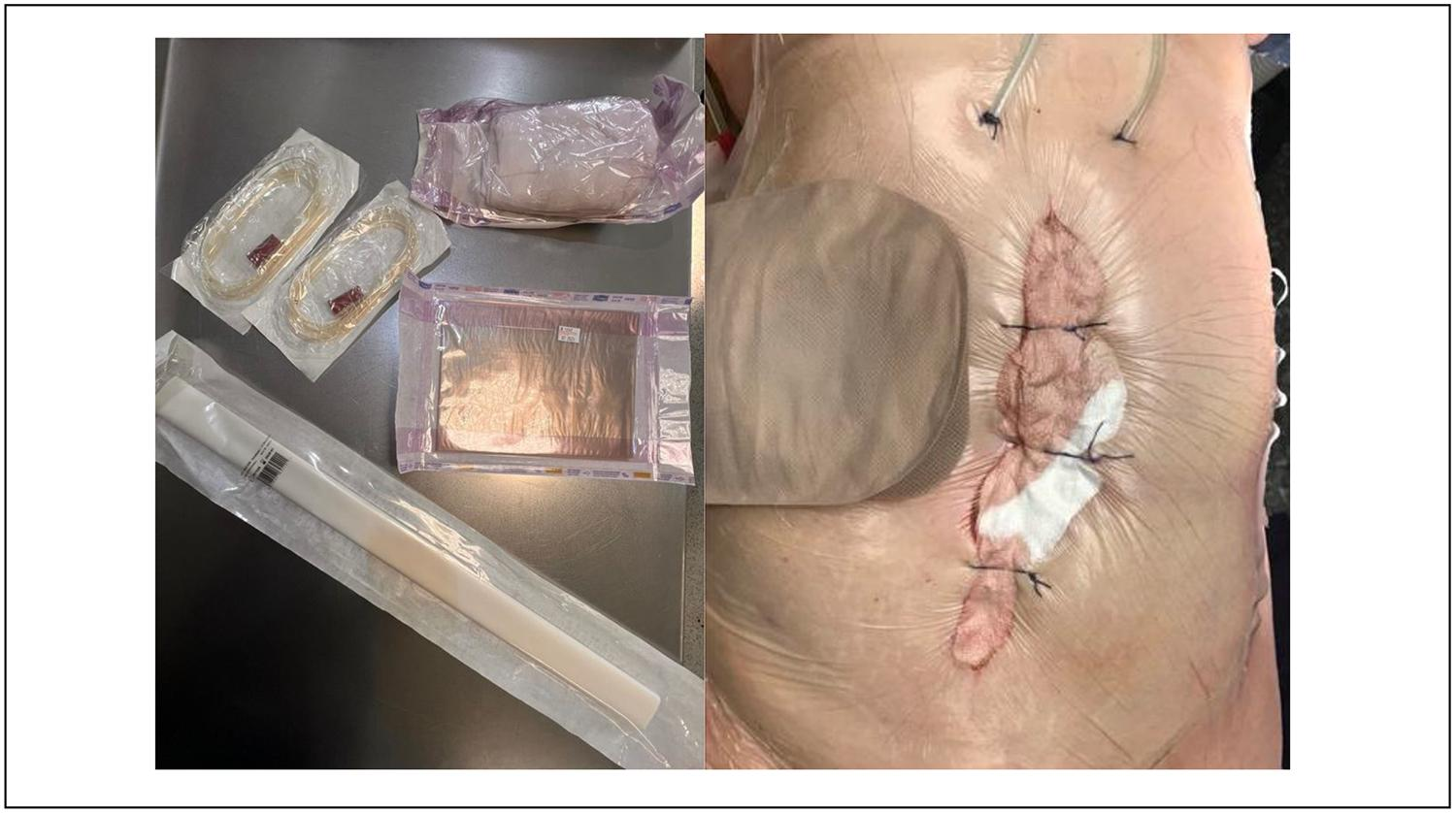
Introduction: Open abdomen is a surgical strategy used in critically ill patients, especially in cases of abdominal sepsis, and in trauma as part of damage control surgery.
Objectives: To characterize the epidemiological profile and clinical outcomes of open abdomen patients in intensive care.
Materials and Methods: Observational, retrospective, descriptive study conducted in the intensive care unit of Hospital Maciel. Patients with open abdomen admitted between August 2016 and December 2024 were included.
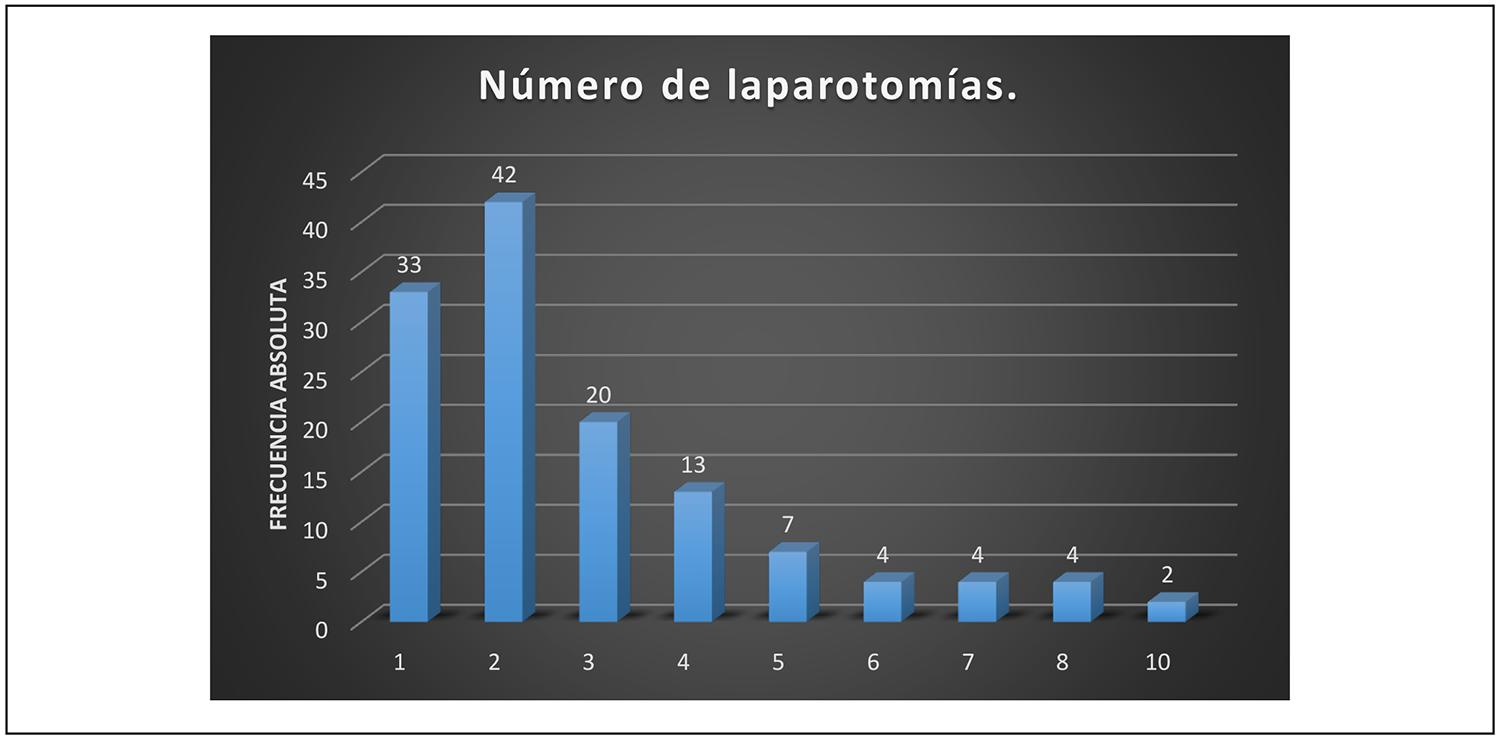
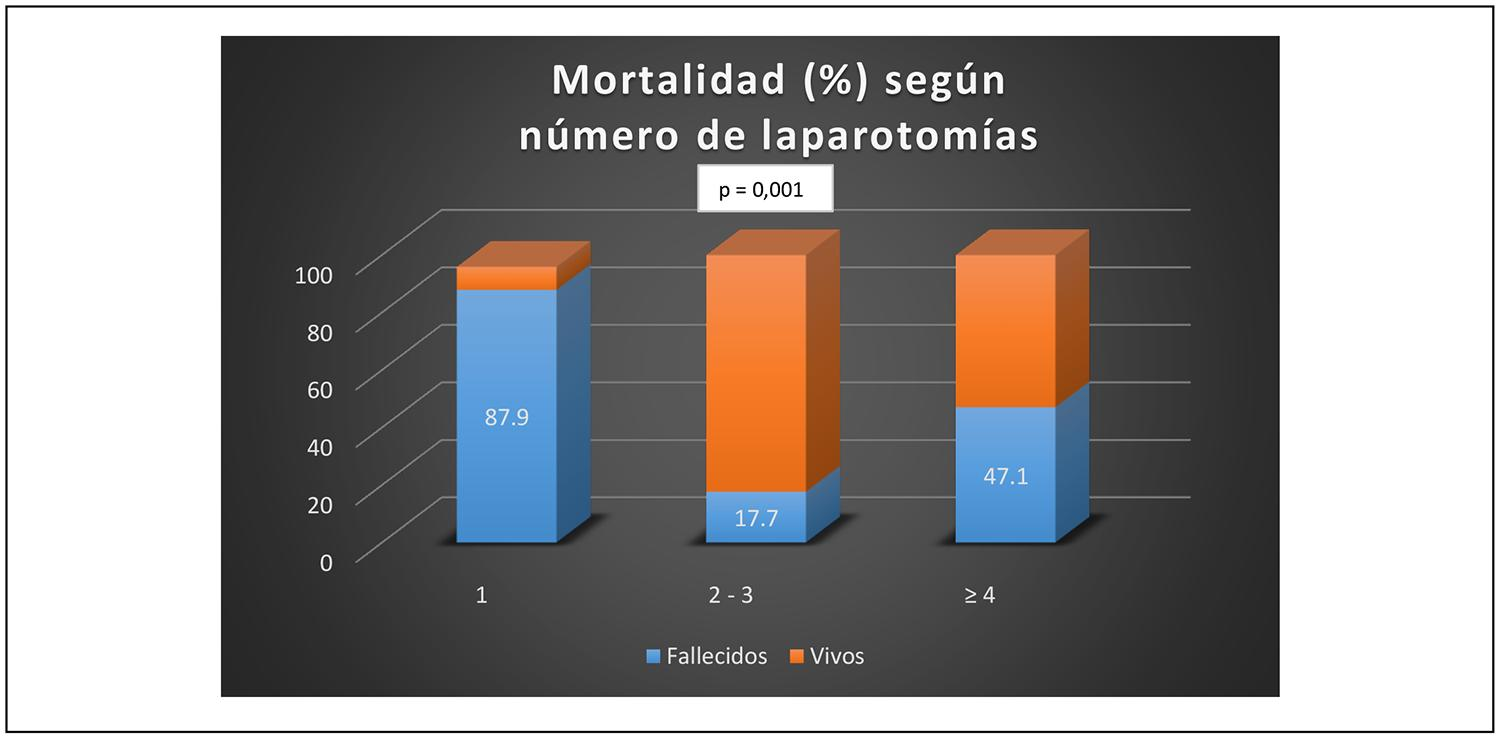
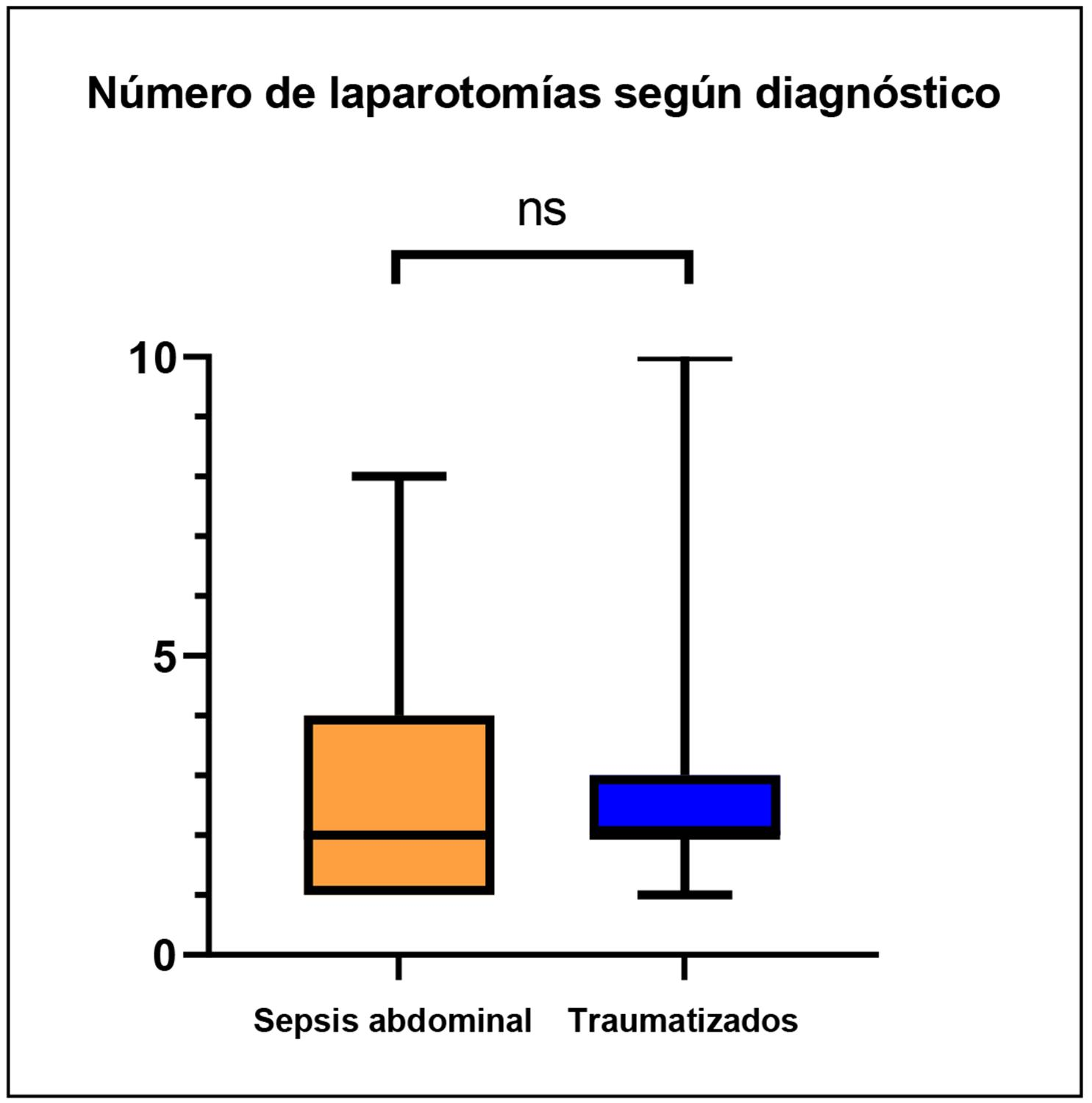
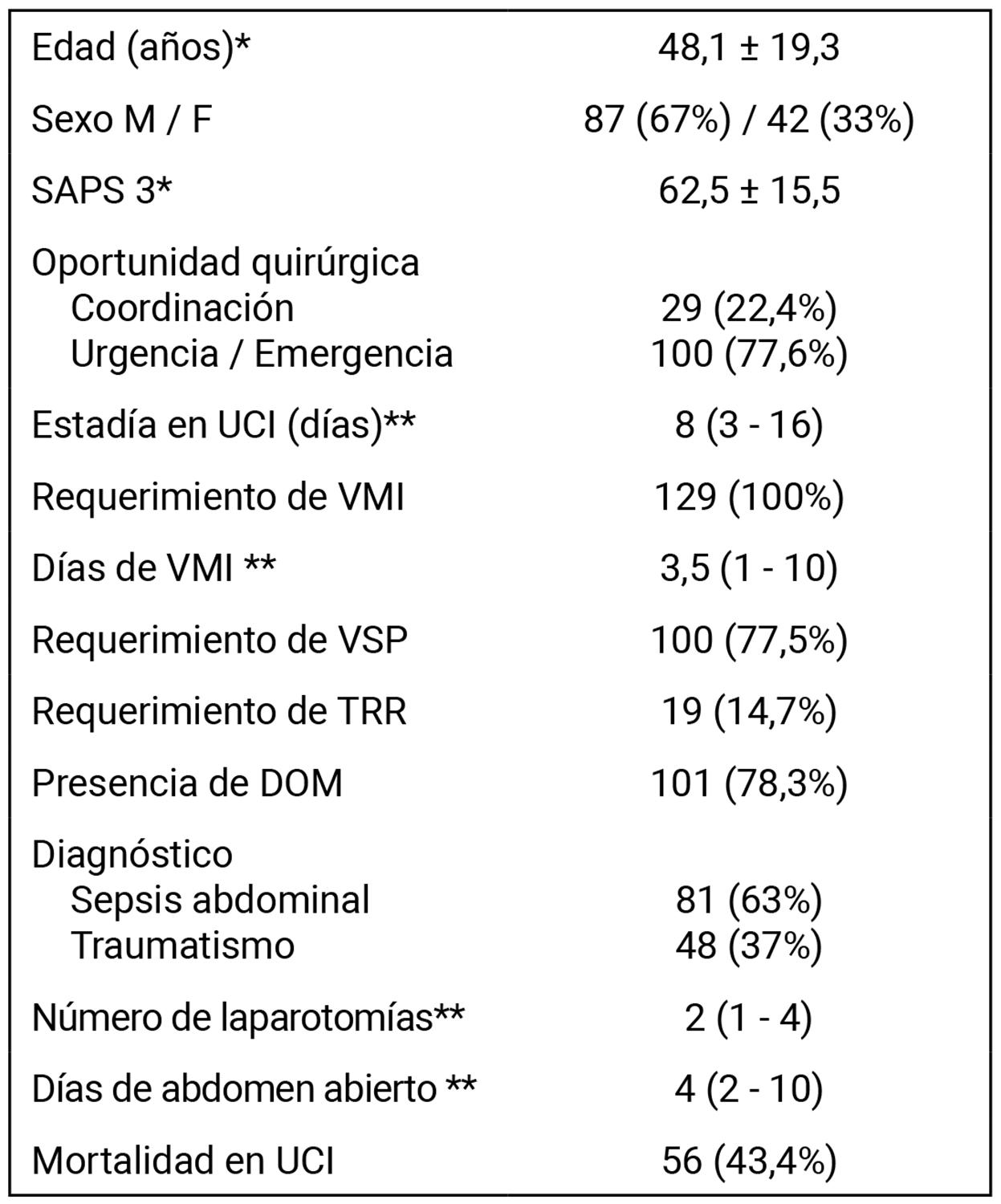
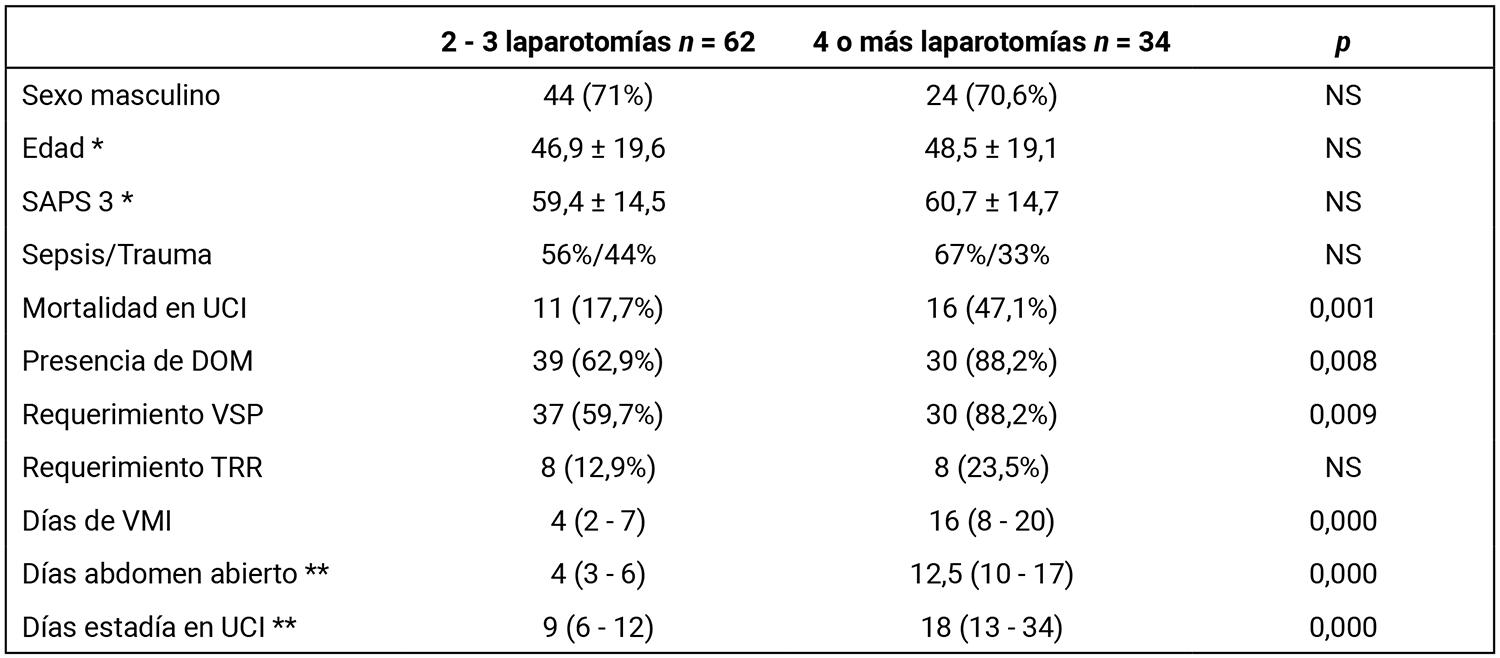
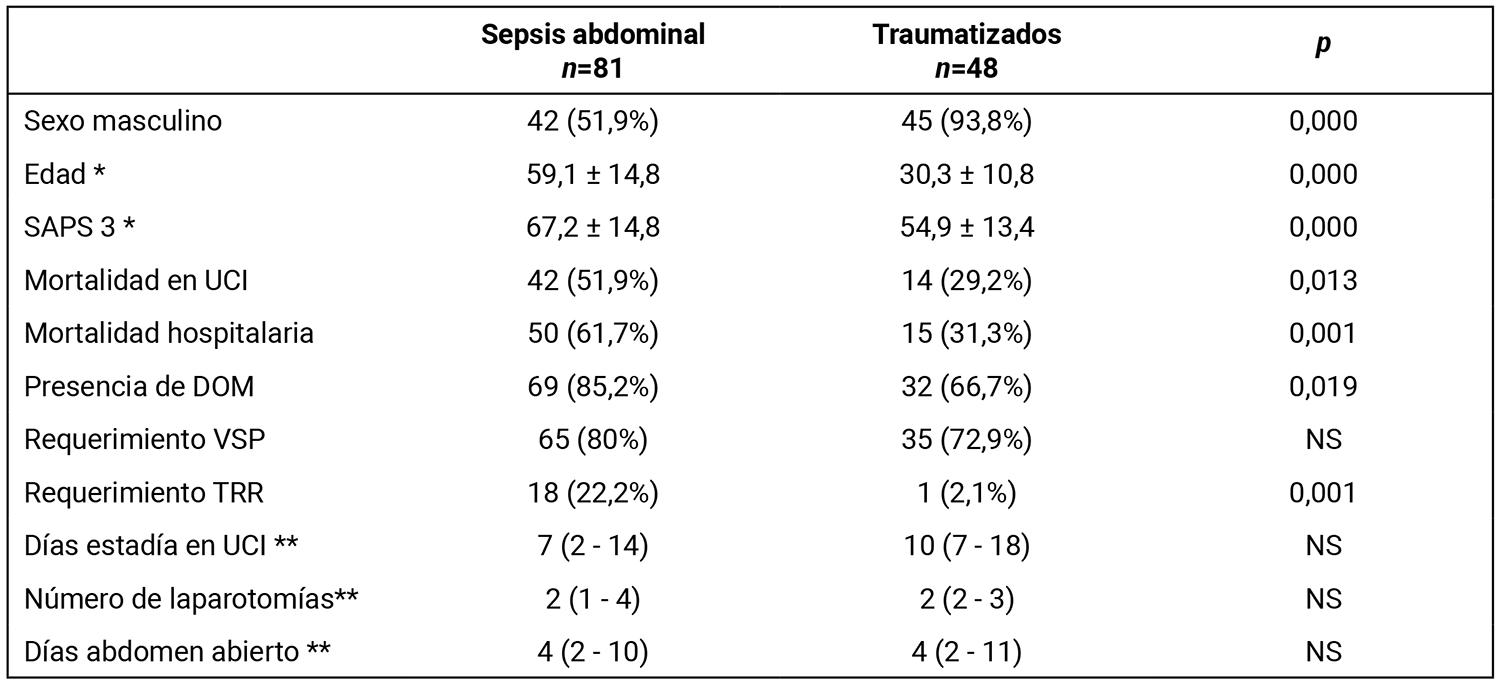
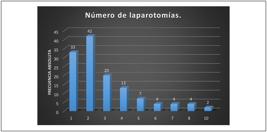
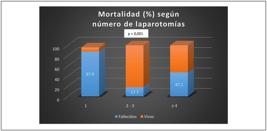
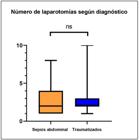
Results: A total of 129 patients were included; 67% were male, mean age 48.1 ± 19.3 years, median length of stay 8 days (interquartile range 3–16). All patients required mechanical ventilation, and 78.3% presented multiorgan dysfunction. ICU mortality was 43.4%, and hospital mortality 50.4%. The main etiologies were abdominal sepsis (63%) and trauma (37%). ICU mortality was significantly higher in septic patients than in trauma patients (51.9% vs 29.2%; p = 0.01). The median number of laparotomies was 2 (1–4), and the number of laparotomies was significantly associated with mortality: 1 laparotomy 87.9%, 2–3 laparotomies 17.7%, and more than 4 laparotomies 47.1% (p = 0.001).
Conclusions: The open abdomen surgical strategy is frequently applied in critically ill patients with abdominal pathology, especially in septic patients with unresolved infectious focus and in severely traumatized patients as part of damage control surgery. Most patients require between 2 and 4 laparotomies. Trauma patients are predominantly young and male. Mortality is extremely high, particularly in septic patients.
Keywords:
Open abdomen technique; Abdominal sepsis; Abdominal trauma; Damage control surgery; Intensive care
 Thumbnail
 Thumbnail
 Thumbnail
 Thumbnail