Inclusion of advanced cardiopulmonary resuscitation in curricular education of medical doctors in Uruguay. First experience in the Rotating Internship between 2017-2018. School of Medicine, University of Uruguay. Communication and Evaluation
In 2017 the School of Medicine of the University of the Republic included advanced cardiopulmonary resuscitation as a mandatory curricular activity during the rotating internship. The decision is justified by morbility and mortality rates of heart disease, in particular cardiopulmonary arrests and sudden death. Resuscitation courses enable the acquisition of technical and non- technical skills to respond to a prevalent condition and to compensate the absence of this specific training in the training of medical doctors.
The study aimed to communicate and evaluate the first experience during the 2017-2018 rotating internship.
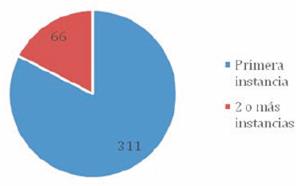
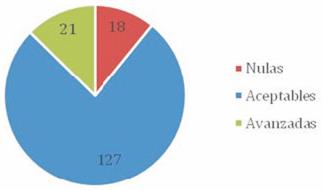
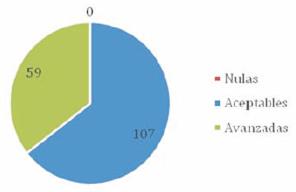
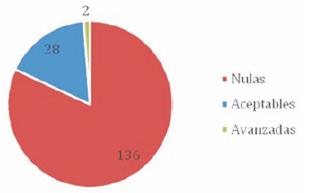
A transversal study was conducted to analyse the number of participants and the percentage of successful candidates. Likewise, a survey was designed to assess self-perception of skills prior to the course and skills acquired during the course, as well as a course satisfaction.
Results revealed the high acceptance rate of this first instance of the course and its positive assessment. Similarly, interns evidenced improvement in their self-perception of identified skills. As to a weaknesses found, the questionnaire used had not been validated and not all Interns completed the assessment, both aspects that will be improved in future assessments.
To conclude, we managed to inform about the experience, advanced cardiopulmonary resuscitation courses are an advantage in itself, and it has been a significant advance in the professional training of future medical doctors.
Key words:
Education, medical; Cardiopulmonary resuscitation; Clinical medicine; Uruguay; Simulation technique; Schools, medical; Internship and residency
 Thumbnail
 Thumbnail
 Thumbnail
 Thumbnail
 Thumbnail
 Thumbnail