Respiratory follow-up of patients with COVID-19 pneumonia after hospital discharge: experience at a uruguayan centre
Introduction: Viral pneumonitis is the main cause of hospital admission in patients with COVID-19. Timely post-discharge follow-up should be performed to diagnose and manage the main respiratory complications.
Objective: To describe the clinical, radiological, and functional follow-up after hospital discharge for COVID-19 pneumonitis.
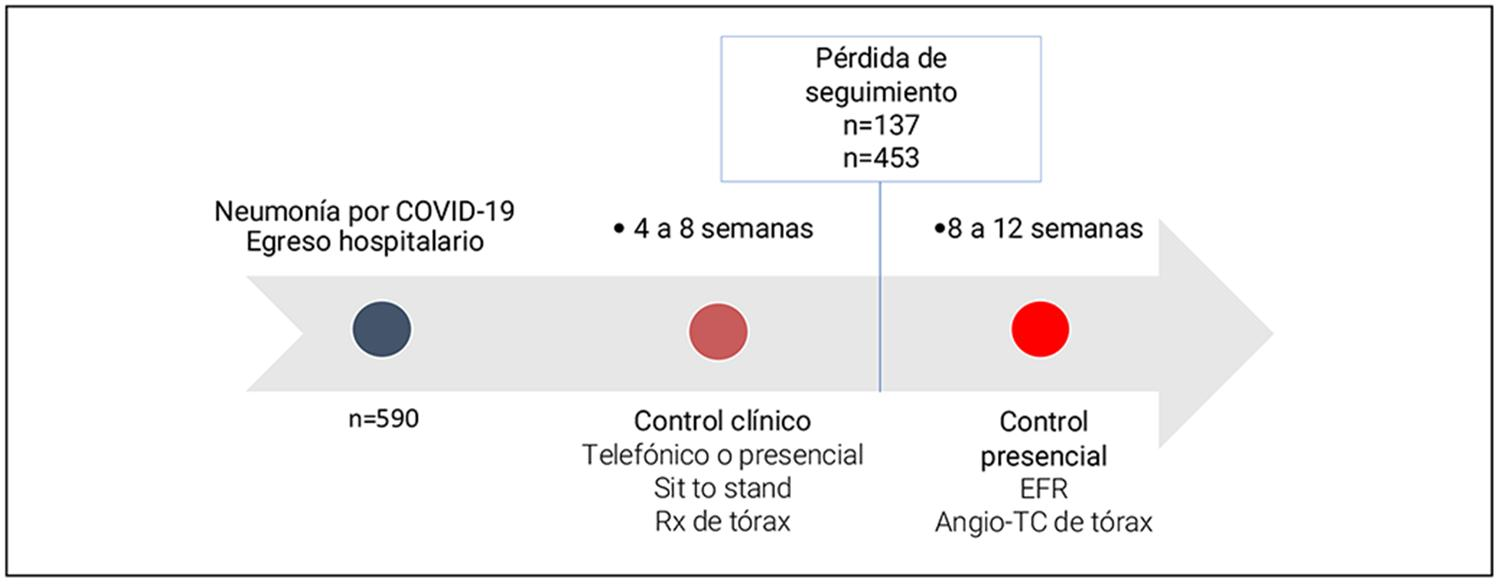
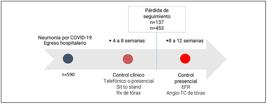
Materials and methods: Observational, analytical, retrospective study. Hospitalised patients from January to July 2021 with a discharge diagnosis of COVID-19 pneumonitis were included. Follow-up was conducted both by telephone and in person, including clinical, imaging, and spirometric assessment in those with dyspnoea and/or abnormal imaging at 8 weeks after discharge.
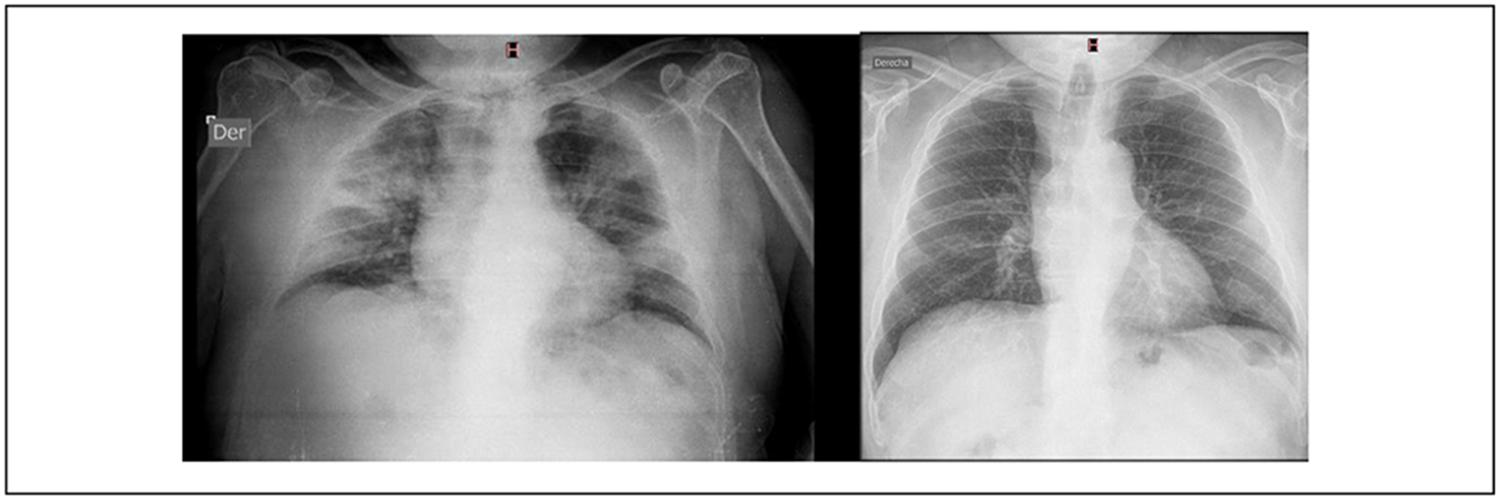
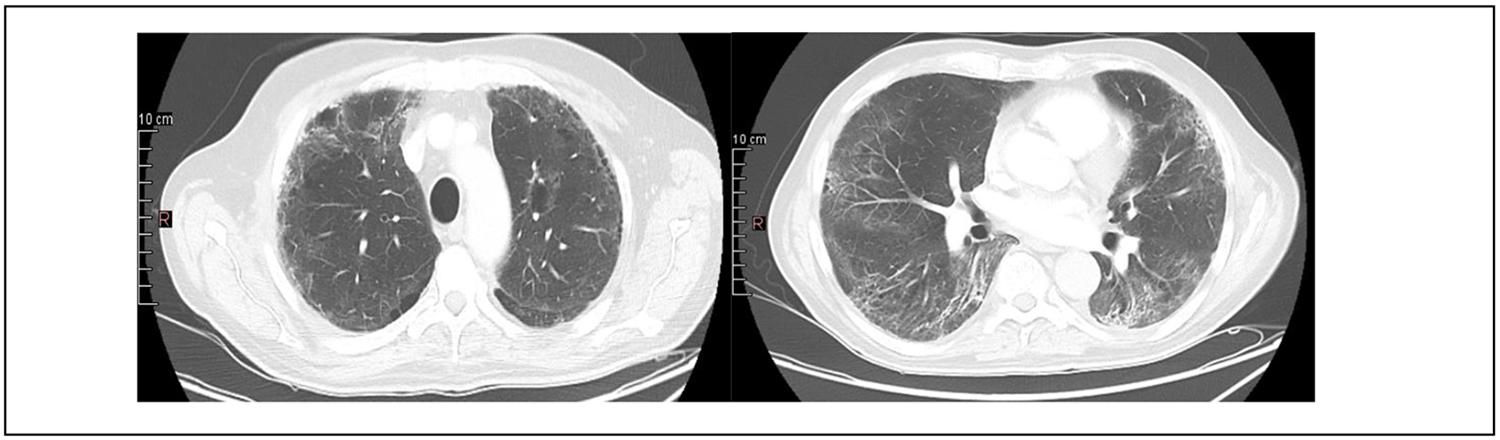
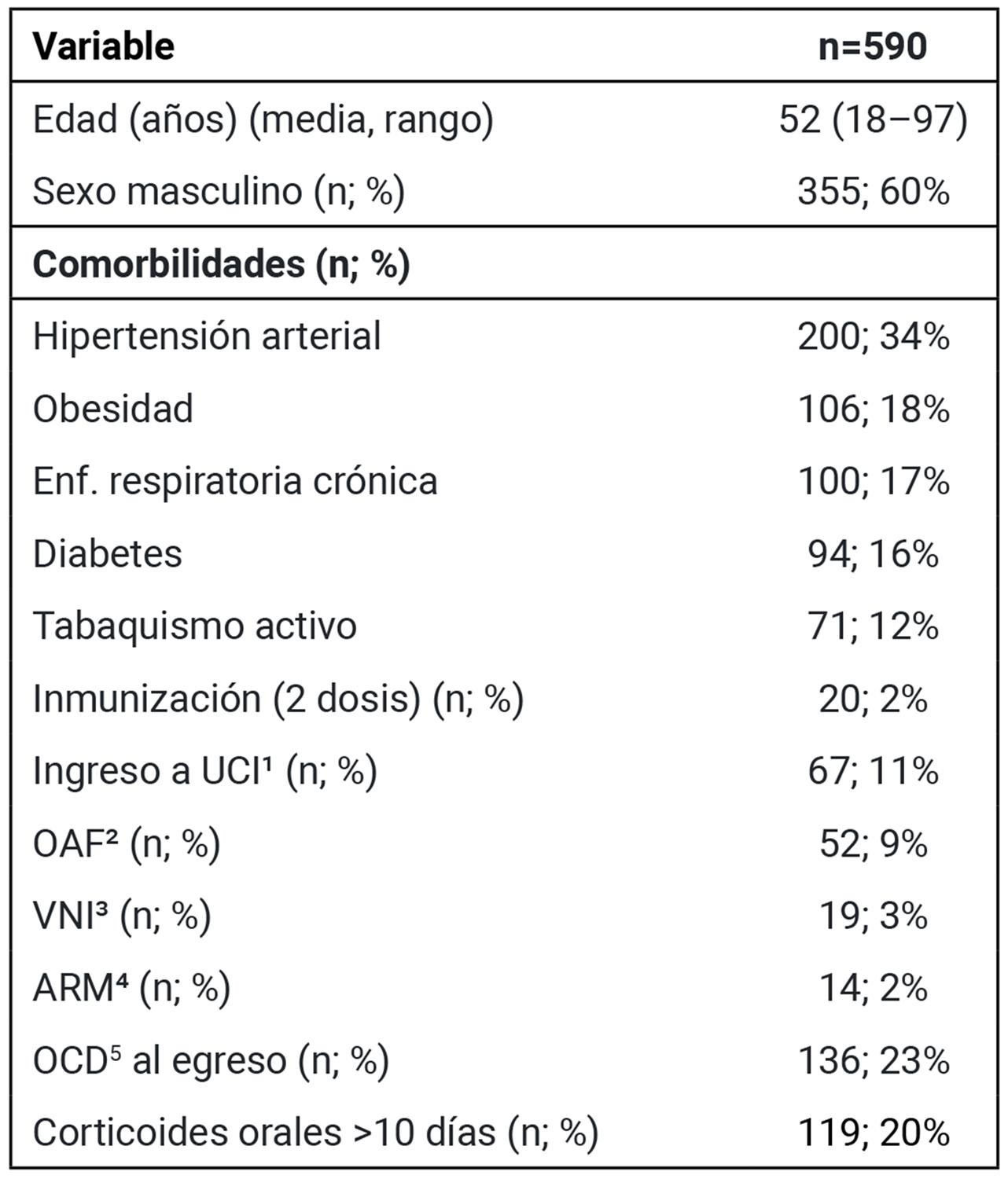
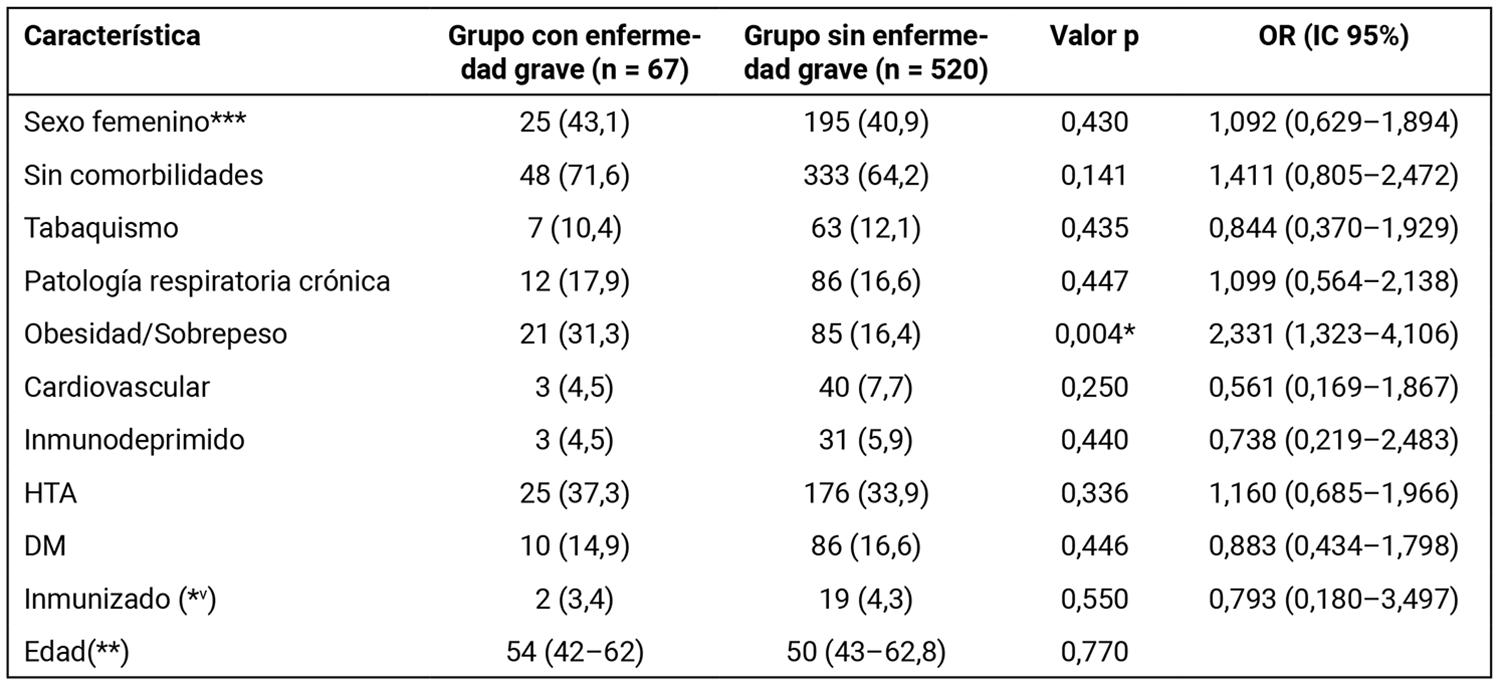
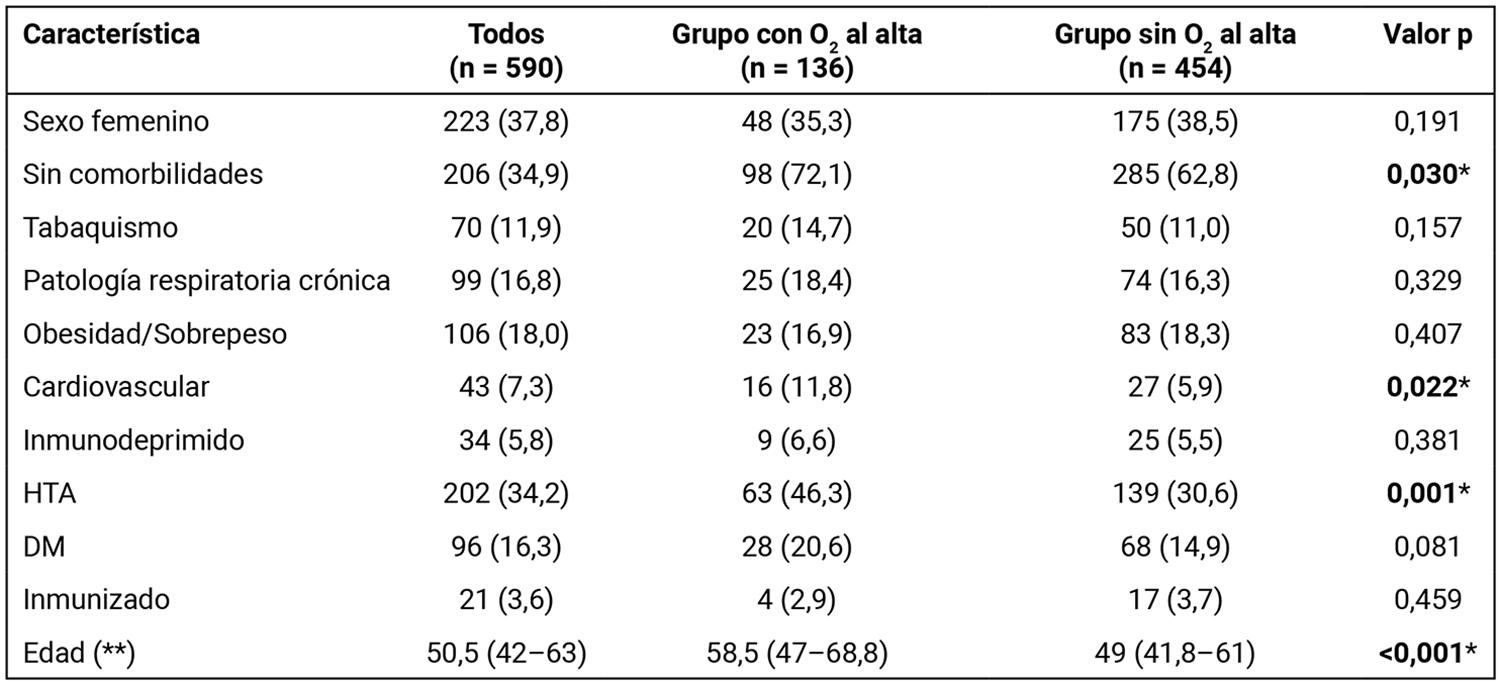
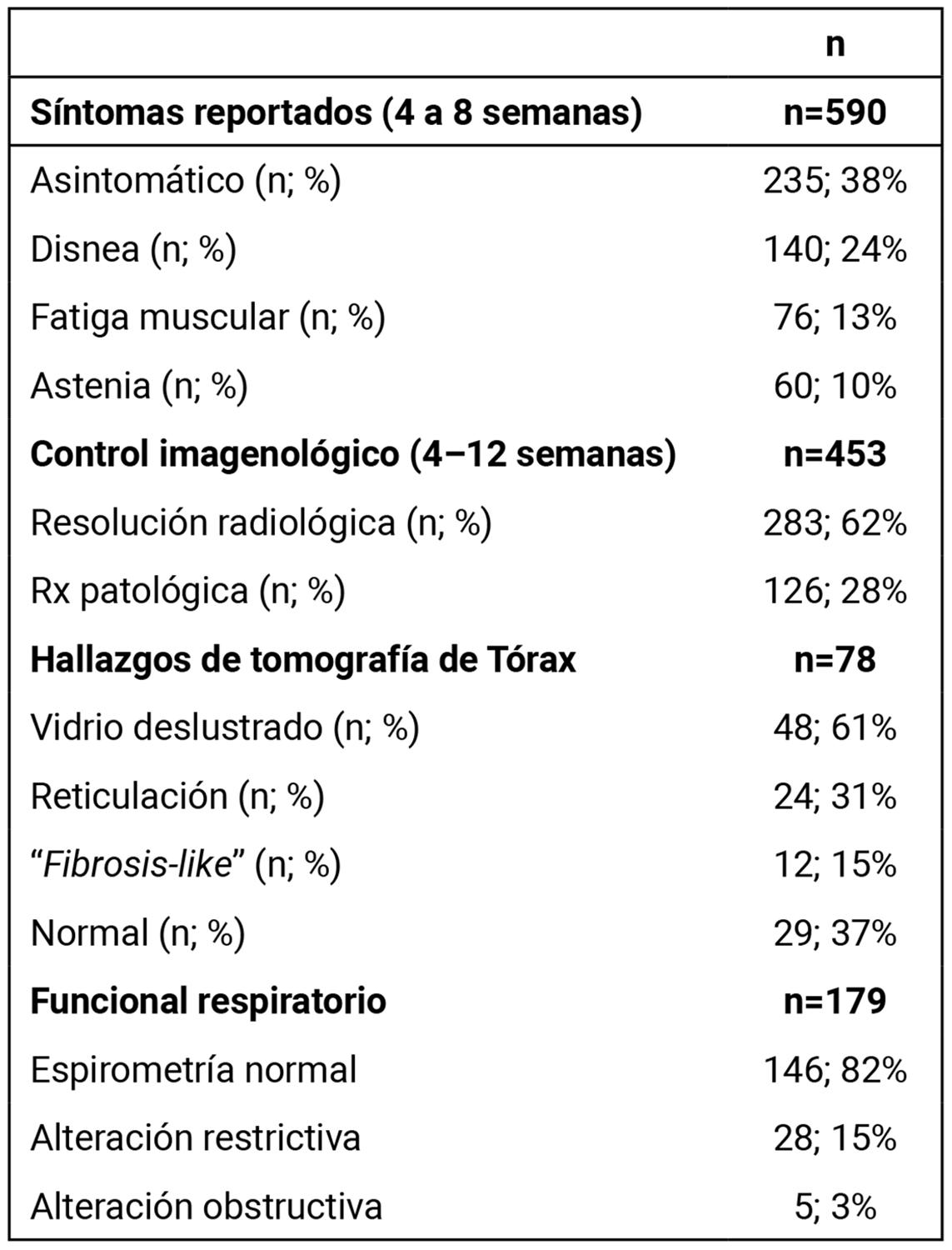
Results: n=590 patients, 355 men. Age: 52±14 (mean±SD) years. Comorbidities: hypertension (34%), obesity (18%), chronic respiratory diseases (17%), diabetes (16%), smoking (12%). Admission to the intensive care unit n=73 (12%); high-flow oxygen therapy n=52 (9%), non-invasive mechanical ventilation n=19 (3%), and invasive mechanical ventilation n=14 (2%). Eleven percent developed severe disease. Obesity/overweight was significantly associated with severe disease (OR 2.33; 95% CI 1.32–4.10; p=0.004). Severe disease was associated with a higher likelihood of discharge with home oxygen (OR 2.05; 95% CI 1.19–3.53; p=0.008). Twenty-three percent required oxygen therapy at discharge. Corticosteroid therapy for more than 10 days: n=119 (20%). At 4–8 weeks, 62% had persistent symptoms, with dyspnoea being the most frequent (24%). At 4–12 weeks, 31% showed persistent radiological abnormalities. Eighteen percent (n=33) of spirometry tests performed were abnormal, with a predominance of a restrictive pattern (28/33).
Conclusions: A significant proportion of patients hospitalised for COVID-19 pneumonia presented clinical, radiological, and functional respiratory sequelae during post-discharge follow-up. Initial severity and obesity/overweight were associated with worse outcomes. These results support the implementation of structured respiratory follow-up programmes in this population.
Keywords:
SARS-CoV-2; Hospitalisation; Follow-up; COVID-19; Complications
 Thumbnail
 Thumbnail
 Thumbnail