The Uruguayan withdrawal from TISA negotiations
This work, focused from the point of view of Foreign Policy Analysis, seeks to determine the reasons why Uruguay withdrew from the TISA (Trade in Services Agreement), negotiations in September 2015. Taking Putnam’s analysis of two-level international negotiations as a starting point, with the aim of explaining which internal and external determinants triggered the presidential decision of abandoning the trade agreement negotiations. The main factors to be taken into account include the coalitions and ideology of the most important political and social actors on the national level, the impact of the Uruguayan institutions that regulate the ratification of international agreements, the decision-making style of the president Tabaré Vázquez and the ideational dimension of the international insertion of Uruguay as perceived by its principal actors.
Key words:
foreign policy analysis; Uruguay; TISA; negotiation; Tabaré Vázquez
 Thumbnail
 Thumbnail
 Thumbnail
 Fuente:
 Fuente:
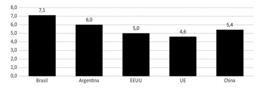
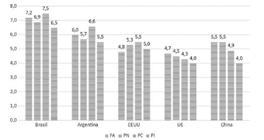
 Fuente: elaboración propia en base a datos del Instituto Uruguay XXI