Experiences on the use of inclusive language in the Public Administration of Uruguay
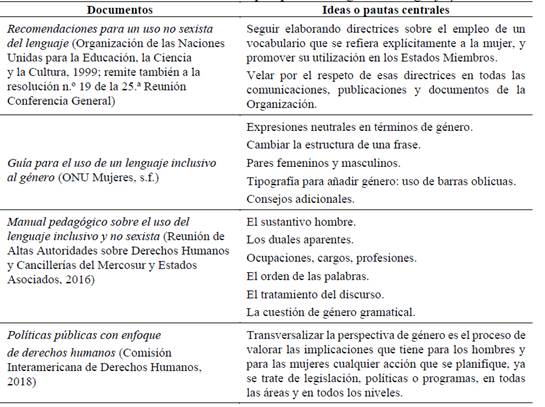
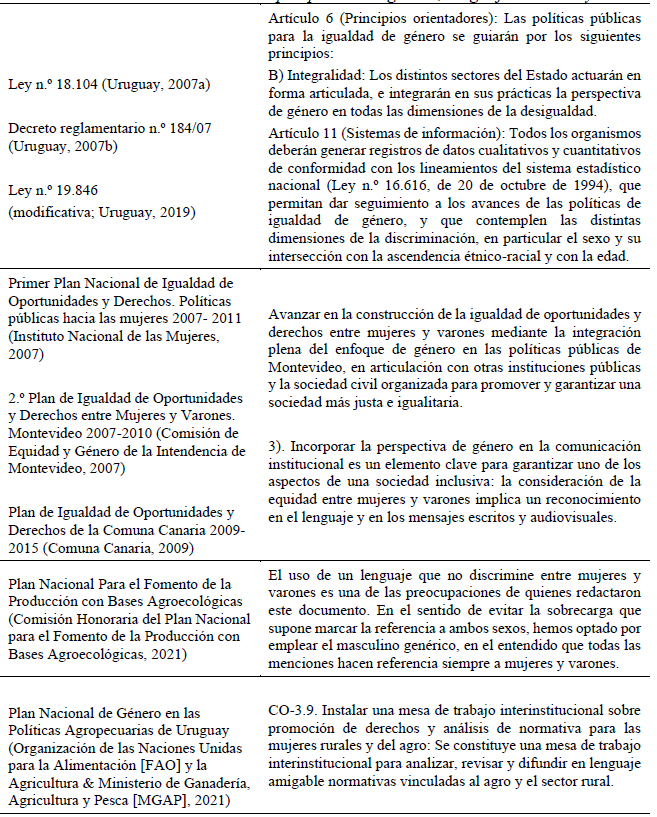
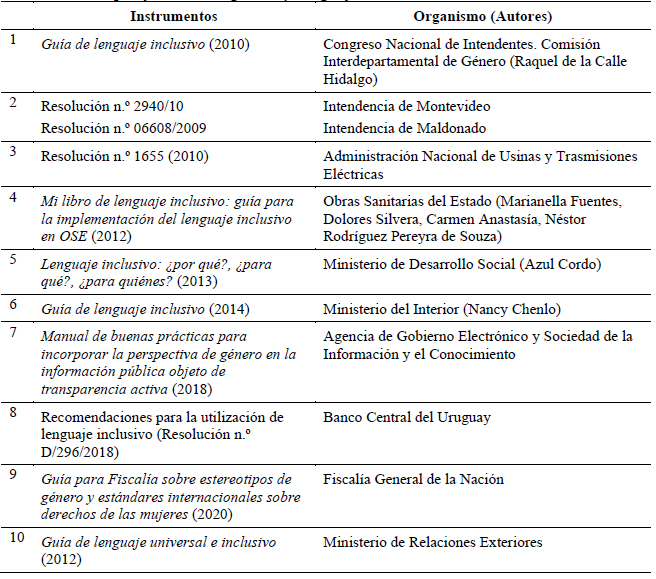
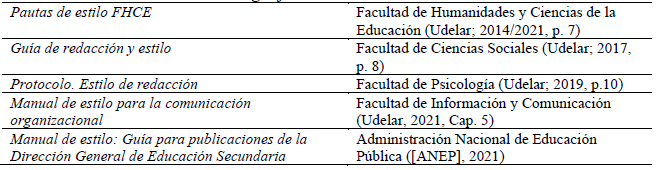
Concerns regarding the clarity and comprehension of legal language are a growing trend, one from which Uruguay has not been exempt. Within this issue, the use of inclusive or non-sexist language holds a particular place. In this context, this work presents an overview of the Uruguayan Public Administration: its regulatory framework, its scope, and its uses, through the study of a specific corpus. The results obtained are varied and reveal that Uruguay has traversed a fluctuating and perhaps confusing path, deserving of assessment and new institutional decisions
Keywords:
Public Administration; inclusive language; law