Acute Necrotizing Esophagitis
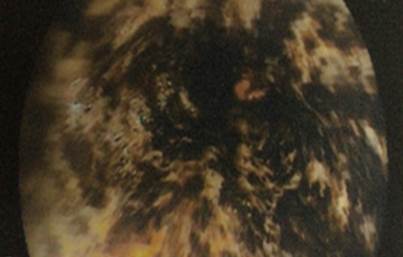
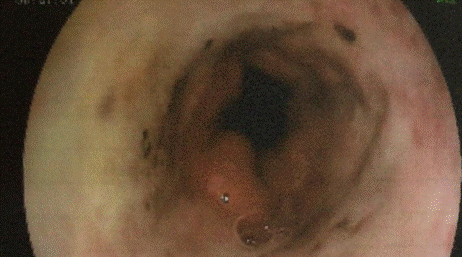
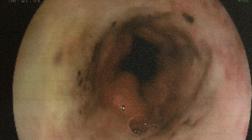
Acute necrotizing esophagitis is a rare disorder that can cause upper gastrointestinal bleeding. It predominates in males in the sixth decade of life. The diagnosis is endoscopic and shows a black-appearing esophageal mucosa that affects the entire circumference of the distal esophagus and stops abruptly at the gastroesophageal junction. Usually, patients present with hematemesis and melena, with other manifestations such as epigastric pain, retrosternal discomfort, dysphagia, and hypovolemic shock.
Almost all patients reported comorbidities: cardiovascular disease, alcoholism, diabetes mellitus, malnutrition, hiatal hernia, gastroduodenal stenosis, and malignant neoplasia; is related as well to patients with shock, trauma, undergoing major surgery, and immunosuppression.
The treatment is based on fluid reposition, proton pump inhibitors and suspension of the oral route, the use of antibiotic therapy being controversial.
Its prognosis is poor and will depend on the severity of the esophageal disease and the patient comorbidities, with a mortality rate up to 36 %.
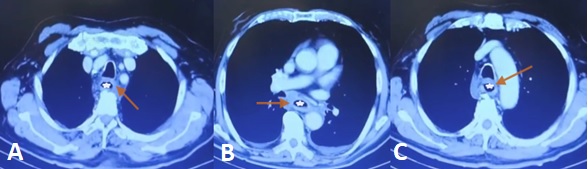
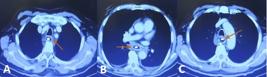
Case: A 81-year-old male patient with hypertension, who presented hematemesis, confirmed by endoscopy as acute necrotizing esophagitis, whose evolution was favorable with medical treatment.
Keywords:
Esophagitis; Necrosis; Hematemesis
 Thumbnail
 Thumbnail
 Thumbnail