Labor relations in Argentina. Collective bargaining and social dialogue in times of pandemic
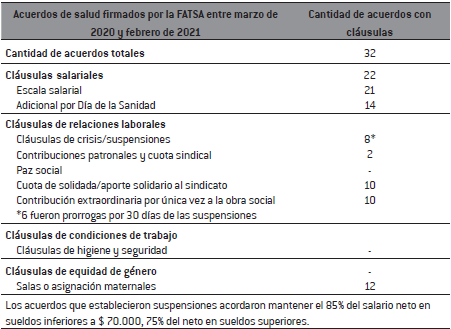
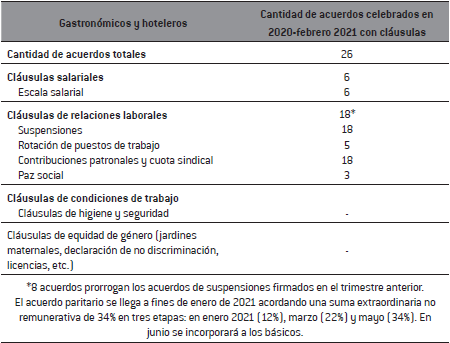
The pandemic reached Argentina when a new government had elected in 2019, in a context marked by a major economic crisis. Such a scenario promoted a threefold social dialogue with workers and employers, thus giving rise challenges for labor relations. This article is aimed at exploring the dynamics of collective bargaining, and analyze the similarities and differences between workers whose activities were declared “essential”, like the healthcare industry, and “non-essential”, like the gastronomy sector. Two tendencies are detected: on the one hand, the convergence of union associations, employers and the government through collective bargaining in order to meet new demands. On the other hand, the pandemic caused the bargaining to be revitalized, by adding other contents in line with the health crisis.
Keywords:
pandemic; social dialogue; collective bargaining; labor relations in Argentina