Labor insertion in Costa Rican agriculture. The case of the Nicaraguans
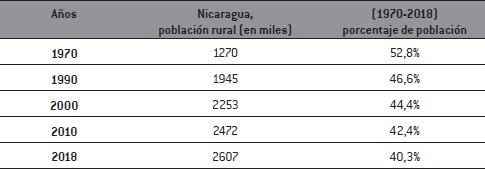
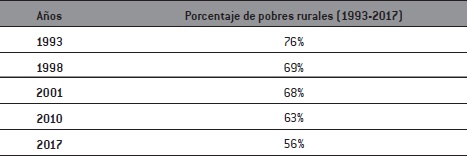
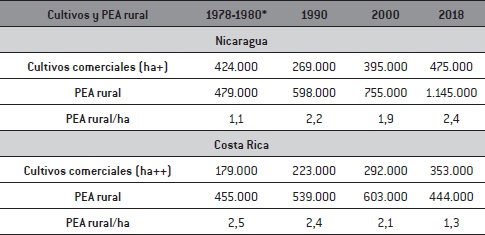
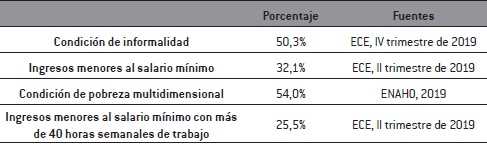
Since 1980, the agriculture of Costa Rica underwent changes that expanded agro-exports. In parallel, tourism and other non-agricultural activities spread. In Nicaragua, agricultural export activities declined and, therefore, the demand for labor. Beginning the nineties, Nicaraguan migrations to Costa Rica expanded, creating a South-South model of articulation, very different from the rest of Central America, focused on migrating to the United States. Agricultural wages in Costa Rica are higher than in Nicaragua; however, an important part of Nicaraguans work informally, with lower wages than Costa Ricans, and in conditions of multidimensional poverty.
Keywords:
South-South labour migration; condition of agricultural workers; social consequences of international emigration
 Thumbnail
 Fuente: