Fracture lines: falling into homelessness and the accumulation of circumstances
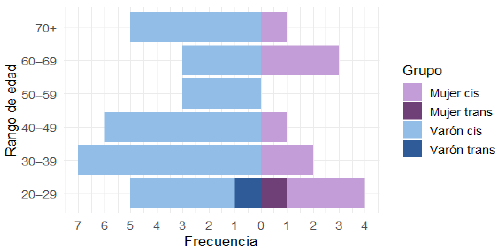
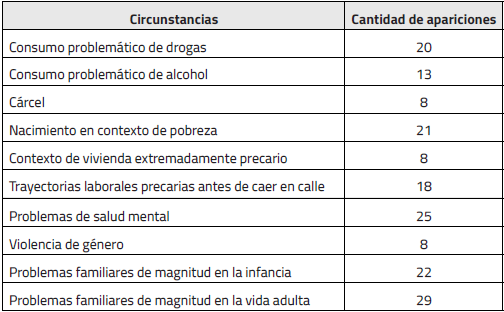
The number of homeless people in Uruguay has grown steadily in the 21st century. This study, based on 40 biographical narratives conducted in Montevideo between 2022 and 2024, analyzes trajectories leading to homelessness as the ultimate case of social disaffiliation. The accounts reveal the interplay of multiple factors: poverty of origin, housing deficits, precarious labor, problematic substance use, gender-based violence, family problems, mental health issues, and incarceration. Additional pathways emerge, such as international migration and expulsions from peripheral neighborhoods, along with escalating violence as a hallmark of the times. None of these biographical events operates in isolation: they combine in fragmented trajectories, where the accumulation of circumstances, rather than isolated events, drives entry into homelessness.
Keywords:
homelessness; pathways; biographic narrative; disaffiliation
 Thumbnail