Project-Based Learning (PBL) for Teaching a Literature Course: Insights from a Pedagogical Experience in a Public School in Bogotá, Colombia
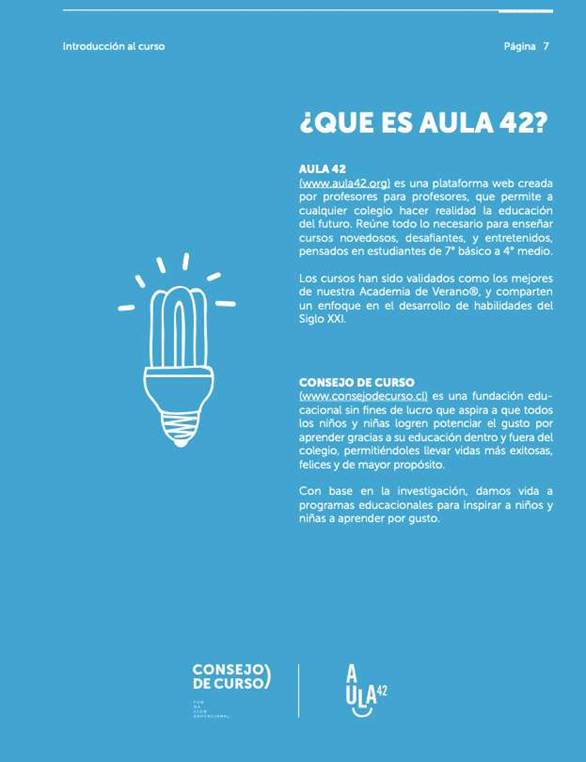
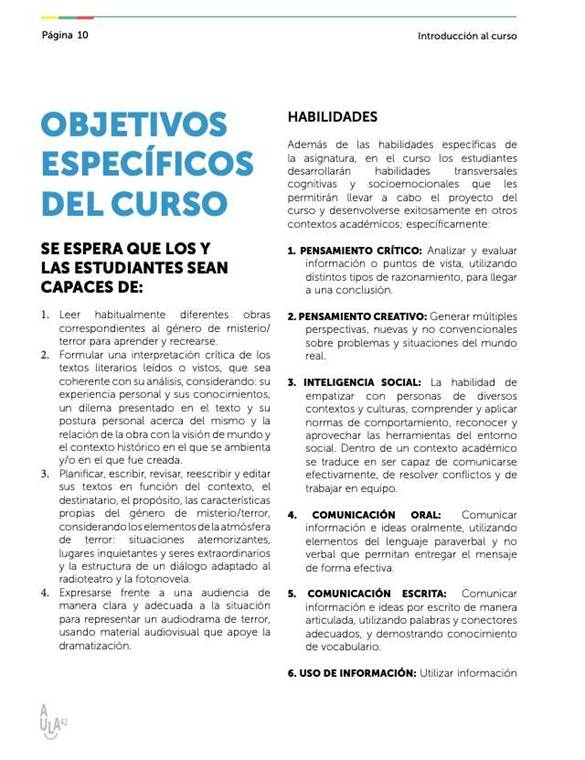
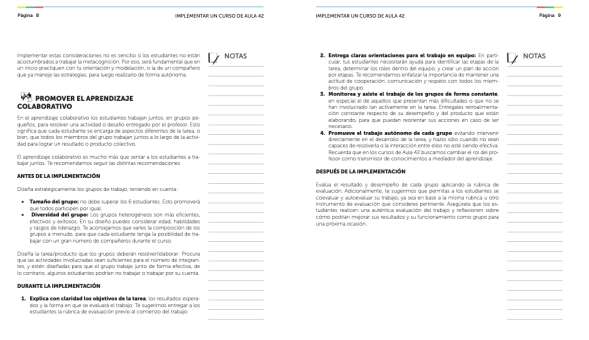
Project-Based Learning (PBL) is an educational methodology aimed at strengthening teaching and learning processes through the design of school-based projects. One of its core premises is that students develop important cognitive and socioemotional skills when they engage with challenges contextualized to their everyday realities. In this sense, PBL represents an innovative approach to fostering curiosity and a genuine interest in learning. The aim of this article is to present a pedagogical experience conducted in a public school in Bogotá, Colombia, where PBL was implemented in the teaching of a literature course. The experience involved 35 final-year high school students. The implementation consisted of 15 weeks of classroom sessions, preceded by two months devoted to curricular adaptation to the school’s needs, teacher training, and refinement of the final project. Through PBL, students created a radio drama to narrate horror and mystery stories grounded in their local contexts. Two key findings emerged: (i) high levels of student engagement in the project, and (ii) the development of skills such as creative thinking and teamwork. Educational leaders interested in innovating their teaching practices can draw on the lessons from this experience and use PBL as a tool to strengthen the development of cognitive and socioemotional skills among their students
Keywords:
project-based learning; educational innovation; curriculum; learning
 Thumbnail
 Thumbnail
 Thumbnail