The Purpose and Functioning of Educational Networks in the New Public Education: Achievements and Challenges
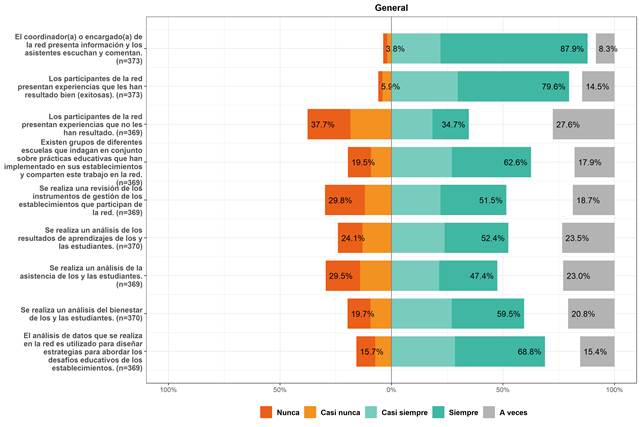
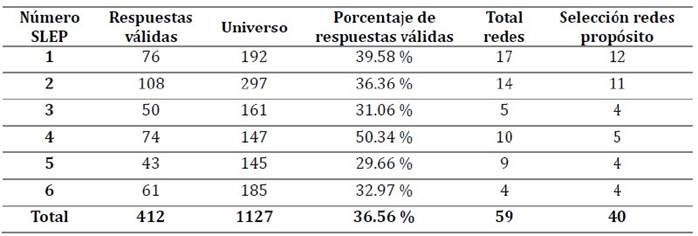
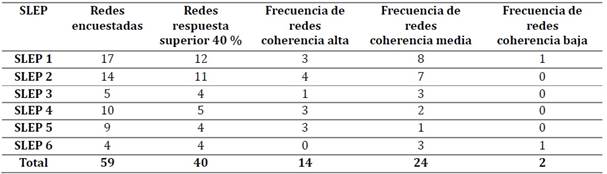
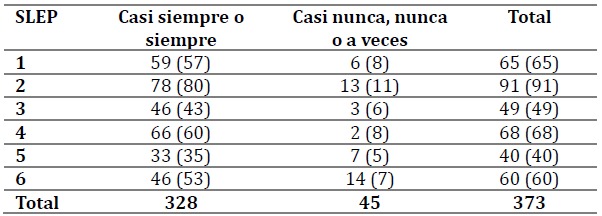
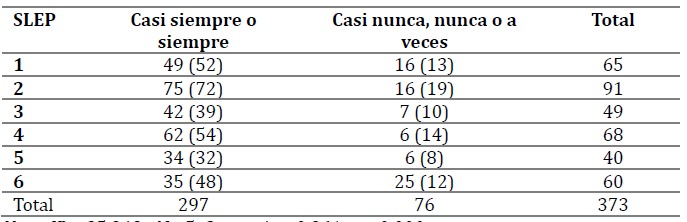
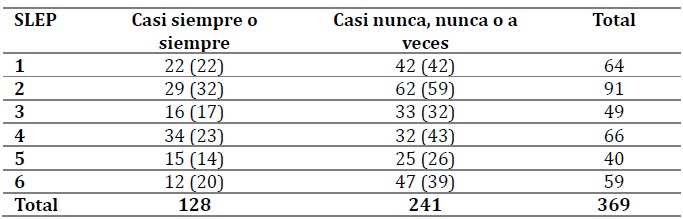
Collaborative networking is one of the key principles of the new public education system in Chile. This reform establishes that public education will be progressively managed by local public education services (SLEP). Research on the implementation of SLEPs indicates that it is necessary to accelerate, strengthen and improve the articulation of territorial networks; however, evidence on their functioning is scarce. The objective of this research is to analyze the functioning of the educational networks coordinated by the SLEPs, with emphasis on their purposes, methodology and activities. Based on an online questionnaire validated in Chile and applied in 2022, 412 responses were obtained from 59 educational networks of six SLEPs. The results allow us to identify a medium level of coherence in the purposes defined by the educational networks. There is a predominance of activities in which the coordinators play a leading role, and the presentation of successful experiences of their participants in the network meetings. Significant differences have been found in the activities carried out by the SLEPs, so it is suggested to strengthen collaborative learning among the SLEPs from a systemic approach, especially on the leadership of the educational networks, to strengthen the professional capacities of their teams and their territorial accompaniment.
Keywords:
collaborative learning; public education; collaboration; leadership; educational networks
 Thumbnail