Attitudes, Practices, and School Performance in Vulnerable Strata: A Comparison between Brazil and Argentina
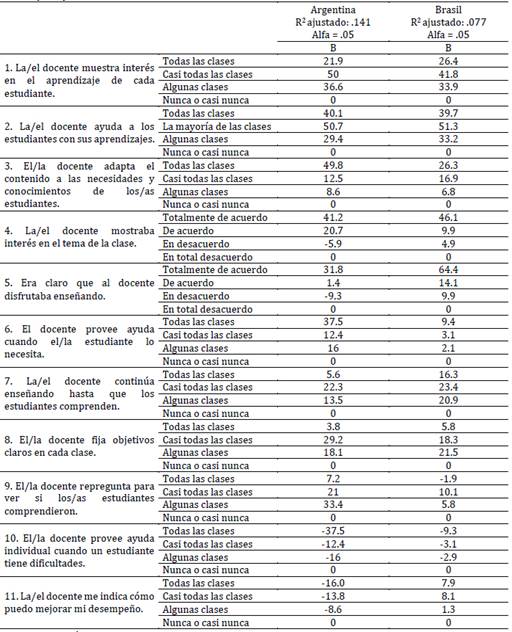
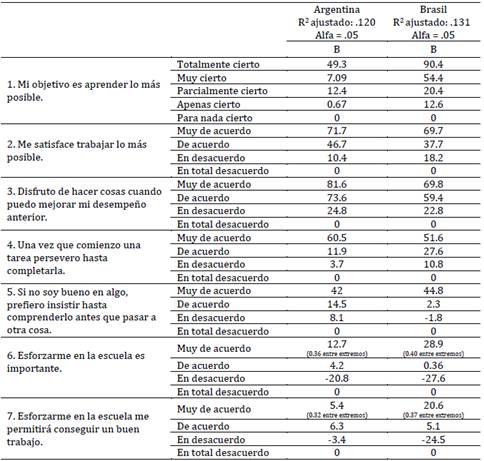
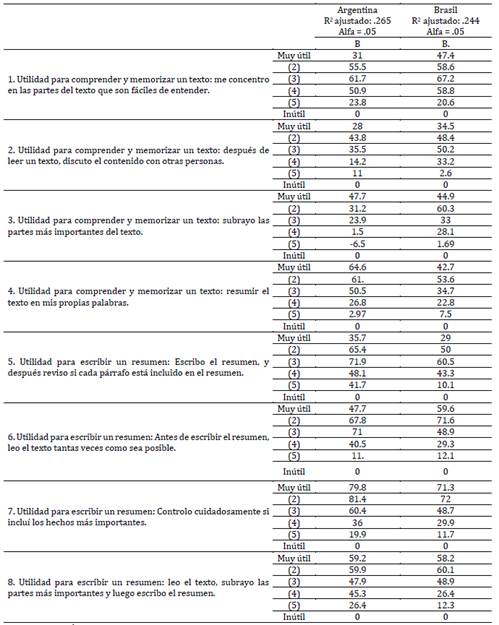
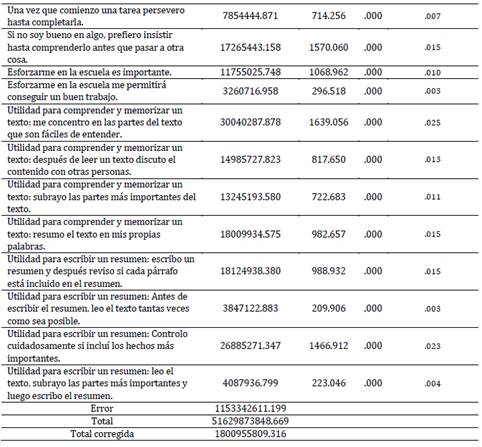
Since the 1960s, a vast array of studies has questioned the ability of schools to equalize learning levels among students from different social backgrounds. Despite various programs and policies aimed at reducing these disparities, research in diverse contexts has repeatedly found that not only do these differences persist, but they are also reproduced within the school system. This article approaches the issue from a slightly different perspective: its objective is to identify practices and attitudes of students and teachers that are associated with differences in school performance among students from lower socioeconomic backgrounds in Brazil and Argentina. The focus is not on understanding the mechanisms that perpetuate differences between social strata, but rather on identifying those that lead to higher relative achievements among students with fewer resources. A comparative analysis of the 2018 PISA test results was conducted using multivariate statistical models. This analysis revealed that certain factors, such as teacher empathy, student motivation and perseverance, and study methods, are associated with academic performance. However, it also showed that the strength of these associations varies depending on the context. These findings contribute to the design of educational policies aimed at improving performance in disadvantaged groups by highlighting conditions that may foster better outcomes, while also cautioning against uncritically extrapolating results across different contexts
Keywords:
education; equity; performance; Brazil; Argentina