Social Inclusion in Argentina Higher Education: Indicators and Policies Regarding Access and Graduation
Abstract
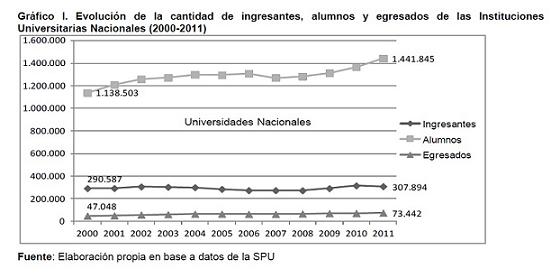
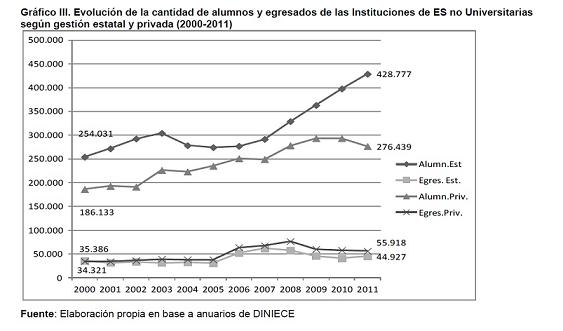
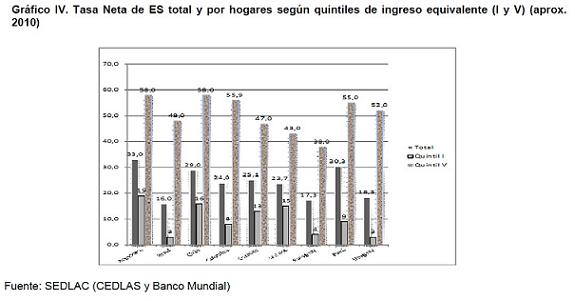
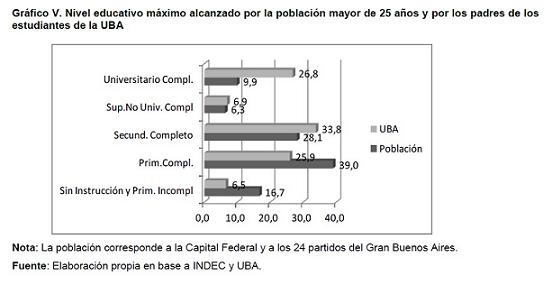
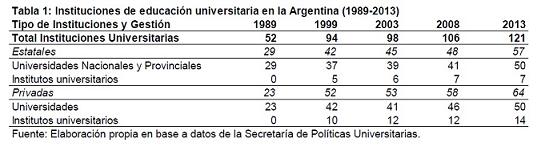
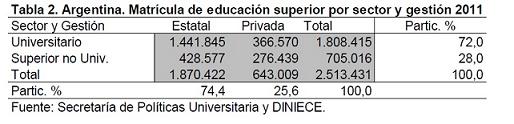
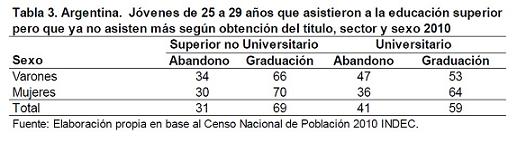
Since the return to democracy in Argentina, the main policies to ensure the right to Higher Education under inclusion conditions have been the following: non-selective admission processes, free education in the public sector and the expansion of the institutional supply. Since the 1990s scholarships and mentoring programs have also been incorporated. This article analyzes whether these policies suffice to ensure equity in access, participation and graduation. We conclude that quantitative indicators show that higher education coverage is high despite a wide gap in the participation of youngsters depending on household income sector, as well as elevated dropout rates, especially among young people at a lower socioeconomic level
social inclusion; equity in Higher Education; Higher Education policies; social inclusion; dropout
 Thumbnail
 Thumbnail
 Thumbnail
 Thumbnail