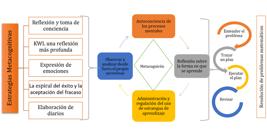
Metacognitive Strategy Model for the Development of Mathematical Problem Solving
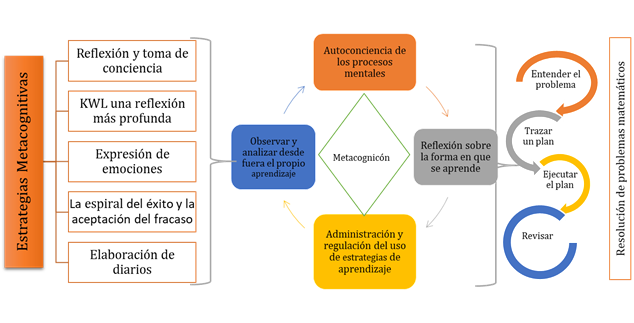
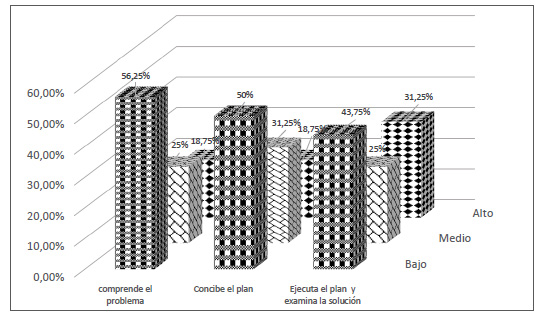
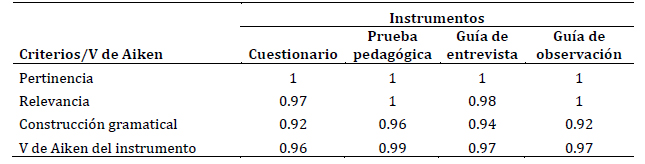
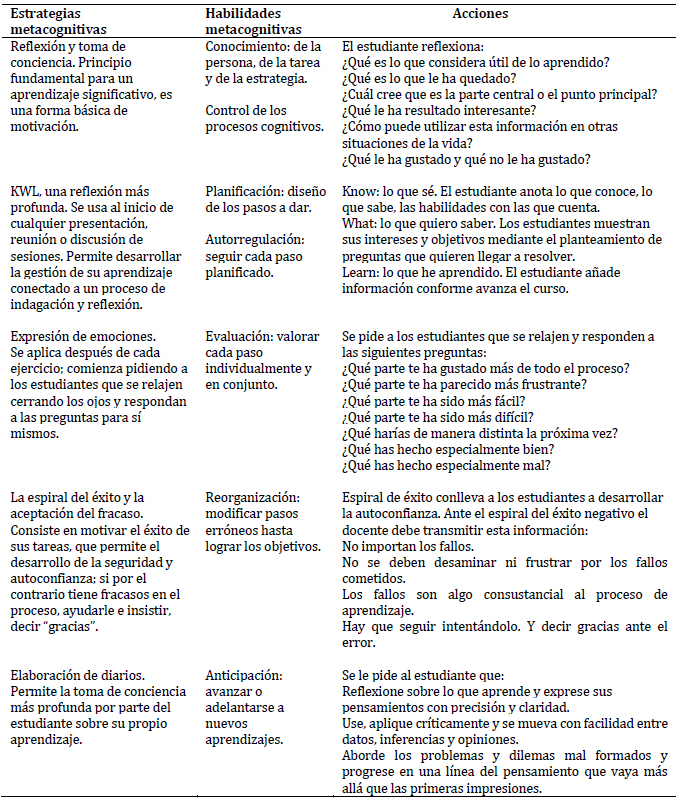
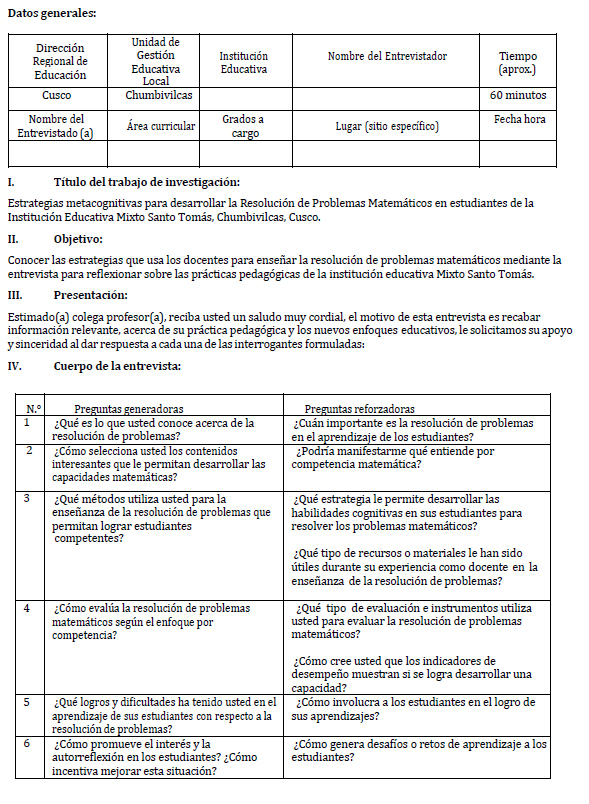
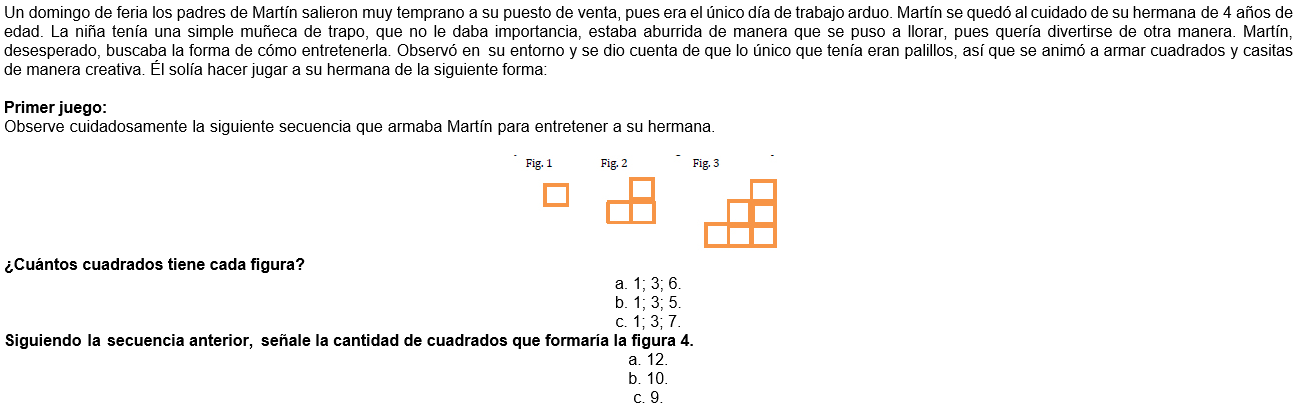
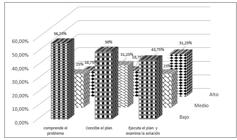
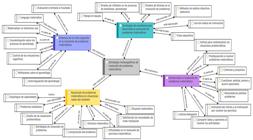
The study was conducted with secondary school students and teachers of Mathematics at an educational institution in Peru. The objective was to design a metacognitive strategy to promote the development of problem-solving skills. The methodology employed aligns with the socio-critical paradigm, utilizing a mixed approach and applied research of transformative scope. The adopted design was the nested concurrent dominant model. The sample consisted of 16 students and six teachers. Various instruments, including semi-structured interviews, observation guides, questionnaires, and a pedagogical test, were utilized during the field diagnosis to assess the current state of the problem. Results revealed a low level of knowledge and skills in solving mathematical problems, with 56.25% scoring low in problem comprehension and 50% in plan conception, while 44% scored low in plan execution and solution examination. Furthermore, interviews, observations, and questionnaires indicated that this situation stemmed from the methodologies employed in the classroom. In conclusion, a metacognitive strategy model is presented to guide teachers in empowering students and fostering their engagement in knowledge construction and problem-solving skills development.
Keywords:
metacognitive strategy; learning; mathematical problem-solving
 Thumbnail
 Thumbnail
 Thumbnail
 Thumbnail