The Herbarium as a Teaching Tool for Integrated Learning of Botany in Higher Education: A Focus on Agricultural Engineering Education
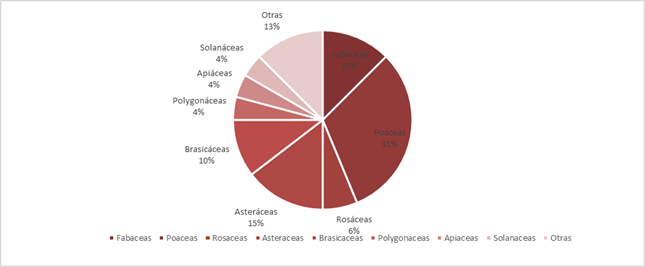
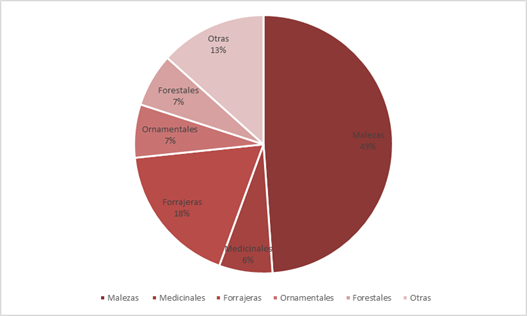
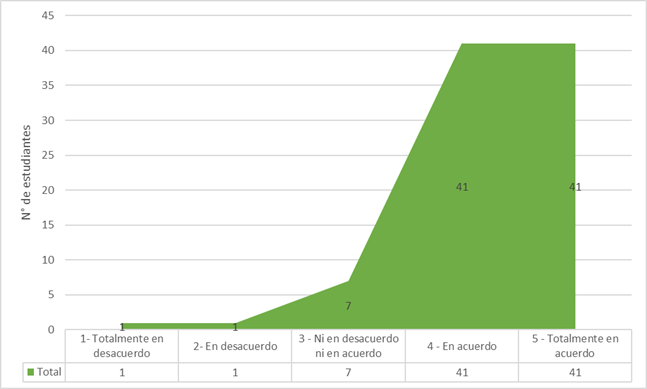
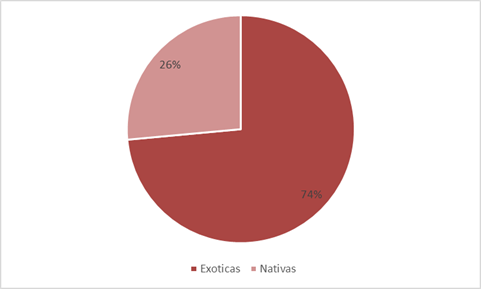
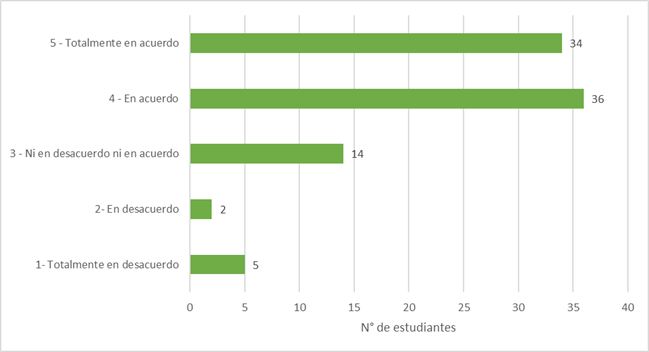
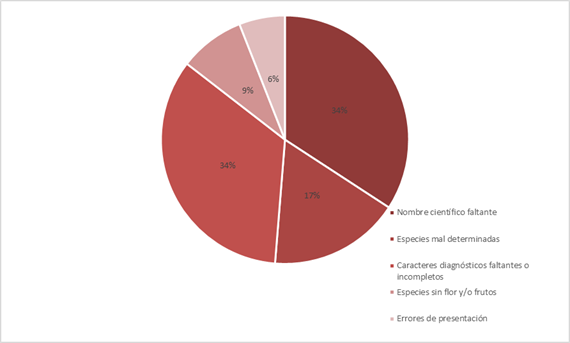
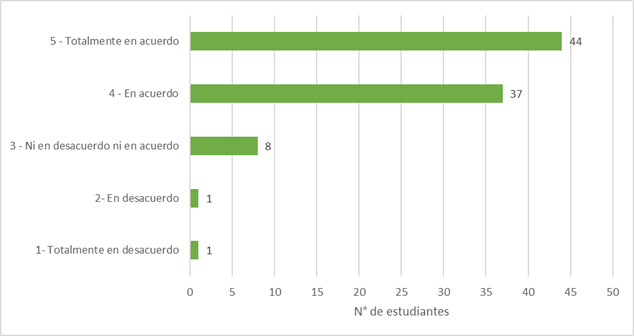
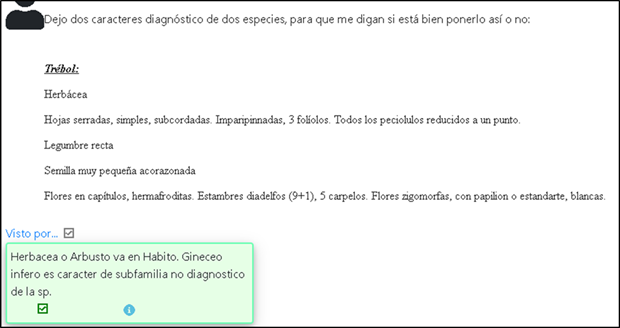
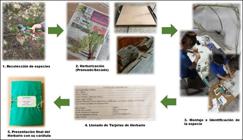
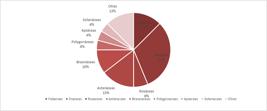
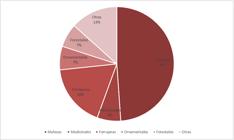
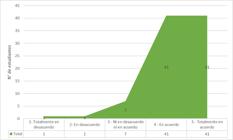
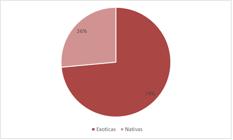
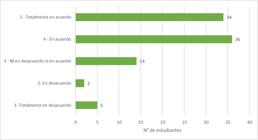
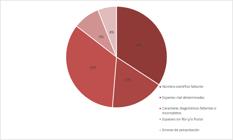
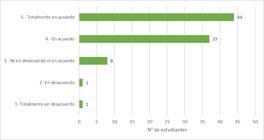
The herbarium, a key teaching resource in botany, integrates theory and practice in the training of agronomy engineers. This qualitative, exploratory study analyzes its contribution to learning plant families, economic categories, native/exotic status, and diagnostic characters in agricultural systematic botany. The study combined the analysis of 91 student herbarium collections, Likert-scale questionnaires, interviews with instructors, and discussions in online forums. The results indicated that 59 % of the species belonged to agronomic families (Poaceae, Asteraceae, Fabaceae), 50 % were weeds, and 75 % were exotic, revealing a bias toward non-native species. Frequent errors included omission of scientific names (34 %) and diagnostic characters (34 %). However, 90 % of students emphasized that the herbarium enhanced their ability to identify vegetative and reproductive traits. The study underscores its value as a bridge between theory and the needs of the agricultural sector and proposes its integration into citizen science projects to promote local biodiversity conservation
Keywords:
herbarium; teaching resources; botany; agricultural engineering; diagnostic characters
 Thumbnail
 Thumbnail
 Thumbnail
 Thumbnail
 Thumbnail
 Thumbnail
 Thumbnail
 Thumbnail
 Thumbnail
 Thumbnail