Evaluative Practice of the Implementation of 14 Philosophical Didactic Designs
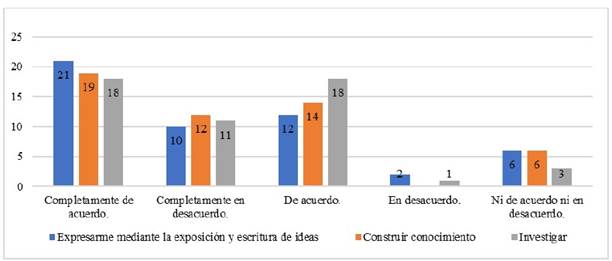
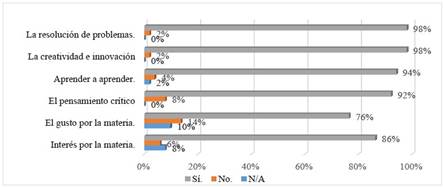
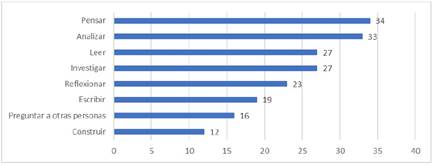
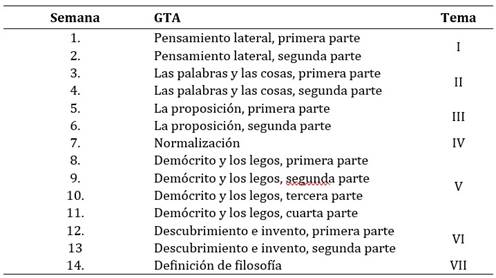
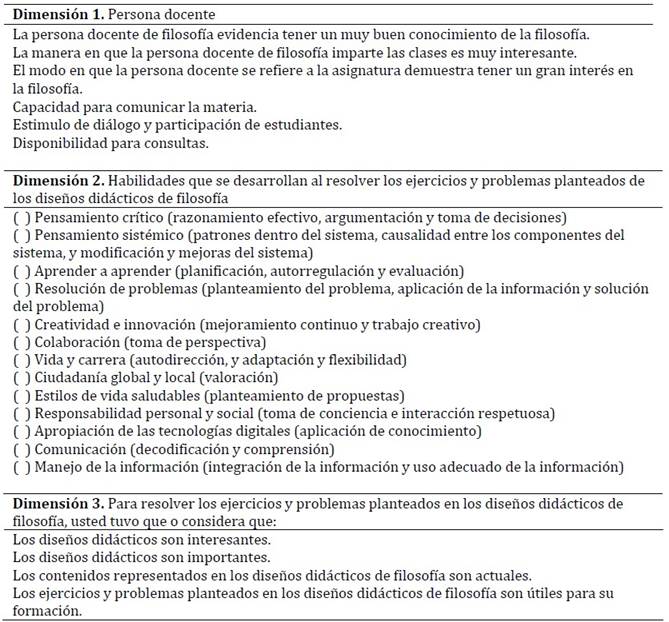
Contemporary research on the evaluation of philosophy teaching practices remains scarce. This evaluative practice presents the results of a survey conducted with 51 students regarding the implementation of 14 philosophical didactic designs aimed at fostering knowledge construction, autonomy, and skill development. The study was carried out at Liceo José Joaquín Vargas Calvo, located in Montes de Oca, San José, Costa Rica-a public secondary school that grants national baccalaureate degrees. The evaluative practice was applied using an instrument divided into three dimensions: (a) teaching personnel, (b) skills, and (c) didactic designs. According to the results, philosophy was associated with thinking, reflecting, and conducting inquiry. The skills developed included critical thinking, systematic thinking, learning to learn, problem-solving, information management, and perspective-taking. The evaluation of educational practices is essential to verify theoretical claims within the classroom context. A sound understanding of learning and teaching theories supports the ability to create didactic designs that are learner-centered and skill-oriented
Keywords:
philosophy; teaching; learning; skills; didactics; methodology
 Thumbnail
 Thumbnail
 Thumbnail