Multifamily Group Counseling: A Therapeutic Device to Enhance Adherence to Treatment in Individuals with Hypertension. Uruguay
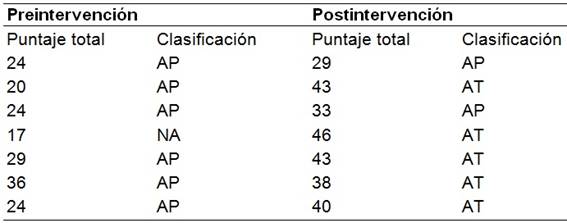
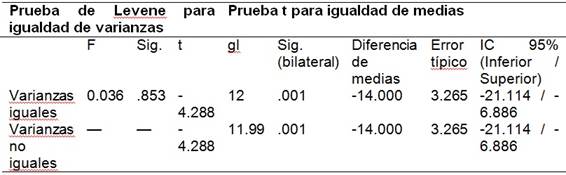
Introduction: Hypertension is one of the most significant health problems in our country due to its high prevalence and inadequate control, with poor therapeutic adherence being a key factor. Several interventions have been implemented to address this issue, and family involvement has proven to be an effective strategy. This study presents an innovative therapeutic device that combines a systemic and psychoeducational approach in a multifamily group setting to improve adherence among hypertensive patients. Objective: to evaluate the implementation of the Multifamily Group Counseling device for adults with hypertension in rural and urban areas of the Paysandú Medical Corporation. Methodology: quasi-experimental, prospective, and longitudinal analytical study aimed to measure changes in therapeutic adherence among participants, utilizing the Martin-Bayarre-Grau Questionnaire, which has been validated for the study population. Results: twenty-one partially non-adherent users, as reported in the questionnaire, were invited to participate. Two groups were formed: the Guichón group (rural) consisted of three hypertensive individuals (75% male) with an average age of 72, accompanied by a partner, a sister, and a daughter. The urban group included four users (50% female) with an average age of 67, and 75% of the accompanying family members were their partners. Pre- and post-intervention adherence, assessed using Student's T-test, showed a p-value of 0.01, considering limitations and selection biases. Conclusions: the hypertensive participants demonstrated statistically significant improvements in therapeutic adherence, as measured by the validated questionnaire.
Keywords:
Group psychotherapy; family therapy; family medicine