Brain Subjects: Interpretative repertoires of the uses neuroscience in early childhood policies in current Chile
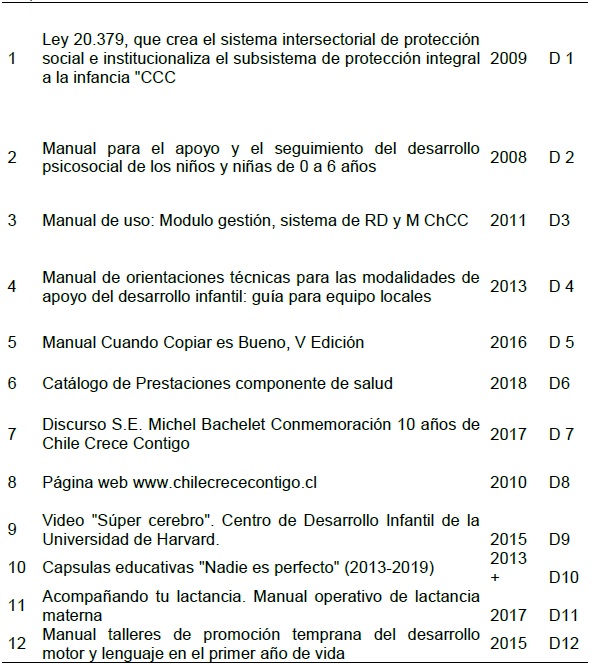
Some results of a broader investigation are presented, aimed at knowing the speeches of childhood and their care of an intervention device of early childhood in Chile. Using the resource of interpretive repertoire analysis (Potter and Wetherell, 1987, Wetherell and Potter, 1996), a textual corpus consisting of 12 institutional documents was analyzed. From the multiple repertories identified, we present those that allow us to capture in a singular way the relationships between neurosciences, public policy and childhood: the brain as a social actor; the risk as alteration; and the intervention as optimization. We conclude that these repertoires collaborate in the conformation of representations of childhood that are highly biologized and strongly linked to models of human capital and traditional representations of gender and motherhood. Although the findings of neuroscience are seen as a promise to overcome social inequality, it would be rather a cruel optimism (Edwards et al., 2015) that would hide the deep gender and social inequalities in our country and the positioning of poor mothers as responsible for the risks, as well as the brain development of their children.
Key words:
Early childhood; neuroscience; discurse analysis; gender