Validation of the factorial structure of the Procrastination Scale in Brazilian university students
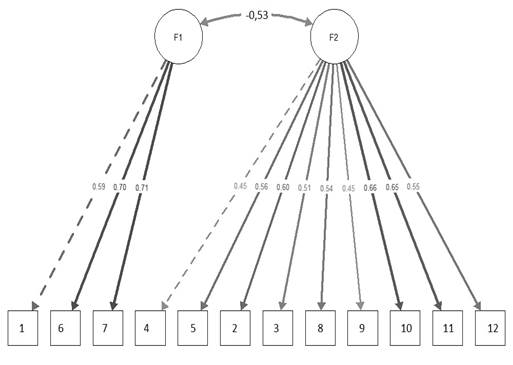
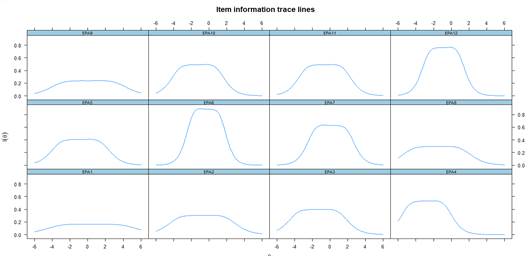
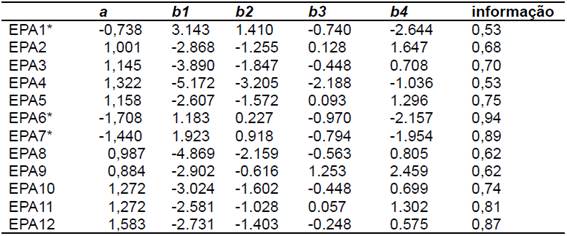
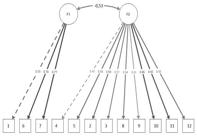
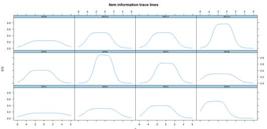
Procrastination causes college students to postpone and delay their academic work, ignoring their academic responsibilities throughout their study period. However, there is still little research on this subject and few instruments validated for Brazilians, with the aim of measuring levels of procrastination. The purpose of this study is to confirm the factorial structure of the Academic Procrastination Scale (APS). There were 360 undergraduate students, most from private universities (56.9%) and women (71.4%). The results showed that the APS has two subscales: postponement of activities and academic self-regulation. This model showed better rates of goodness, which means that in Brazilian culture, the factors underlying the items are the same as in other cultures (e.g., Peru and Canada). The analysis of the data through the Item Response Theory, showed levels of calibration of the significant items, that is, the items they are able to discriminate people, as well as have different levels of difficulty for each item's response category. Therefore, the two-dimensional structure follows significant structural parameters to suit Brazilian university students.
Keywords:
Academic procrastination; academic self-regulation; validity; reliability
 Thumbnail
 Thumbnail