Lesiones no cariosas del cuello dentario: patología moderna, antigua controversia
Abstract
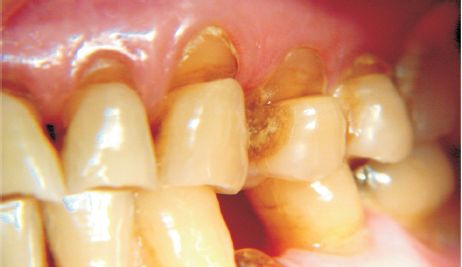
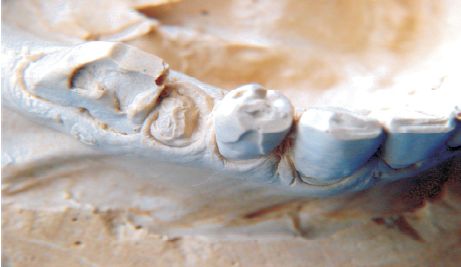
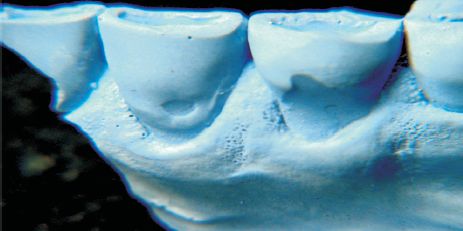
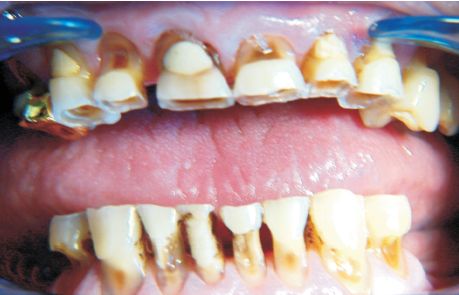
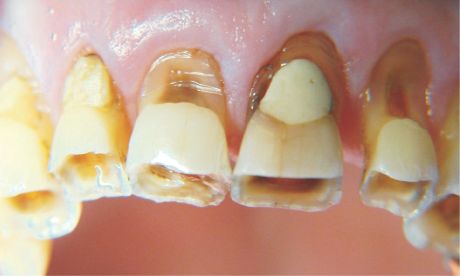
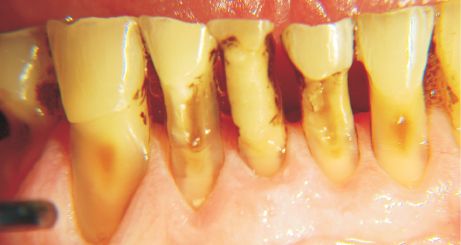
The non carious cervical lesions (NCCL) are considered frequent defects, characterized by an insidious unfolding, and controversial aetiology. At first its genesis was attributed to acid erosion (exogenous or endogenous), and also associated to a mechanical-abrasive brushing, or abusive brushing. At the eighties decade, with the intention to solve the disagreements about the origin of this lesions, appears the Flexural Theory, to offer a primary aetiology of the wedge-shaped defects, whereas the oclusal parafunctional loads, concentred the stress at cervical tooth, resulting in microfractures of hard mineral tissue in that critical zone: Abfraction. New experiences had made born new theories, in which the occlusion is relegated to a less relevant place, as co-factor of the other two aetiologies, and both erosion and abrasion working in a synergic form in the large context of tooth surface loss (TSL), by non carious or traumatic agents. Anthropological evidences indicate that NCCL are a modern population’s defect, conditioned to the occidental way of life. Anyway, the aetiology of the NCCL, above all wedge-shaped lesion, is nevertheless being object of discussion
NCCL; Erosion; Abrasion; Abfraction
 Thumbnail
 Thumbnail
 Thumbnail
 Thumbnail