A randomized clinical trial comparing two particle sizes in lateral window sinus lift with deproteinized bovine bone mineral: clinical and histological results
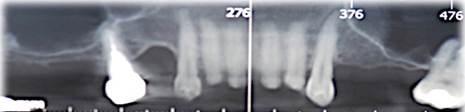
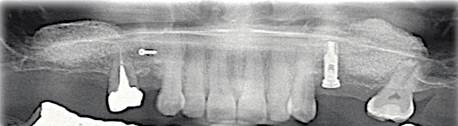
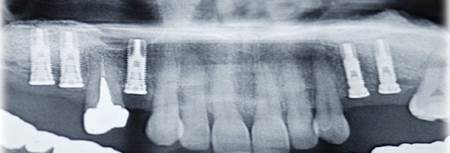
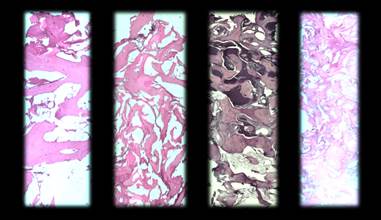
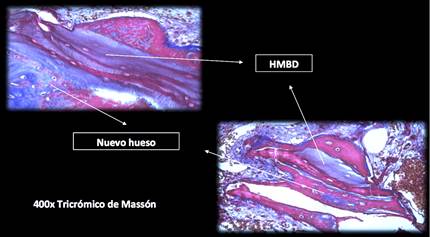
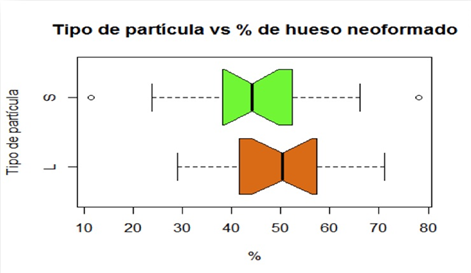
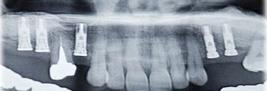
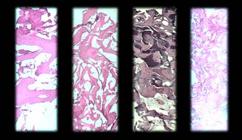
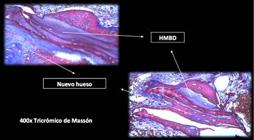
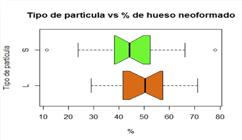
Abstract. The treatment of edentulous maxilla frequently faces limitations regarding bone availability in the posterior area. Sinus lift procedures have become a very useful tool to treat these cases. The use of deproteinized bovine bone mineral as an osteoconductive biomaterial is well documented. This split-mouth study evaluated bone formation in elevated sinuses in 20 patients who were randomly selected. The study compared two different particle sizes, S (0.25-1 mm) and L (1-2 mm). The histomorphometric analysis of the biopsies collected from implant placement sites showed 42.6% new bone, 42.5% non mineralized tissue and 14.4% of particles in the S group. The L group showed 47.2%, 38.3% and 13.7%, respectively. The Wilcoxon signed-rank test showed a P0.1454 value (0.5 significance), with no statistically significant difference between the two groups. No membrane perforations were observed during the osteotomy, and the implant survival rate was 100% after one year
Keywords:
sinus lift; deproteinized bovine bone mineral; histomorphology; piezoelectric surgery
 Thumbnail
 Thumbnail
 Thumbnail
 Thumbnail
 Thumbnail
 Thumbnail