Use of intravenous propofol for oral surgery in patients with autism spectrum condition: case report
Abstract
Introduction: Individuals with Autism Spectrum Condition (ASC) are considered patients with Special Health Care Needs (SHCN) and are particularly susceptible to experiencing dental anxiety, which complicates clinical management during dental care.
Case Report: This article presents the case of a 17-year-old patient with ASC who required multidisciplinary management with conscious sedation for the excision of an irritation fibroma on the buccal mucosa.
Conclusion: The use of intravenous propofol for conscious sedation in oral surgery offers benefits for the management and treatment of patients with SHN or dental anxiety. However, due to its technical complexity, need for specialized personnel, and higher cost, this technique should be considered only after less invasive approaches have been exhausted.
key words:
Conscious Sedation; Surgery Oral; Autism Spectrum Disorder; Propofol
Resumen
Introducción: Las personas con Condición del Espectro Autista (CEA) están considerados como pacientes con Necesidades Especiales en Salud (NES) quienes, además, son muy susceptibles a experimentar ansiedad dental complejizando el manejo clínico durante la atención odontológica.
Reporte de caso: Este artículo presenta el caso de un paciente CEA de 17 años, que requirió un manejo multidisciplinario con sedación consciente para la exéresis de un fibroma irritativo de mucosa yugal.
Conclusión: El uso de la sedación consciente en cirugía bucal con Propofol intravenoso presenta beneficios para el manejo y tratamiento de pacientes NES o con ansiedad dental. Sin embargo, esta técnica debiese considerarse como última opción tras agotar métodos menos invasivos, dada su complejidad técnica, necesidad de personal especializado y mayor costo.
Palabras claves:
Sedación Consciente; Cirugía Oral; Trastorno del Espectro Autista; Propofol
Resumo
Introdução: Pessoas com Condição do Espectro Autista (CEA) são consideradas pacientes com Necessidades Especiais de Saúde (NES), que também são muito suscetíveis a experimentar ansiedade odontológica, tornando o manejo clínico durante o atendimento odontológico mais complexo.
Relato de caso: Este artigo apresenta o caso de um paciente com CEA de 17 anos, que necessitou de tratamento multidisciplinar com sedação consciente para excisão de fibroma irritativo da mucosa bucal.
Conclusão: O uso de sedação consciente em cirurgia oral com Propofol intravenoso apresenta benefícios para o manejo e tratamento de pacientes com SCN ou com ansiedade odontológica. Contudo, esta técnica deve ser considerada como última opção após esgotar métodos menos invasivos, dada a sua complexidade técnica, necessidade de pessoal especializado e custo mais elevado.
Palavras-chave:
Sedação Sonsciente; Cirurgia Oral; Transtorno do Espectro Autista; Propofol
Introduction
Special Health Care Needs (SHCN) are, according to the American Academy of Pediatric Dentistry (AAPD), any physical, developmental, mental, sensory, behavioral, cognitive, or emotional condition that requires medical treatment, health care intervention, and/or the use of specialized services or programs. These include Autism Spectrum Disorder or Condition (ASD/ASC), defined as a chronic developmental disorder that can be improved with early diagnosis and treatment. It may present with features such as impaired comprehension or sensory disturbances (1.
According to a study by Tang et al., patients with ASC may be particularly vulnerable to dental anxiety. Approximately 70% of subjects experienced clinically significant dental anxiety, which may result in uncooperative behavior with the dentist and refusal to undergo dental examinations (2. Patients with dental anxiety or “dental phobia” often delay seeking dental care and only do so when symptomatic, such as in cases of severe toothache or abscesses. As a result, their conditions are often more extensive or severe. This creates a vicious cycle that reinforces or worsens their fear of dental care, leading to persistent avoidance. Additionally, these patients may have an altered pain threshold, which makes it difficult to detect discomfort early and further complicates dental treatment 3.
Sedation and general anesthesia may be helpful for individuals who cannot tolerate the discomfort of dental procedures, including those who experience anxiety or fear during treatment, patients with cognitive impairments or motor dysfunction, and children unable to manage physical stress 4. Among the available sedation options is Conscious Sedation (CS), which involves depressing the level of consciousness with medication to reduce patient anxiety and discomfort, thereby improving procedural outcomes. While under CS, patients are typically able to respond to verbal commands alone or in combination with light tactile stimulation. Cardiovascular function and spontaneous breathing are generally maintained, eliminating the need for airway management (5.
Background
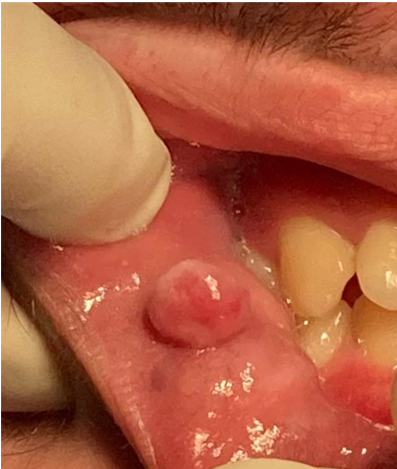
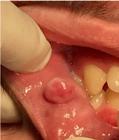
This is the case of a 17-year-old patient who was referred to the Maxillofacial Surgery Clinic from the Special Care Dentistry Clinic, both part of the Dental Clinic of the University of Chile (COUCh) in Santiago, Chile, for the excision of a tumorous lesion. All photographs were obtained with the informed consent of the patient’s legal guardian. The lesion was located on the inner surface of the right lip, had a round shape measuring 9 × 7 mm, with well-defined borders and a pedunculated base. It had been present for over two years and was clinically diagnosed as an irritative fibroma. The lesion affected the patient's speech and oral hygiene and had a notable biopsychosocial impact, as it was visible when the mouth was open (Fig. 1).
The patient’s legal guardian and the treating dentist at the Special Care Dentistry Clinic reported that the patient suffered from dentophobia. Therefore, prior anesthesiology evaluation was required, and the procedure had to be carried out under conscious sedation.
Description
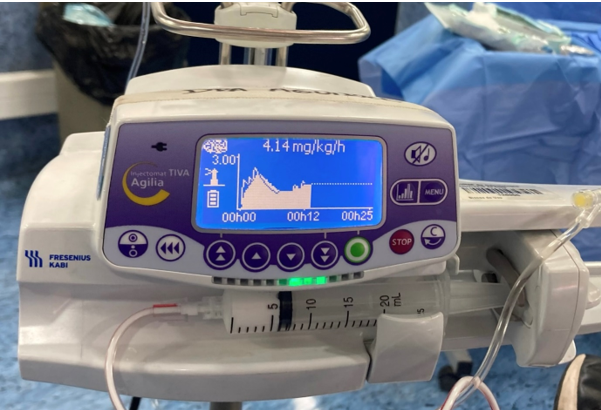
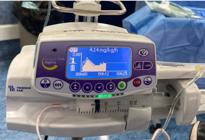
Intravenous propofol was administered using a Target-Controlled Infusion (TCI) pump at a rate of 4.14 mg/kg/hour (Fig. 2), with continuous monitoring of oxygen saturation via pulse oximetry, noninvasive blood pressure, and electrocardiogram. The procedure was performed under the constant supervision of an anesthesiologist, who was responsible for both the induction and maintenance of sedation. The patient also received 100% supplemental oxygen via a nasal cannula at 4 L/min throughout the entire procedure. Local anesthesia was administered using one cartridge of 1.8 mL of 2% lidocaine, taking care to avoid direct infiltration into the lesion.
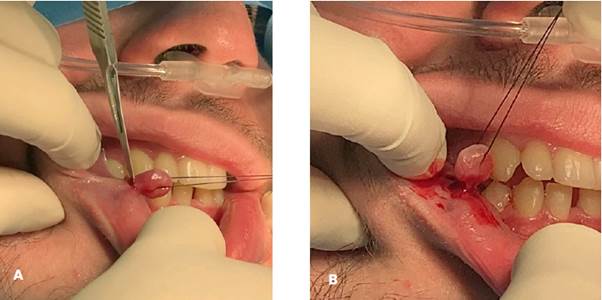
A 3-0 silk suture was used to apply traction on the tumor, allowing for complete excision of the lesion with a cold scalpel (Fig. 3). Following the excisional biopsy, the specimen was placed in a container with 10% buffered formalin for histopathological analysis.
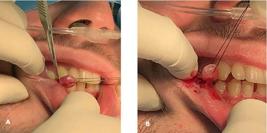
A) Traction using 3-0 silk suture and incision at the base of the lesion for excisional biopsy. B) Traction facilitates better identification of the lesion’s base.
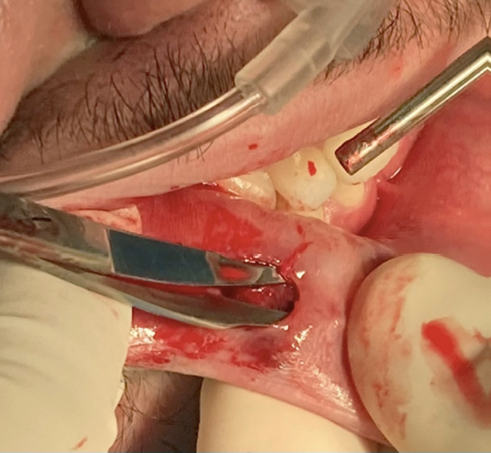
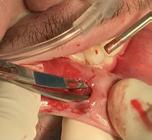
Subsequently, blunt dissection was performed on the surgical wound using Metzenbaum scissors to enable primary wound closure without tension (Fig. 4).
The histopathological study confirmed the clinical diagnosis of fibrous hyperplasia, also known as irritative fibroma.
Discussion
Conscious sedation (CS) aims to facilitate greater patient cooperation during extensive or potentially stressful outpatient procedures (4,6,7. A detailed personal and family medical history and a thorough physical examination are mandatory prerequisites. CS can be administered via various routes: oral, inhalation, intramuscular, or intravenous (8. The oral route is safe and cost-effective, ideal for patients with mild to moderate anxiety, though it lacks titration and has variable absorption. Inhalation sedation is beneficial for patients with needle phobia or an exaggerated gag reflex. However, it is expensive, less potent, and contraindicated in cases of obstructive sleep apnea (OSA) and pregnancy. Intravenous sedation is fast-acting and titratable but requires specialized equipment and a moderately cooperative patient (8,9.
Sedatives may inadvertently induce excessive sedation, leading to patients who do not awaken easily or who require interventions to maintain airway patency. For this reason, the presence of an anesthesiologist is essential, as they are trained to manage adverse events such as respiratory depression, blood pressure alterations, and hypoxia. Intravenous drug administration can be carried out through intermittent manual bolus titration or by using Target-Controlled Infusion (TCI) pumps. When planning conscious sedation, administration protocols should be individualized for each patient and, whenever possible, titration should be performed in small increments (10.
Among the drugs used for conscious sedation, benzodiazepines-such as midazolam and diazepam-are the most commonly employed due to their anxiolytic, amnesic, and sedative properties. The most frequent modality is intravenous administration of midazolam without combining it with other medications (11. Weight-adjusted intravenous midazolam has a rapid onset of action (2-4 minutes) and a short duration (approximately 60 minutes) (6,9. Diazepam, while less potent, may be used in patients with a history of cardiovascular disease. In cases of benzodiazepine overdose, flumazenil is indicated as an antidote (8. Dexmedetomidine provides sedation with minimal respiratory depression and allows faster recovery (12. Opioids, such as fentanyl and remifentanil, though effective analgesics, pose a considerable risk of respiratory depression (13,14. In pediatric patients, nitrous oxide (N₂O) is the preferred inhaled sedative, particularly for children and those with belonephobia; however, it is contraindicated in cases of COPD or pneumothorax (7,15.
Propofol is a short-acting, rapid-onset agent used for deep sedation, primarily in hospital settings or for general anesthesia. Administered intravenously, it induces sedation within approximately 30 seconds and offers a brief recovery time, making it suitable for most oral surgery procedures (13,14,16,17. TCI pumps enable precise sedation control but require the supervision of a trained anesthesiologist 5,17. Propofol produces dose-dependent central nervous system depression-ranging from mild sedation (at plasma concentrations of 0.5-2 mcg/mL) to deep hypnosis (>3 mcg/mL) 13,14,18. Its amnesic effects begin at plasma levels exceeding 1 mcg/mL (5,19,20. However, propofol carries significant risks, including cardiovascular and respiratory depression, and is contraindicated in patients with egg allergies due to its lecithin content. Additionally, prolonged or high-dose administration (exceeding 5 mg/kg/hour for more than 48 hours) can result in Propofol Infusion Syndrome, a rare but life-threatening condition characterized by rhabdomyolysis, severe metabolic acidosis, and renal or cardiac failure (15. Intravenous propofol has been reported as more effective than other pharmacological strategies for achieving conscious sedation in patients with ASC, although it is also associated with a higher rate of adverse effects (21.
In cases of complete lack of cooperation or more severe psychiatric conditions, General Dental Anesthesia (GDA) may be considered. While GDA offers optimal conditions for treatment, it should be reserved for extensive or complex procedures. Schabl et al. evaluated the use of GDA in adult patients with psychiatric disorders and intellectual or physical disabilities (IPD)-including patients with ASC-and found a higher demand for GDA among those with IPD 4,22. In pediatric patients, GDA is recommended not solely based on procedure duration (e.g., over three hours), but primarily based on the individual characteristics of the patient and their ability to tolerate the intervention 23. In this case, although general anesthesia would have ensured optimal treatment conditions, it was deemed unnecessary given the low complexity of the procedure. Conscious sedation was indicated due to the patient’s prior lack of cooperation during dental care (14.
CS and GDA are valuable tools in dentistry and oral surgery, especially for patients with special needs. However, their use must be justified and tailored to each case, always prioritizing patient safety, involving a trained multidisciplinary team, and carefully weighing the costs and benefits of these interventions. These techniques should not be considered first-line options, but rather reserved for situations where less invasive alternatives are not feasible. There are cases, such as the one presented in this article, that warrant the use of CS for dental or maxillofacial surgery. In this instance, it was necessary to excise a lesion that was impairing proper nutrition, communication, and psychosocial development in a non-cooperative patient with additional care requirements (ASC). The challenges encountered in delivering dental care to children with ASC underscore the need for further research on conscious sedation, as it is well known that children with ASC often struggle to receive dental care due to limited cooperation skills, reducing their chances of accessing effective dental treatment 24.
Conclusion
Conscious sedation is an effective tool in the dental management of patients with Special Health Care Needs (SHCN), such as those with an Autism Spectrum Condition, who may experience severe dental anxiety and have difficulty cooperating. However, it should not be the first therapeutic option due to its technical complexity, the increased need for staff and equipment, and the associated higher cost. Its use must be carefully assessed by a multidisciplinary team, ideally involving a dental surgeon experienced in these cases and an anesthesiologist. A multidisciplinary approach is essential to optimize the management of these patients, always placing their overall well-being at the forefront.
References
- 1 Kra¨mer-Strenger SM, Valle-Maluenda M. Atención odontológica de personas en situacio´n de discapacidad que requieren cuidados especiales en salud: manual de cuidados especiales en odontologi´a. Kra¨mer Strenger SM, Valle Maluenda M, editors. Santiago: Universidad de Chile. Facultad de Odontología, Servicio Nacional de Discapacidad-Senadis; 2015.
- 2 Allely CS. Pain sensitivity and observer perception of pain in individuals with autistic spectrum disorder. Scientific World Journal. 2013 Jun 13;2013:916178.
- 3 Tang SJ, Wei HL, Li CY, Huang MN. Management strategies of dental anxiety and uncooperative behaviors in children with Autism spectrum disorder. BMC Pediatr (Internet). 2023 Dec ;23(1).
- 4 Wang YC, Lin IH, Huang CH, Fan SZ. Dental anesthesia for patients with special needs. Acta Anaesthesiol Taiwan. 2012 ;50(3):122-5.
- 5 Li Y, Picheca L. Target-Controlled Infusion with Propofol and Remifentanil for Moderate Procedural Sedation in Medicine and Dentistry: A Review of Clinical Effectiveness, Cost-Effectiveness, and Guidelines. Ottawa (ON): Canadian Agency for Drugs and Technologies in Health; 2020 Nov 10. PMID: 33523613.
- 6 Southerland JH, Brown LR. Conscious Intravenous Sedation in Dentistry: A Review of Current Therapy. Dent Clin North Am (Internet). 2016 Apr 1;60(2):309-46.
- 7 Stronczek MJ. Determining the appropriate oral surgery anesthesia modality, setting, and team. Oral Maxillofac Surg Clin North Am (Internet). 2013 Aug;25(3):357-66.
- 8 Kapur A, Kapur V. Conscious Sedation in Dentistry. Ann Maxillofac Surg. 2018; 8(2):320-3.
- 9 Harbuz D, O'Halloran M. Techniques to administer oral, inhalational, and IV sedation in dentistry. Australas Med J. 2016 Feb 29;9(2):25-32.
- 10 Hanna M, Chen P, Clarkson E. Update on Medications for Oral Sedation in the Oral and Maxillofacial Surgery Office. Oral Maxillofac Surg Clin North Am. 2022 Feb 1;34(1):9-19.
- 11 Nayani-Low S, Patel J. Safe intravenous sedation for oral surgery in a primary care setting. Prim Dent J (Internet). 2022 Sep 1;11(3):46-52.
- 12 Sivasubramani S, Pandyan D, Ravindran C. Comparision of Vital Surgical Parameters, after Administration of Midazolam and Dexmedetomidine for Conscious Sedation in Minor Oral Surgery. Ann Maxillofac Surg. 2019 Jul 1;9(2):283-8.
- 13 Rang HP, Dale MMaureen, Ritter JM, Flower RJ, Henderson G. Rang y Dale: farmacologi´a. 7a. ed. Rang HP, Dale MMaureen, Ritter JM, Flower RJ (Rod J), Henderson G, editors. Barcelona: Elsevier; 2012.
- 14 Giovannitti JA. Pharmacology of intravenous sedative/anesthetic medications used in oral surgery. Oral Maxillofac Surg Clin North Am (Internet). 2013 Aug;25(3):439-51.
- 15 Zanelli ME, Volpato LER, Ortega AL, Borges ÁH, Aranha AMF. Nitrous oxide for dental treatment in patients with infantile autism: a literature review. RSBO (Online). 2015;12(2):202-8.
- 16 Fiorillo L. Conscious Sedation in Dentistry. Medicina (B Aires) (Internet). 2019 Dec 1;55(12).
-
17 Ruiz K, Coldwell SA, Hitchin N, Dresner-Black E. Propofol Sedation in General Dental Practice: The First 100 Patients. https://doi.org/1012968/denu200027116. 2017 May 23;27(1).
» https://doi.org/1012968/denu200027116 - 18 Rivera Brenes R. Sedación y analgesia: una revisión. Acta Pediátrica Costarricense. 2002;16(1):06-21.
- 19 Galeotti G. Farmacocinética del propofol en infusión. 2009;67(2).
- 20 Haberer JP. Propofol: farmacodinámica y uso práctico. EMC - Anestesia-Reanimación. 2021 Jan 1;47(1):1-91.
- 21 Zupin L, Sahyoun C, Krauss B, Dagri A, Rocco EM, Barbi E, et al. Effectiveness of pharmacological procedural sedation in children with autism spectrum disorder: A systematic review and meta-analysis. Acta Paediatr. 2024 Nov 1;113(11):2363-77.
- 22 Schnabl D, Guarda A, Guarda M, von Spreckelsen LMI, Riedmann M, Steiner R, et al. Dental treatment under general anesthesia in adults with special needs at the University Hospital of Dental Prosthetics and Restorative Dentistry of Innsbruck, Austria: a retrospective study of 12 years. Clin Oral Investig. 2019 Nov 1;23(11):4157-62.
- 23 Campbell RL, Shetty NS, Shetty KS, Pope HL, Campbell JR. Pediatric Dental Surgery Under General Anesthesia: Uncooperative Children. Anesth Prog. 2018 Dec 1 65(4):225-30.
- 24 Logrieco MGM, Ciuffreda GN, Sinjari B, Spinelli M, Rossi R, D'Addazio G, et al. What Happens at a Dental Surgery When the Patient is a Child with Autism Spectrum Disorder? An Italian Study. J Autism Dev Disord. 2021 Jun 1;51(6):1939-52.