CAVEOLIN-1: pathological and physiological implications
Abstract
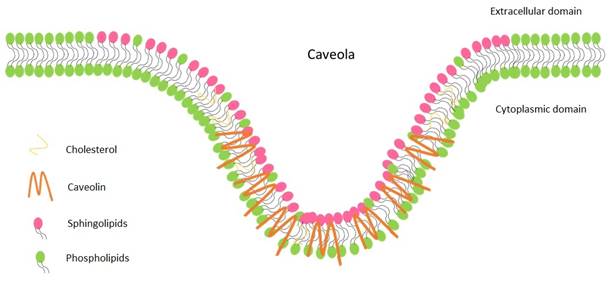
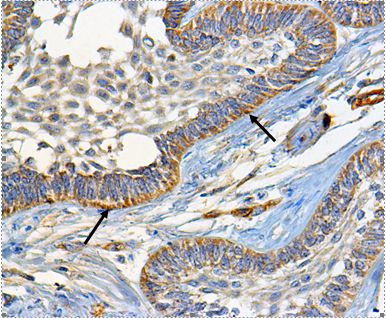
Caveolae are plasma membrane invaginations formed by proteins called caveolins. Of the three caveolin isoforms, the most studied one through years has been caveolin-1 (cav-1), which has an important role in cell signaling, and its gene, CAV-1, is part of the family of tumor suppressor genes. As its role depends on the context, the participation and function of cav-1 in tumors is complex and remains controversial. Cav-1 interacts with a series of receptors and molecules that regulate the initial steps of cellular transformation to malignity. It also participates in the cell cycle, angiogenesis, extracellular matrix remodeling, cell proliferation, among other processes. The study of this molecule is important due to its function as a biomarker associated to the diagnosis, prognosis and therapeutic target in pathological processes.
Keywords:
caveolae; tumor suppression, cell signaling, MMPs
 Thumbnail
 Thumbnail