Influence of ancestry on the morphology of the dental arch: A comparative study between Amerindian, Euro-descendant, and admixed populations using geometric morphometrics.
Background: Previous studies have described various dental arch shapes among different human groups, underscoring the importance of considering ancestry in the diagnosis and planning of dental treatments.
Objective: To compare the shape and size of dental arches among Chile’s admixed population and its ancestral populations.
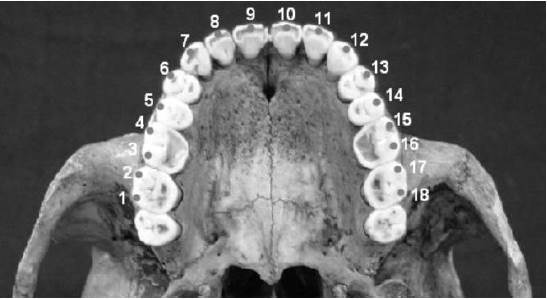
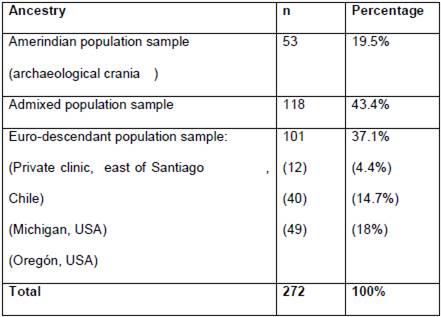
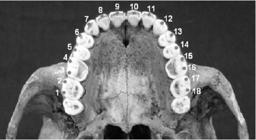
Methodology: An analytical observational study using geometric morphometric tools was conducted on 272 individuals of Amerindian, admixed, and European ancestry.
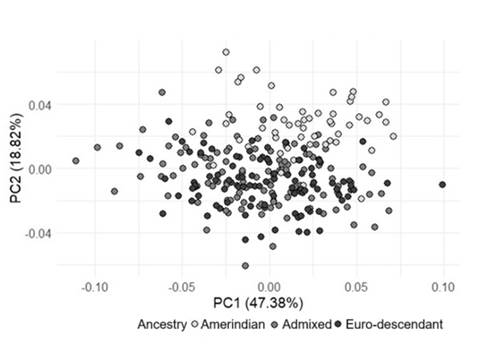
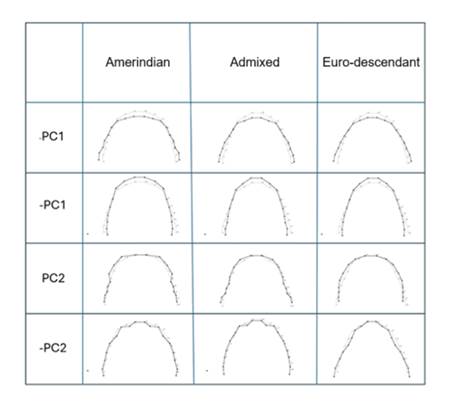
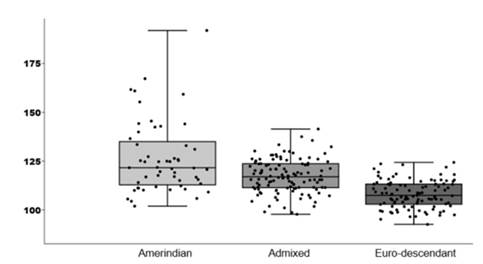
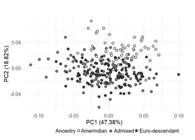
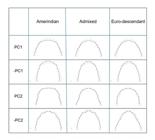
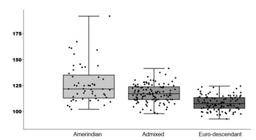
Results: The analyses revealed a clear distinction in arch shape between Amerindian and Euro-descendant individuals (correct classification by DFA > 87%). In contrast, the dental arches of admixed individuals did not differ significantly from those of Euro-descendants. Regarding centroid size, individuals of Amerindian ancestry exhibited the largest arches (126.50 ± 18.36 mm), followed by the admixed group (117.32 ± 8.58 mm), and finally the Euro-descendant group (108.03 ± 7.10 mm).
Conclusions: The Chilean admixed population presents a dental arch shape that does not significantly differ from that of Eurodescendants and a size similar to that of Amerindians.
Palabras clave:
Arco dental; grupo de ascendencia continental nativa americana; grupo de ascendencia continental europea
 Thumbnail
 Thumbnail
 Thumbnail
 Thumbnail