Oxidative stress in saliva induced by tobacco smoke: impact on periodontitis and perspectives with redox pharmacology
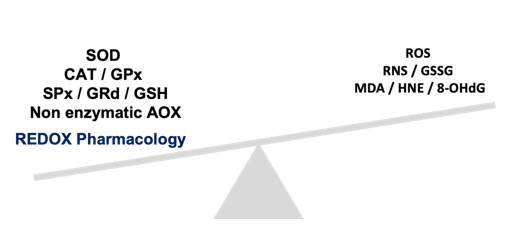
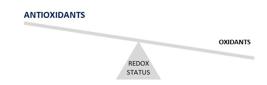
Numerous reports demonstrate the presence of oxidative stress biomarkers in the saliva of smokers and there is a growing interest in correlating these molecular processes with the etiology of some oral diseases, such as periodontitis, a chronic immunoinflammatory disease related to an imbalance of cellular redox homeostasis.
Aims: Achieve a narrative review on the relationship between the decrease in salivary antioxidant capacity induced by tobacco smoke, periodontitis, and the potential use of redox pharmacology for the treatment of this pathology.
Methods: A bibliographic search was carried out in databases such as PUBMED (NLM, NIH, NCBI) and SciELO.
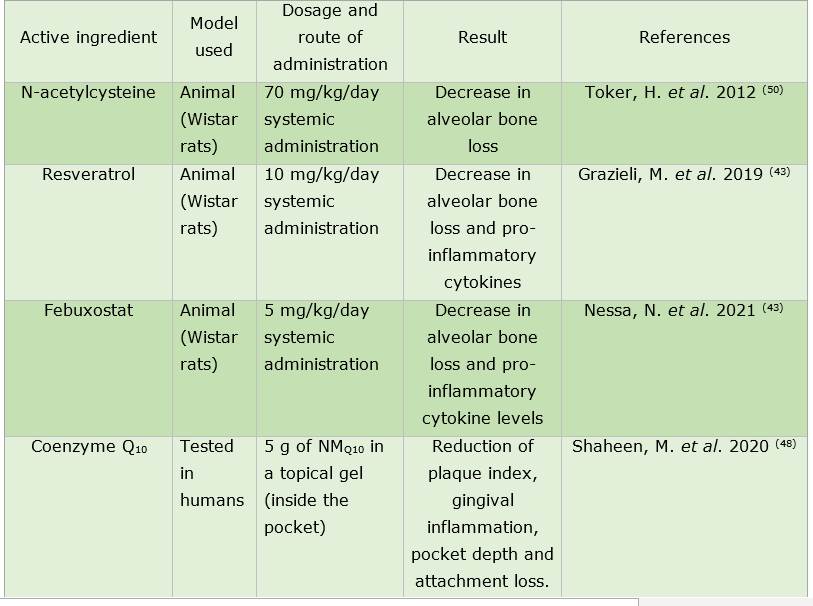
Results: There is evidence that relates the low salivary antioxidant capacity with a delay in the reestablishment of normal conditions in the oral cavity before the development of periodontitis. In turn, the associated inflammatory state collaborates synergistically, causing greater tissue damage with loss of dental support tissues, a phenomenon that could be modulated by the action of redox pharmacology.
Conclusions: Intervention with redox pharmacology could attenuate the biomarkers of periodontal disease progression, constituting a promising tool to be used in conjunction with traditional treatment strategies.
Keywords:
cigarette smoke; oxidative stress; periodontal disease; saliva; redox medicine; periodontitis
 Thumbnail
 Thumbnail
 Thumbnail
 Thumbnail
 Thumbnail