Use of local anesthetics with vasoconstrictor agents in hypertensive patients: a literature review
Arterial hypertension is a chronic cardiovascular disease with a high global prevalence and constitutes a public health issue in Uruguay. The use of vasoconstrictors in hypertensive patients continues to be debated in dentistry due to controversies regarding their safety. Objectives: This review evaluates the impact of using local anesthetics with vasoconstrictors in hypertensive patients, analyzing potential adverse effects and factors influencing the safety and effectiveness of dental treatment.
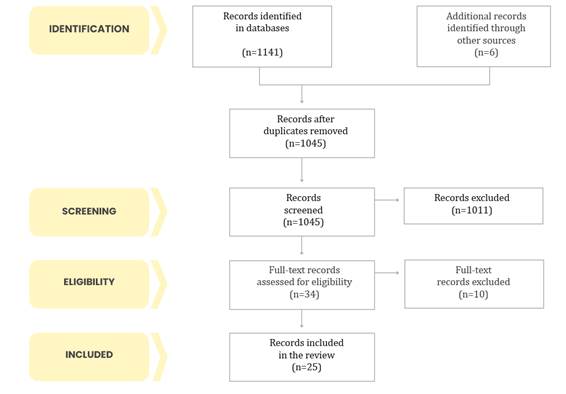
Methodology: A literature review was conducted by consulting databases such as PubMed, SciELO, BVS-Odontología (UdelaR), and Google Scholar. The search covered publications from 2014 to October 2024 in English, Spanish, and Portuguese. After applying selection criteria, 25 bibliographic sources were included in this article.
Results: The most commonly used vasoconstrictor is epinephrine, with a maximum recommended dose of 0.04 mg for hypertensive patients to minimize associated risks and ensure safer administration; the importance of a thorough cardiovascular assessment before its use is highlighted.
Conclusions: The available evidence indicates that the use of local anesthetics containing epinephrine at concentrations up to 0.04 mg is justified in patients with controlled hypertension classified as ASA II. Further clinical and laboratory studies are necessary to reinforce and confirm the evidence presented.
Keywords:
arterial hypertension; local anesthesia; dental management; epinephrine.
 Thumbnail