Use of local anesthetics with vasoconstrictor agents in hypertensive patients: a literature review
Abstract
Arterial hypertension is a chronic cardiovascular disease with a high global prevalence and constitutes a public health issue in Uruguay. The use of vasoconstrictors in hypertensive patients continues to be debated in dentistry due to controversies regarding their safety. Objectives: This review evaluates the impact of using local anesthetics with vasoconstrictors in hypertensive patients, analyzing potential adverse effects and factors influencing the safety and effectiveness of dental treatment.
Methodology: A literature review was conducted by consulting databases such as PubMed, SciELO, BVS-Odontología (UdelaR), and Google Scholar. The search covered publications from 2014 to October 2024 in English, Spanish, and Portuguese. After applying selection criteria, 25 bibliographic sources were included in this article.
Results: The most commonly used vasoconstrictor is epinephrine, with a maximum recommended dose of 0.04 mg for hypertensive patients to minimize associated risks and ensure safer administration; the importance of a thorough cardiovascular assessment before its use is highlighted.
Conclusions: The available evidence indicates that the use of local anesthetics containing epinephrine at concentrations up to 0.04 mg is justified in patients with controlled hypertension classified as ASA II. Further clinical and laboratory studies are necessary to reinforce and confirm the evidence presented.
Keywords:
arterial hypertension; local anesthesia; dental management; epinephrine.
Resumen
La hipertensión arterial es una enfermedad cardiovascular crónica de alta prevalencia a nivel mundial y representa un problema de salud pública en Uruguay. El uso de vasoconstrictores en pacientes hipertensos sigue siendo un tema de debate en odontología debido a la controversia sobre su seguridad.
Objetivos: Esta revisión evalúa el impacto del uso de anestésicos locales con vasoconstrictores en pacientes hipertensos, analizando posibles efectos adversos y factores que influyen en la seguridad y eficacia del tratamiento odontológico.
Metodología: Se realizó una revisión de la literatura mediante la consulta de bases de datos, incluyendo PubMed, SciELO, BVS-Odontología (UdelaR) y Google Scholar. La búsqueda abarcó publicaciones desde 2014 hasta octubre de 2024, en inglés, español y portugués. Tras aplicar los criterios de selección, se incluyeron un total de 25 textos bibliográficos para la elaboración de este artículo. Resultados: El agente vasoconstrictor más utilizado es la epinefrina, bajo una dosis máxima recomendada de 0.04 mg para pacientes hipertensos, para minimizar los riesgos asociados y garantizar una administración más segura, enfatizando la importancia de una evaluación cuidadosa del estado cardiovascular del paciente antes de su administración.
Conclusiones: La evidencia disponible apunta a que estaría justificado el uso de anestésicos locales hasta con una concentración de epinefrina de 0.04mg en pacientes con hipertensión arterial controlada ASA II. Es necesario continuar realizando estudios clínicos y de laboratorio específicos para asegurar y reafirmar la evidencia presentada.
Palabras clave:
hipertensión arterial; anestesia local; manejo odontológico; epinefrin
Resumo
A hipertensão arterial é uma doença cardiovascular crônica de alta prevalência global e representa um problema de saúde pública no Uruguai. O uso de vasoconstritores em pacientes hipertensos continua sendo um tema debatido na odontologia devido às controvérsias sobre sua segurança.
Objetivos: Esta revisão avalia o impacto do uso de anestésicos locais com vasoconstritores em pacientes hipertensos, analisando possíveis efeitos adversos e fatores que influenciam a segurança e a eficácia do tratamento odontológico.
Metodologia: Foi realizada uma revisão da literatura por meio da consulta a bases de dados como PubMed, SciELO, BVS-Odontologia (UdelaR) e Google Scholar. A busca abrangeu publicações de 2014 até outubro de 2024, em inglês, espanhol e português. Após a aplicação dos critérios de seleção, um total de 25 textos bibliográficos foram incluídos neste artigo.
Resultados: O vasoconstritor mais utilizado é a epinefrina, com uma dose máxima recomendada de 0.04 mg para pacientes hipertensos, a fim de minimizar os riscos associados e garantir uma administração mais segura. Os achados ressaltam a importância de uma avaliação cardiovascular cuidadosa antes do seu uso.
Conclusões: As evidências disponíveis sugerem que o uso de anestésicos locais com concentração de epinefrina de até 0,04 mg é justificado em pacientes com hipertensão arterial controlada, classificados como ASA II. É necessário continuar realizando estudos clínicos e laboratoriais específicos para assegurar e reforçar a evidência apresentada.
Palavras-chave:
hipertensão arterial; anestesia local; manejo odontológico; epinefrina.
Introduction
Arterial hypertension (AHT) is a chronic, multifactorial disease with a high global prevalence (30%), particularly in the adult population. It is considered a public health issue due to its role as a major risk factor in the development of cardiovascular diseases 1-6. In Uruguay, this condition is the leading cause of morbidity and mortality, with a prevalence of 36.6%, according to the 2nd National Survey of Noncommunicable Diseases, which also reported that 58% of hypertensive adults are unaware of their diagnosis 7.
AHT is clinically defined as a sustained elevation of systolic blood pressure measured on multiple occasions, on different days, and under proper resting conditions (8. The international clinical guidelines of the American College of Cardiology (ACC) and the American Heart Association (AHA), last updated in 2017 and still in force in 2025, classify hypertension into grades based on blood pressure levels (8. (Table 1).
Complications from sustained AHT affect multiple target organs. At the cardiac level, it can lead to left ventricular hypertrophy, which may progress to heart failure with preserved or reduced ejection fraction, as well as angina pectoris or acute myocardial infarction. In the central nervous system, it increases the risk of ischemic or hemorrhagic stroke. It can also cause vascular sclerosis, hypertensive retinopathy, chronic nephropathy, and end-stage renal disease 8.
In dentistry, the management of patients with AHT poses a challenge, particularly for professionals unfamiliar with updated management protocols. Given the magnitude of these findings, it is essential for dentists to have a thorough understanding of the care and management of hypertensive patients to ensure the highest quality of treatment. Local anesthesia (LA) is one of the most frequently used tools in dentistry for pain control during clinical procedures 9-11. However, the presence of vasoconstrictor agents (VC) in these anesthetics may produce systemic effects that require caution in hypertensive patients. Thus, careful assessment prior to administration is essential 10.
This study aims to review and analyze the available scientific evidence on VC agents and their use in hypertensive patients, providing a theoretical framework that enables dentists to treat these cases safely and effectively.
Materials and Methods
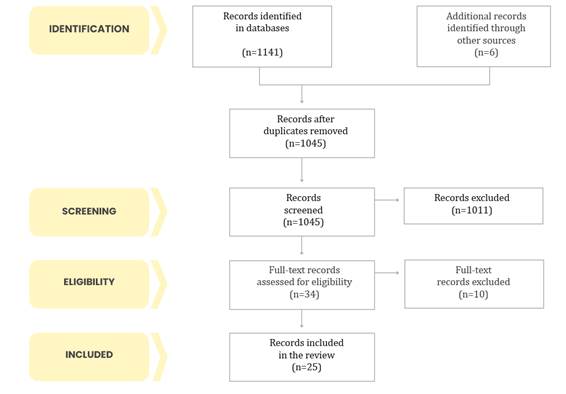
A literature review was conducted in the databases PubMed, SciELO, BVS-Odontología (UdelaR), and Google Scholar. The search covered publications from 2014 to October 2024 in English, Spanish, and Portuguese. Initially, approximately 1147 texts were retrieved (Figure 1). Records related to other cardiovascular diseases, general anesthetics, or written in languages other than Spanish, English, or Portuguese were excluded. The full texts of the selected records were obtained and critically reviewed. In the end, a total of 25 bibliographic sources were included for the preparation of this article.
Local Anesthetics
LAs are drugs that reversibly block nerve impulse conduction when they come into contact with nerve fibers, creating a barrier between the impulse and the control center. In this way, LAs act to control pain, which explains their widespread use in various dental treatments 12.
LAs act on both the central nervous system (CNS) and the cardiovascular system (CVS), crossing the blood-brain barrier. At low concentrations, they do not produce adverse effects, but in overdose they may cause neurological symptoms such as seizures, muscle spasms, dizziness, disorientation, and, in extreme cases, death 12-14. In the CVS, the effects of LAs depend on the administered dose. At therapeutic doses, they may not alter blood pressure or may cause only a slight increase. However, in overdose, they can induce secondary hypertension, reduced cardiac output, increased peripheral vascular resistance, and decreased myocardial contractility. These effects require special attention in hypertensive patients (12,14.
LAs are classified as amides or esters, according to their chemical structure, which determines their solubility and metabolism 9. Amides are water-soluble and metabolized in the liver without producing para-aminobenzoic acid (PABA), a compound associated with allergic reactions. The most commonly used include lidocaine, mepivacaine, prilocaine, articaine, and bupivacaine (9. Esters, which are not currently used in Uruguay, are hydrolyzed in plasma and generate PABA as a by-product, which may cause adverse reactions such as dermatitis and tissue necrosis. Examples include tetracaine, procaine, benzocaine, and cocaine (9, 12).
Properties of local anesthetics
LAs must comply with international standards to ensure their safety and efficacy in humans. They should be non-irritant and non-neurotoxic, and their systemic toxicity must remain minimal, allowing optimal action without the need for excessive doses that could lead to overdose 9. All LAs have vasodilatory properties, which may lower blood pressure and affect both their duration and efficacy. Their potency should be sufficient to achieve effective anesthesia without triggering adverse reactions, while their latency should be short and their effect long enough to complete the procedure without causing postoperative discomfort (10, 14). Local anesthetics most commonly used in dentistry are shown in table 2.
The duration of action of LAs depends on pharmacological factors such as liposolubility, protein affinity, and tissue diffusion capacity. The pKa, which reflects the balance between the ionized and non-ionized forms of the drug, directly influences the speed of onset: lower pKa values are usually associated with a faster onset (9, 10, 14).
Both the pH of the anesthetic solution and the tissue pH affect the efficacy of the nerve block (9. In inflamed or infected areas, tissue pH decreases 5-6, reducing LA effectiveness. Likewise, repeated infiltrations may alter the injection site, further acidifying the medium due to the action of the LA itself (14. In addition, LAs with VCs, such as epinephrine, are acidified to prevent oxidation (pH ~3.5), which may cause a burning sensation and increase latency (10, 12, 14).
After infiltration, vasodilation produces:
-Increased systemic absorption, reducing the local concentration of the LA.
-Elevated plasma levels, increasing the risk of toxicity.
-Decreased efficacy, lowering the depth and duration of the block.
-Increased bleeding, hindering visibility during dental procedures.
Therefore, the association of VCs with LAs is essential to counteract vasodilation and enhance their clinical effectiveness (10, 12, 14).
Vasoconstrictor agents
VCs are drugs capable of promoting blood vessel contraction to regulate vascular perfusion. These compounds are added to anesthetic solutions to balance the intrinsic vasodilation of anesthetic salts (14, 15). So, VCs incorporation allows (14-16:
-
Decreased blood flow, facilitating better localization of the anesthetic at the administration site.
-
Slower absorption, reducing the rate at which LAs enter the CVS.
-
Lower risk of toxicity, since reduced absorption diminishes toxic potential.
-
Prolonged duration of action, as LAs remain active for longer periods, increasing effectiveness.
-
Bleeding control, which is particularly useful when increased bleeding is anticipated at the surgical site.
In summary, the use of LAs with VCs counteracts the vasodilatory effect of LAs, reduces systemic absorption, extends duration, increases anesthetic depth, and decreases toxicity, thereby improving hemostatic control (10, 14, 17).
At the time of writing (April 2025), only adrenaline is available in Uruguay as a vasoconstrictor agent.
Types of vasoconstrictor agents
Epinephrine
Epinephrine is the most widely used VC in dentistry. It is a catecholamine with non-selective adrenergic action. Its main role is to enhance the depth and duration of the anesthetic effect by reducing the diameter of peripheral blood vessels through stimulation of alpha-1 receptors. It also stimulates beta-1 receptors, increasing heart rate and blood pressure, and beta-2 receptors, causing vasodilation in certain tissues (2, 12, 16). It is available in concentrations ranging from 1:50,000 to 1:300,000. Its effect on blood pressure depends on the dose:
-
Low doses: increase systolic blood pressure (SBP) and decrease diastolic blood pressure (DBP).
-
High doses: Increase both SBP and DBP.
For healthy patients, the maximum recommended dose is 0.2 mg, while for patients with cardiovascular disease it is 0.04 mg. Therefore, it is considered safe to administer up to two cartridges of LA with epinephrine 1:100,000 in patients with controlled hypertension. However, higher doses may induce arrhythmias, tachycardia, and hypertensive crises, so its use is relatively contraindicated in uncontrolled or severe hypertension (2, 9, 13, 18, 19).
By way of comparison, epinephrine concentrations in medical emergencies are much higher: 1:1000 for anaphylaxis and 1:10,000 for cardiorespiratory arrest. Thus, the amount present in LAs is low, and the risk of adverse effects is usually more closely related to patient stress and anxiety than to the drug itself (2, 15).
Felypressin
Derived from vasopressin, felypressin has a weaker vasoconstrictor effect than epinephrine but a longer duration of action. It does not act on the myocardium, making it a safer option for certain patients at cardiovascular risk. However, it may increase blood pressure due to its action on peripheral vascular resistance (2, 12, 17).
Levonordefrin
Levonordefrin is a synthetic isomer with six times lower efficacy than epinephrine, which is why it is used in a higher concentration (1:20,000) in association with mepivacaine. Its action is predominantly alpha-adrenergic (75%), with a lesser beta effect (25%), leading to an increase in heart rate and cardiac output (12, 17, 20). Its use is not currently recommended.
Vasoconstrictors no longer in use
Norepinephrine was previously used in association with procaine and propoxycaine, but its potency was about 75% lower than that of epinephrine 12. Phenylephrine, found in 4% procaine anesthetics (1:20,000), also had considerably low potency (12.
Dental management
A detailed medical history is essential to evaluate the patient’s health status, detect potential risks, and identify the presence of cardiovascular disease (1, 8, 10). In addition, interdisciplinary communication with the treating physician is key to preventing complications (16, 21). The protocol of the American Society of Anesthesiologists (ASA) allows patients to be classified according to physical condition and risk, and it has been applied in dental practice from its beginnings to the present (9, 11). From a dental perspective, hypertensive patients are generally considered ASA II (controlled hypertension) or ASA III (moderate hypertension or with comorbidities), and should therefore be carefully evaluated prior to invasive procedures.
In patients with persistently elevated blood pressure values (above 180/110 mmHg) or with signs of acute decompensation, any elective procedure should be postponed, a medical consultation should be requested, and in case of emergency, the least invasive approach should be chosen to minimize the risk of a hypertensive crisis (11, 13,22.
The use of LA with VCs, combined with the anxiety experienced at the time of consultation, can raise blood pressure due to the release of exogenous and endogenous catecholamines (23. For this reason, it is essential to establish a trusting relationship with the patient, apply pain control strategies, and design an individualized treatment plan that promotes the patient’s psychological and social well-being (1, 2, 6, 11). It is also crucial to prevent accidental intravascular injections by performing repeated negative aspiration tests during anesthetic administration. Negative aspiration prior to LA injection, especially for inferior alveolar nerve block, is a fundamental safety measure. Its main purpose is to avoid inadvertent intravascular administration, which is associated with a higher risk of systemic adverse effects. To achieve this, the technique must consider the orientation of the needle bevel, correct identification of anatomical structures, secure fixation of the anesthetic cartridge, and gentle retraction of the syringe plunger for 2 to 5 seconds to check for blood return.
In patients with AHT, it is recommended to monitor blood pressure before the procedure and remain alert to sudden variations that may require intervention or treatment suspension 24. Measuring blood pressure helps establish a baseline of the patient’s hemodynamic status, allowing early detection of deviations that may compromise stability during care. Blood pressure should also be reassessed if the procedure lasts longer than 30 minutes or if the patient shows clinical signs of decompensation. Incorporating this systematic practice not only increases treatment safety but also supports more precise and personalized clinical decision-making 24.
Discussion
The use of LAs with VCs -especially epinephrine- in patients with AHT remains a controversial issue in dental practice. According to Marinkovic et al. 17 and Seminario Amez et al. 2, epinephrine is the most commonly used VC, and its administration at 1:100,000 in combination with an LA is safe in controlled hypertensive patients. Alan García Essado 15 supports this in a comparative study evaluating blood pressure changes before and after administering LA with epinephrine for extractions. His research included 65 patients aged 20-60 years with controlled hypertension, compared with a group of healthy individuals, who received 1 to 3 cartridges of 2% mepivacaine with epinephrine 1:100,000. No significant changes in SBP or DBP were observed, suggesting that the use of LAs with VCs does not represent a significant cardiovascular risk when due precautions are taken.
However, other studies have identified possible interactions between epinephrine and certain antihypertensive drugs, such as beta-blockers, which could raise blood pressure or reduce the efficacy of some antihypertensives, underscoring the need for individualized assessment (16, 19). In this sense, alternatives such as lidocaine or mepivacaine without a VC have been suggested for specific cases.
Chávez et al. 4 showed that using LA with a VC not only reduces pain and bleeding but may also contribute to a slight decrease in SBP. Nevertheless, their meta-analysis found no significant differences in anxiety, arrhythmia, or heart rate between patients receiving LAs with and without VCs. Likewise, Calderón et al. (12 determined that LAs with VCs are safe in patients with mild or moderate controlled hypertension, recommending a maximum dose of 0.04 mg of epinephrine.
Regarding anesthetic choice, Mundiya et al. 9) suggest that mepivacaine with a VC is the best option for patients with cardiovascular disease, whereas Calistro et al. 1) argue that all LAs with VCs can be used safely in hypertensive patients. Manríquez et al. 21) found no significant differences in hemodynamic parameters between normotensive and hypertensive patients after administration of articaine with epinephrine. Chávez et al. (4) concluded that epinephrine at 1:100,000 is adequate for surgical procedures, while 1:200,000 can be used for other procedures. They argue that LAs without a VC have a shorter duration of action, which may induce pain and increase the release of endogenous catecholamines, generating adverse cardiovascular effects.
Quiñonez 10 also notes that the VC content in LAs is insufficient to cause significant cardiovascular alterations, reaffirming their safety in hypertensive patients. However, Seminario Amez et al. 2 emphasize the lack of studies in patients with uncontrolled AHT or severe cardiovascular disease, limiting the generalizability of these findings.
Emotional factors such as stress, anxiety, and fear have been identified as capable of altering blood pressure and affecting anesthetic management. Nascimento et al. 6) and García Essado 15) observed notable preoperative blood pressure variation during dental surgeries, attributed to stress and anxiety, although without constituting a significant cardiovascular risk. Boff and Palma 25) evaluated blood pressure in 50 patients before and after a dental procedure and found that 28% had pre-treatment alterations, suggesting that stress and anxiety play a key role in the hemodynamic response. Similarly, Calistro et al. 1) highlight that fear and anxiety can raise blood pressure before and during the dental procedure. Silvestre et al. 24 conducted an experimental study in 159 patients undergoing dental extractions and dental hygiene, finding that SBP and DBP remained stable after anesthesia with a VC; however, they observed a slight increase in heart rate in anxious patients, without clinically relevant changes.
The use of LAs with VCs in patients with hypertension remains complex and subject to different perspectives within dental practice. While several studies support the safety of epinephrine at 1:100,000 in controlled hypertensive patients, others point to the importance of assessing each patient individually, especially when interactions with antihypertensive medications or underlying cardiovascular disease are present. Despite variability across studies, most agree that in controlled patients, the use of LAs with VCs does not appear to pose a significant cardiovascular risk, provided appropriate dosing and management guidelines are followed.
However, uncertainties remain in the discussion, particularly concerning patients with uncontrolled hypertension or severe cardiovascular disease, where conclusive data are still lacking. The impact of emotional factors such as stress and anxiety should also be taken into account in the management of these patients, as they may induce hemodynamic variations that complicate blood pressure control. This underscores the need for a personalized and cautious approach, considering both the clinical conditions and the emotional responses of the patient.
Conclusion
The available evidence suggests that, in ASA II patients with controlled arterial hypertension, the use of local anesthetics with epinephrine up to a total epinephrine dose of 0.04 mg is justified. When the recommended doses are respected and negative aspiration tests performed, LAs with epinephrine have demonstrated advantages over anesthetics without a VC, including better analgesia and reduced bleeding.
However, the hemodynamic response depends not only on the LA used but also on emotional factors such as stress and anxiety. These can influence blood pressure and procedural safety. Therefore, the clinician should implement stress-management strategies, effective communication, and pain control to improve the patient experience and optimize clinical outcomes.
References
- 1 Calistro LC, Tinoco EJF, Alcolumbre SB, Paraguassu EC, Voss D. Dental care in hypertensive patients: systematic review. Braz J Implantol Health Sci. 2019 Nov 26;1(6):152-68.
- 2 Seminario-Amez M, González-Navarro B, Ayuso-Montero R, Jané-Salas E, López-López J. Uso de anestésicos locales con un agente vasoconstrictor durante el tratamiento dental en pacientes hipertensos y con enfermedad coronaria: una revisión sistemática. J Evid Based Dent Pract. 2021 Jun 1;21(2):101569.
- 3 Cruz-Aranda JE. Manejo de la hipertensión arterial en el adulto mayor. Med Int Mex. 2019 Aug 1;35(4):515-24.
- 4 Chávez Guimaraes C, Lopes LC, Bergamaschi C de C, Ramacciato JC, Silva MT, Araújo J de O, Andrade NK, López Motta RH. Anestésicos locales combinados con vasoconstrictores en pacientes con enfermedades cardiovasculares sometidos a procedimientos dentales: revisión sistemática y meta-análisis. BMJ Open. 2021 Jul;11(7):e044357.
- 5 Al Ghorani H, Götzinger F, Böhm M, Mahfoud F. Hipertensión arterial: actualización de ensayos clínicos 2021. Nutr Metab Cardiovasc Dis. 2021 Sep;32(1):1-10.
- 6 Nascimento ES do, Araújo R de S, Lima AJO, Gonçalves VLR, Jardim A de A, Sousa LL de, Carvalho RF. Cuidados odontológicos en pacientes hipertensos: revisión integrativa de literatura. Braz J Health Rev. 2023 Apr 10;6(2):7341-52.
-
7 Ministerio de Salud Pública. Día Mundial de la Hipertensión: mida su presión arterial con precisión, contrólela y ¡viva más tiempo!. Available from: https:// www.msp.gub.uy
» https:// www.msp.gub.uy - 8 Whelton PK, Carey RM, Aronow WS, Casey DE Jr, Collins KJ, Dennison Himmelfarb C, DePalma SM, Gidding S, Jamerson KA, Jones DW, MacLaughlin EJ, Muntner P, Ovbiagele B, Smith SC Jr, Spencer CC, Stafford RS, Taler SJ, Thomas RJ, Williams KA Sr, Williamson JD, Wright JT Jr. 2017 ACC/AHA/AAPA/ ABC/ACPM/AGS/APhA/ASH/ASPC/NMA/PCNA Guideline for the Prevention, Detection, Evaluation, and Management of High Blood Pressure in Adults: a report of the American College of Cardiology/American Heart Association Task Force on Clinical Practice Guidelines. J Am Coll Cardiol. 2018 May 15;71(19):e127-e248.
- 9 Mundiya J, Woodbine E. Updates on topical and local anesthesia agents. Oral Maxillofac Surg Clin North Am. 2021 Oct;33(4):1-10.
-
10 Quiñónez Arroyo FC. Anestésicos locales en pacientes hipertensos en odontología. Repositorio San Gregorio Edu. 2021. Available from: https:// repositorio.sangregorio.edu.ec
» https:// repositorio.sangregorio.edu.ec - 11 Helena J, Rabelo R. Cuidados com o paciente hipertenso no atendimento odontológico: revisão de literatura. São Luís. 2021.
- 12 Calderón MM, Cruz Chavarrea LC. Manejo odontológico de anestésicos locales en pacientes hipertensos. Unach Eduec. 2021
- 13 Scully C. Scully's handbook of medical problems in dentistry. 1st ed. Edinburgh: Elsevier; 2016.
- 14 Malamed SF. Manual de anestesia local. 6th ed. España: Elsevier; 2015.
- 15 Essado AG. Uso de mepivacaína 2% associada à epinefrina em pacientes hipertensos durante tratamento odontológico. Uberaba, MG. 2019.
- 16 Southerland J, Gill D, Gangula P, Halpern L, Cardona CY, Mouton C. Dental management in patients with hypertension: challenges and solutions. Clin Cosmet Investig Dent. 2016 Oct;8:111-20.
- 17 Marinkovic D, Fuentes V, Azócar D, Vargas JP, Verdugo MF, Pinedo F, et al. Local anaesthetics combined with vasoconstrictors in controlled hypertensive patients undergoing dental procedures: systematic review and meta-analysis. Int J Odontostomatol. 2023, 17(2):206-15.
- 18 Mathison M, Pepper T. Local anesthesia techniques in dentistry and oral surgery. Treasure Island (FL): StatPearls Publishing; 2024.
- 19 Gupta K, Kumar S, Anand Kukkamalla M, Taneja V, Syed GA, Pullishery F, et al. Dental management considerations for patients with cardiovascular disease: a narrative review. Rev Cardiovasc Med. 2022 Jul 20;23(8):261-9.
- 20 Luo W, Zheng K, Kuang H, Li Z, Wang J, Mei J. The potential of articaine as a new generation of local anesthesia in dental clinics: a review. Medicine (Baltimore). 2022 Dec 2;101(48):e32089.
- 21 Manríquez Ávila A, Lucía M, Daniel C, Alfonso. Efectos hemodinámicos del uso de articaína con epinefrina en pacientes hipertensos y no hipertensos sometidos a cirugía oral. Nova Sci. 2015;7(14):254-67.
- 22 Francisco E, Leite TR, Silva L. Cirurgia odontológica em pacientes hipertensos: revisão de literatura. Facit Bus Technol J. 2022; 2(36).
- 23 Castellanos L, Armando E, María L. Medicina en odontología: manejo dental de pacientes con enfermedades sistémicas. 3rd ed. México D.F.: Editorial El Manual Moderno; 2015.
- 24 Silvestre F, Martinez-Herrera M, García-López B, Silvestre-Rangil J. Influence of anxiety and anesthetic vasoconstrictor upon hemodynamic parameters during dental procedures in controlled hypertensive and non-hypertensive patients. J Clin Exp Dent. 2021;13(2):e156-64.
- 25 Boff E, Palma LZ. Avaliação da pressão arterial no atendimento odontológico como forma de busca ativa de novos casos de hipertensão arterial sistêmica. Unijui.edu.br; 2024.