Effect of fluorinated compounds with silver nanoparticles in dental application
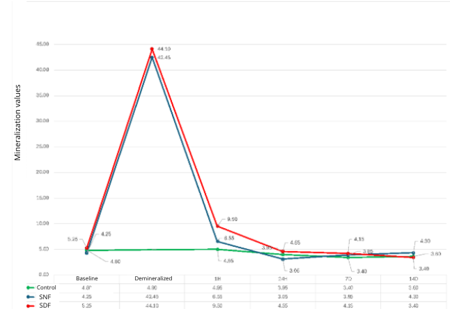
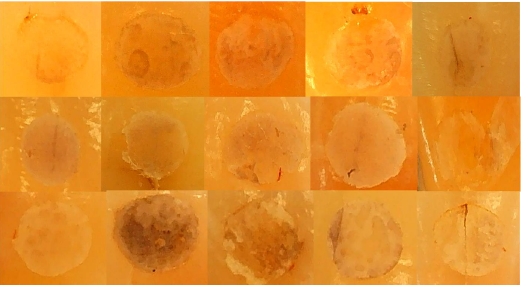
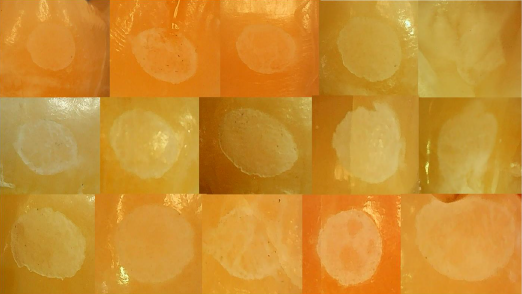
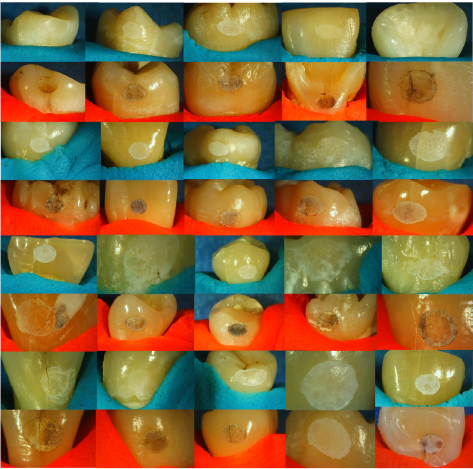
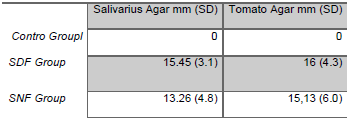
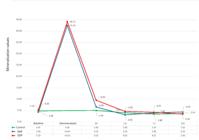
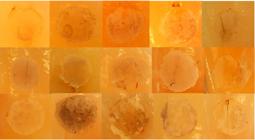
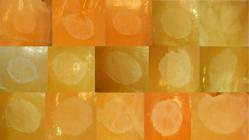
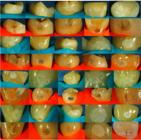
Objective: To evaluate the remineralizing, bactericidal, and staining effects of a sodium fluoride solution containing silver nanoparticles, in comparison with the SDI brand silver diamine fluoride treatment. Forty extracted teeth were used 20 as the control group and 20 for testing the fluoride solutions. All samples were demineralized with phosphoric acid, then treated with SDI fluoride and the experimental fluoride on two surfaces of the same tooth, and stored in artificial saliva at 37°C. Mineralization was assessed using the DIAGNOdent 2095 (KaVo) device before treatment and at 1 hour, 24 hours, 7 days, and 14 days post-application. Staining was evaluated through photographs taken with a stereomicroscope. Bacterial growth inhibition was assessed using salivarius and tomato agar inoculated with samples from carious lesions in a pediatric population. The results showed complete remineralization in both treatment groups with no statistically significant differences, and similar bacterial inhibition, though slightly greater with silver diamine fluoride on salivarius agar. Surfaces treated with the experimental fluoride exhibited no clinical staining, while 75% of those treated with silver diamine fluoride showed noticeable dark staining. In conclusion, the experimental fluoride demonstrated effective remineralizing and bactericidal performance without the staining effect, making it a viable alternative.
Keywords:
Silver compounds; nanoparticles; dental remineralization; dental caries
 Thumbnail
 Thumbnail
 Thumbnail
 Thumbnail