Solitary maxillary central incisor syndrome: a case report
Solitary maxillary central incisor syndrome is a rare alteration in the development and formation of organs located mainly in the midline; which occurs early between days 35 to 38 of intrauterine life. Its etiology is unknown, although it has been associated with deletions of chromosomes 7 (7q.36.1) and 8, and mutations in the Sonic Hedgehog gene. It has a prevalence of 1/50,000 live births and although it is a rare anomaly of craniofacial development, its early diagnosis and treatment are important for general dentists or specialists since it can be a sign of other serious congenital or developmental anomalies. Therefore, the objective of this case is to report the initial phase of treatment in a child with solitary maxillary central incisor syndrome who had not been previously diagnosed with this syndrome.
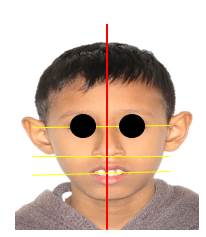
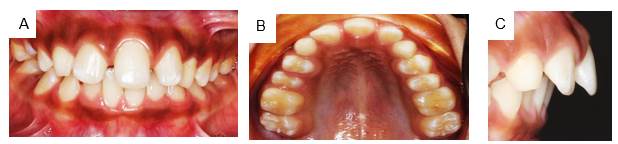
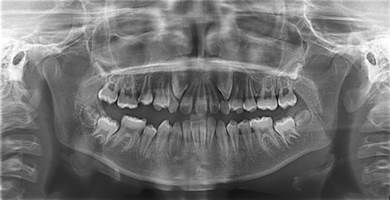
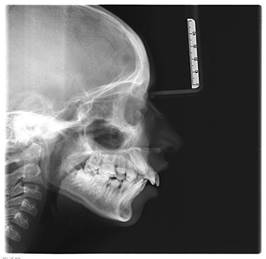
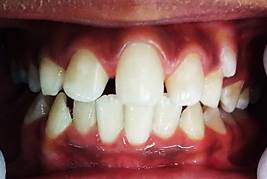
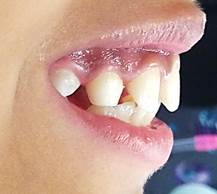
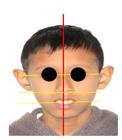
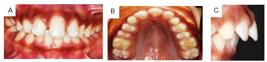
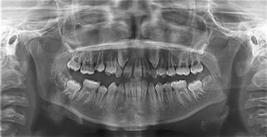
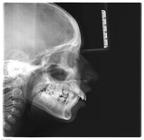
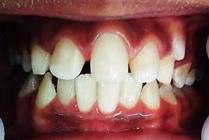
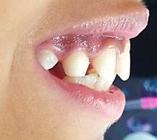
Clinical case: Male patient, 10 years old, from Jamundí, Valle del Cauca- Colombia. Reports absence of upper dental organ. Intraoral examination shows a solitary central incisor on the maxillary midline, absence of labial frenulum and incisive papilla, oval palate and mandibular retrognathism. He was treated in a first phase with maxillary functional orthopedics to improve class II and is waiting to start the second phase of orthodontic treatment.
Conclusions: Solitary maxillary central incisor syndrome is a rare syndrome which involves multiple conditions that interfere with the normal development and growth of anatomical structures.
Keywords:
solitary maxillary central incisor syndrome; development; craniofacial malformation; congenital anomaly; single incisor
 Thumbnail
 Thumbnail
 Thumbnail
 Thumbnail
 Thumbnail
 Thumbnail