CONSTRUCTION OF LINGUISTIC IDENTITY IN EARLY CHILDHOOD: AN EDUCATIONAL ETHNOGRAPHIC STUDY IN A RURAL SETTING
This study aimed to analyze the construction of linguistic identity in early childhood in a rural context, with special emphasis on the use of Quechua as a mother tongue.
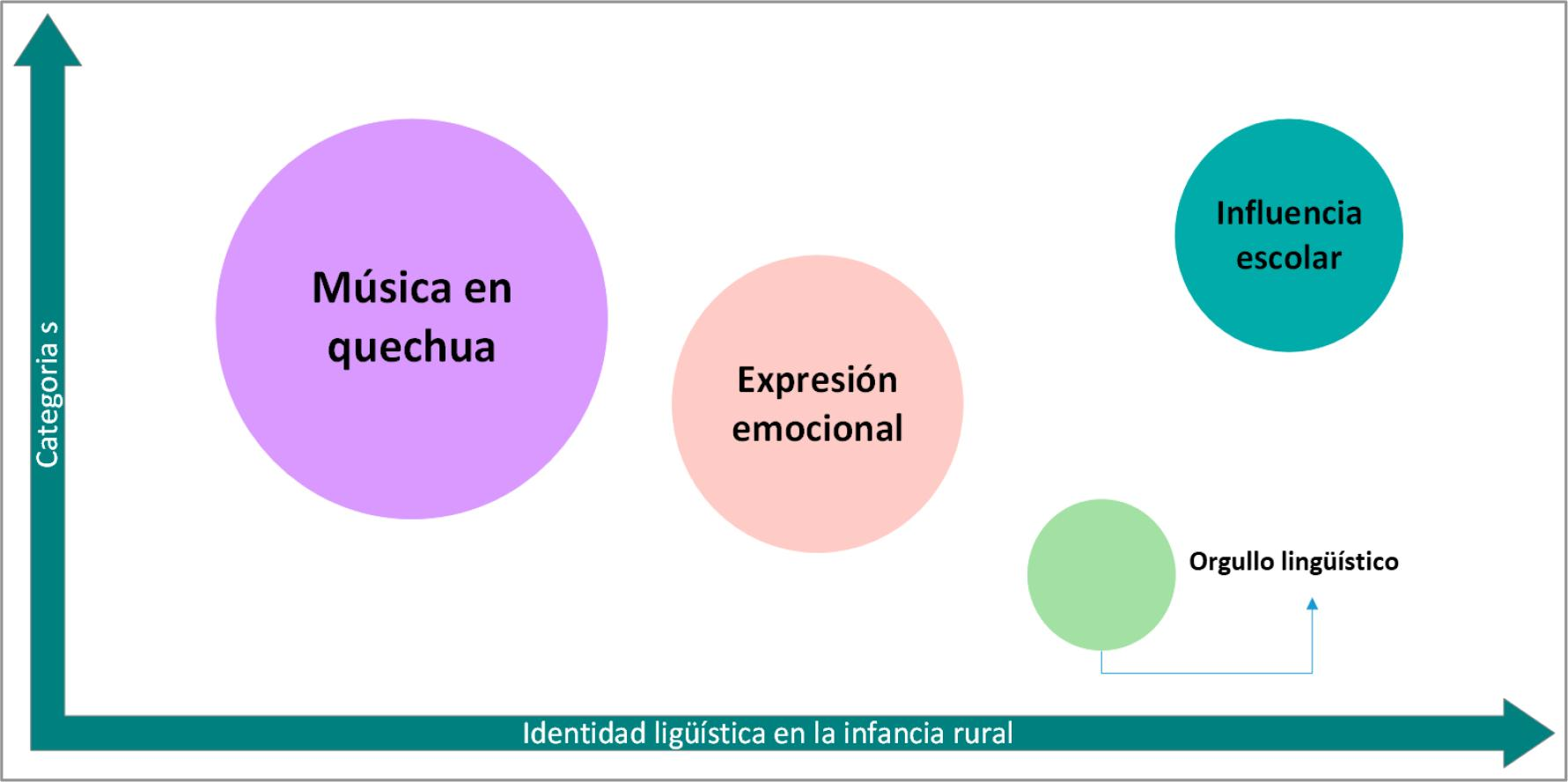
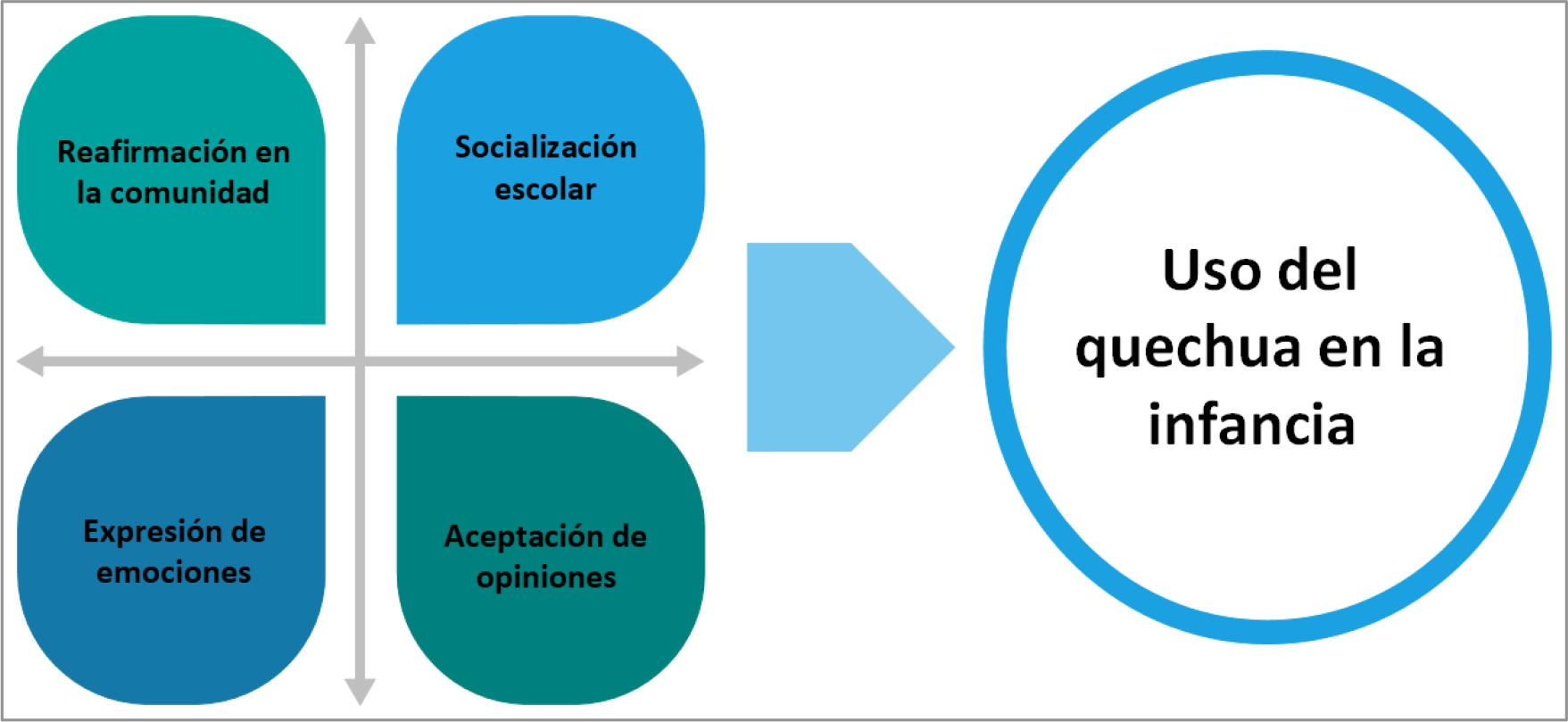
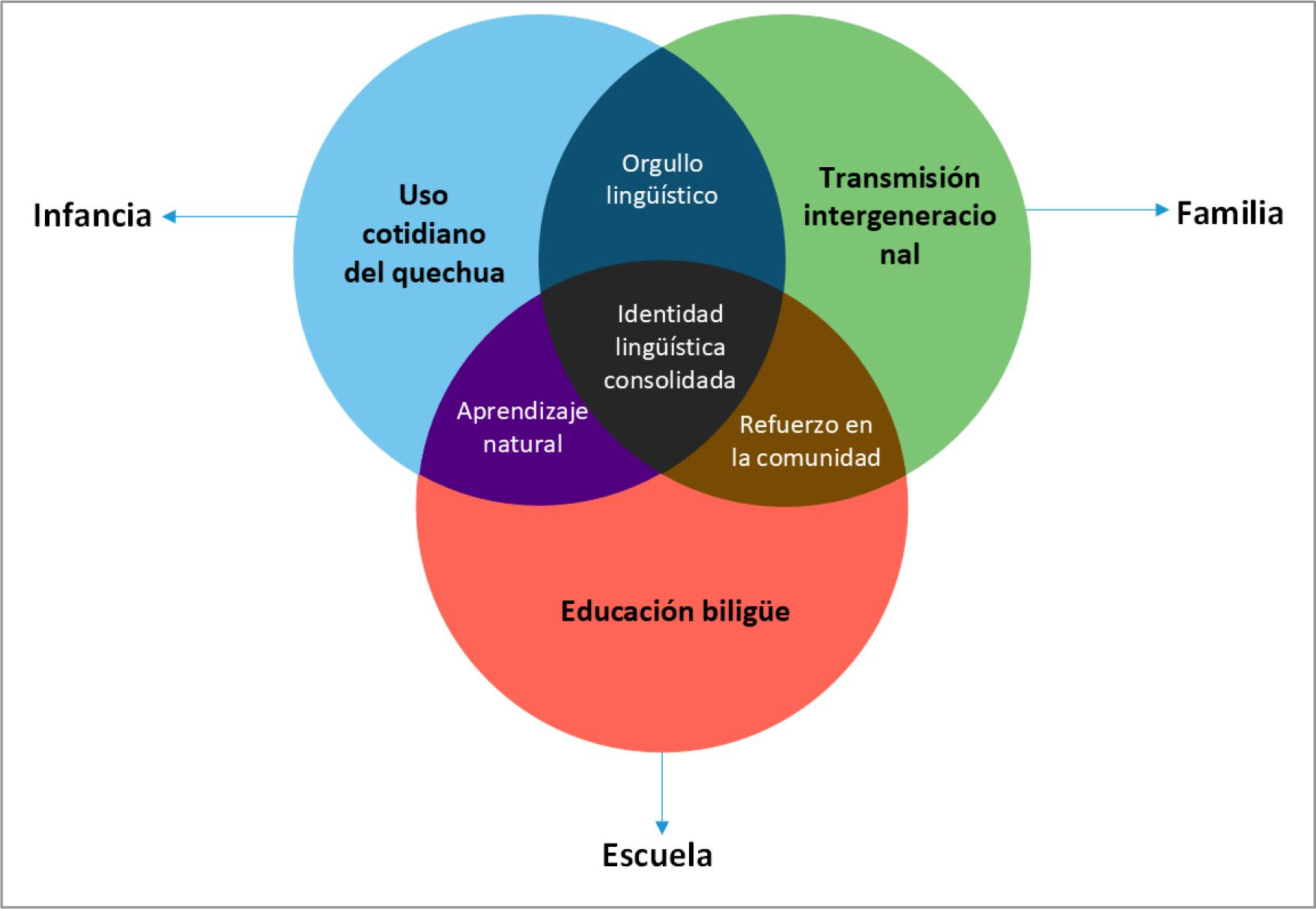
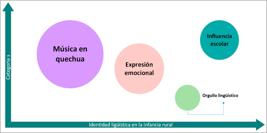
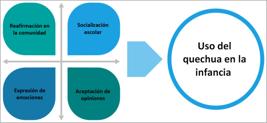
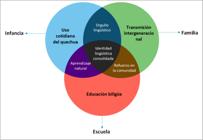
An educational ethnographic approach was used, working with 12 5-year-old students in Pinao (Ayacucho, Peru). Data collection involved in-depth interviews with parents, focus groups with the community, and classroom participant observation. Two sessions were recorded to assess the students' relationship with Quechua in different contexts. The results showed that most students identify with their mother tongue, using it to express emotions, communicate, and participate in everyday activities, although some experience embarrassment when speaking it. Music and interaction in Quechua were observed to strengthen linguistic identity. It is concluded that education and the community environment are key to the preservation of Quechua, and it is therefore recommended to implement pedagogical strategies that reinforce its appreciation from early childhood.
Keywords:
Linguistic identity; Quechua; early childhood; rural education
 Thumbnail
 Thumbnail
 Thumbnail
 Thumbnail