LÉXICOS PARA ALÉM DO LEXICALISMO: NÃO TENTE FAZER ANÁLISE MORFOFONOLÓGICA NA PRIVACIDADE DE SUA GRAMÁTICALÉXICOS MÁS ALLÁ DEL LEXICALISMO: NO INTENTES REALIZAR ANÁLISIS MORFOFONOLÓGICOS EN LA INTIMIDAD DE TU GRAMÁTICA.
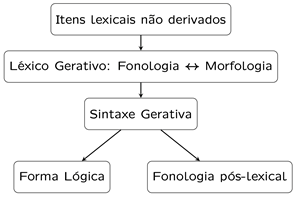
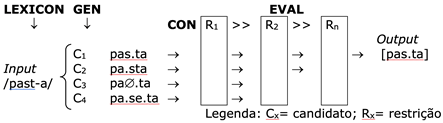
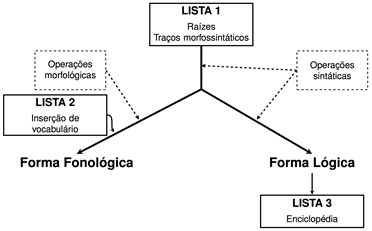
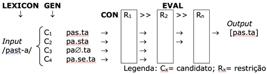
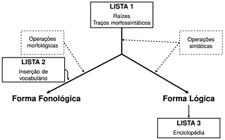
This text addresses the polysemy of the term lexicon in linguistic studies, problematizing the distinction between lexicon and grammar in the analysis of morphophonological phenomena. It is argued that understanding morphophonological knowledge requires describing at least two types of lexicon: the lexicon in use (forms from the permanent lexicon actually employed by speakers) and the potential lexicon (possible words according to language patterns). Based on empirical studies of metaphonic vowel harmony, plurals of nouns ending in nasal diphthongs, and grammatical gender marking in Brazilian Portuguese, it seeks to demonstrate that the best formal analysis must consider the contrast between these lexicons. The place of the lexicon in the architecture of generative grammar is also discussed, particularly in Lexical Phonology and Morphology, Optimality Theory, and Distributed Morphology, defending the necessity of grammatical computation to account for the morphology-phonology interface.
Keywords:
Lexicon; morphophonology; potential lexicon; lexicon in use; architecture of grammar
 Thumbnail
 Thumbnail
 Thumbnail