Locative expressions in interaction: Looking for reference recognition
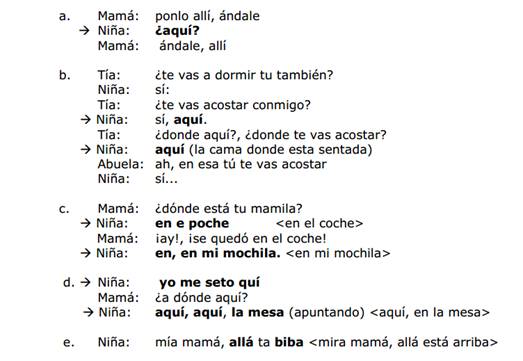
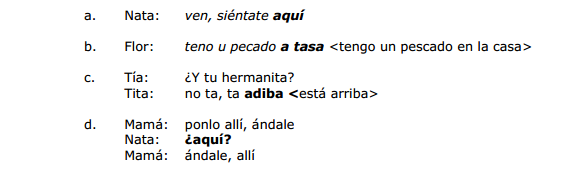
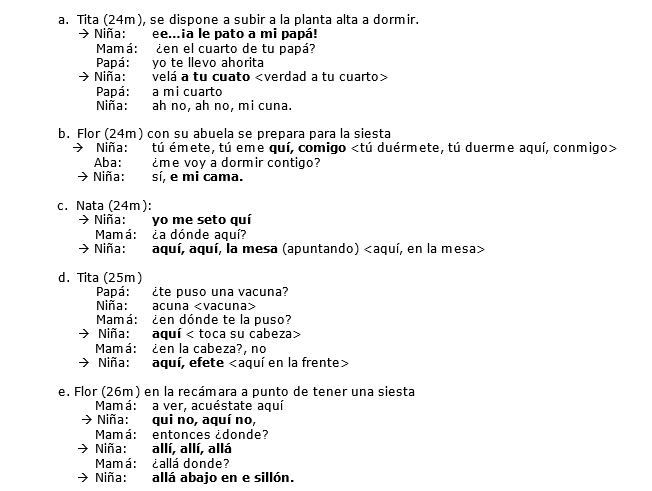
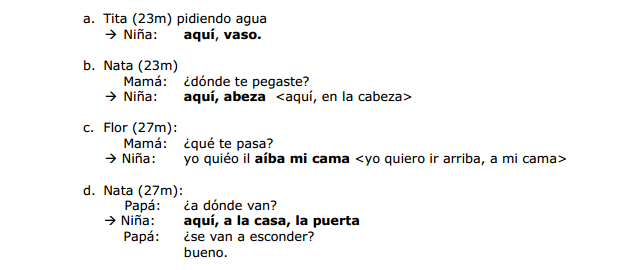
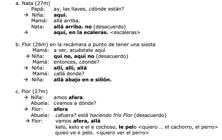
Looking at the development of early interaction allows us to see the fine grained ways children adapt their interventions while they take part in communicative encounters and reference recognition. This paper analyzes the type of adjustments made by children in different interlocutory situations to achieve the recognition of spatial referents and the type of expressions they mobilize for it.
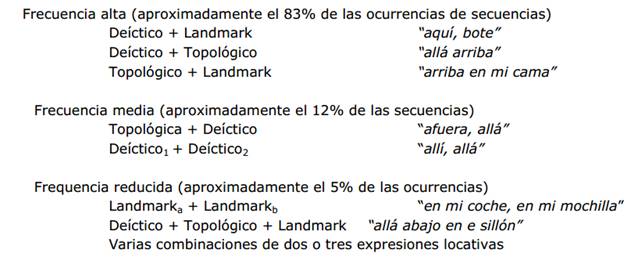
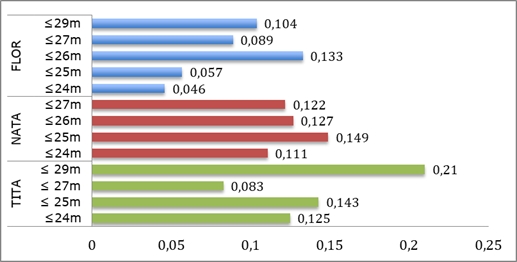
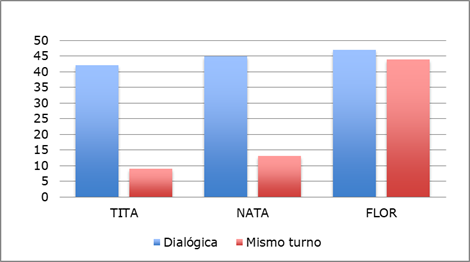
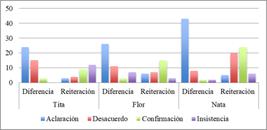
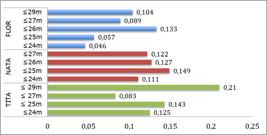
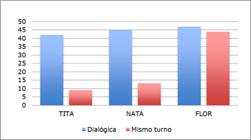
Between 23 to 29 months of age, children acquire extensive expressive resources that instantiate different locative frames: deictic, topological and nominal landmarks. They recruit these resources independently or in combination. In their referential displays they expose a constant updating of their attention to the changing dialogical conditions and the calibration of the informativeness of their expressions. They appeal to reiterations, fundamentally in conditions of confirmation or referential alignment, and combine locative expressions in sequences of informative progressivity in situations of clarification or controversy on a location. Overall, the work provides additional evidence of early childhood deployment of shared intentionality: support of communicative exchanges and foundation of human cognition.
Keywords:
informative progressivity; locative expressions; reference recognition; shared intentionality; dialogical sequences
 Thumbnail
 Thumbnail
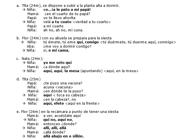 Thumbnail
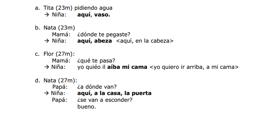 Thumbnail
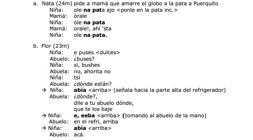 Thumbnail
 Thumbnail
 Thumbnail
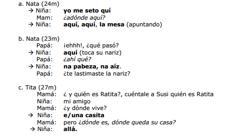 Thumbnail
 Thumbnail
 Thumbnail
 Thumbnail
 Thumbnail
 Thumbnail