ADVERBS WITH SUFFIX -MENTE AND ADVERBIAL ADJECTIVES OFFER DIFFERENT CONTRIBUTIONS TO THE INFORMATION STRUCTURE OF THE SENTENCE
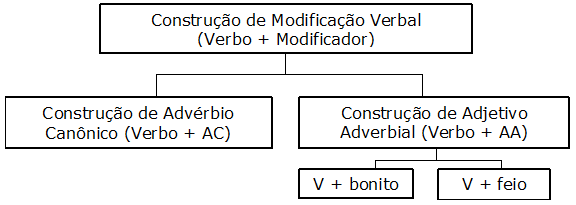
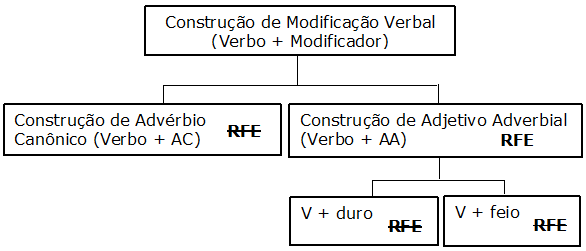
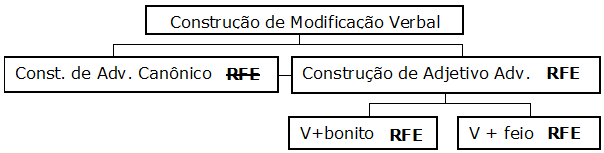
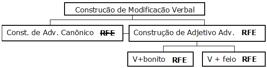
It has been argued that Brazilian Portuguese -mente (‘-ly’) adverbs (e.g. “vencer facilmente” ‘win easily’) and so-called adverbial adjectives (e.g. “vencer fácil” ‘win easy’) display semantic, syntactic and stylistic differences. In this paper, we suggest that these two types of verbal modifiers can be further distinguished on the basis of their information structure properties, in that adverbial adjectives (AAs), but not canonical -ly adverbs (CAs), reject the presence of additional elements in the focus domain. In order to test this hypothesis, an acceptability judgement test was carried out.
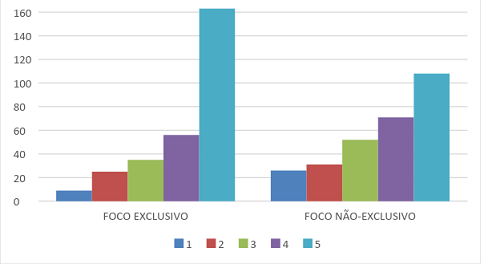
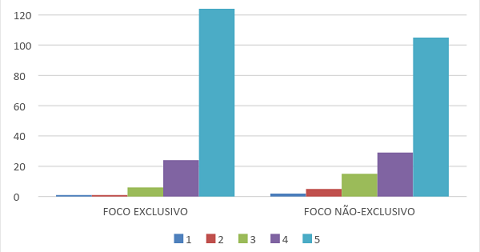
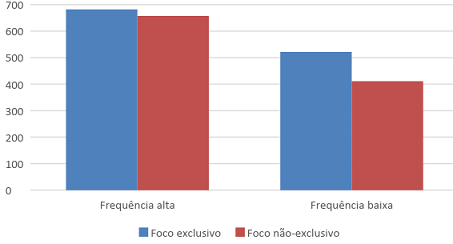
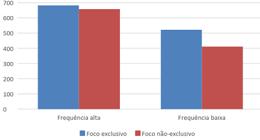
The results show that speakers rate sentences with AAs significantly higher when no additional element shares the focus domain (p=0,007), whereas the same difference does not hold for sentences with CAs (p=0,21).
Keywords:
Adverbial adjectives; Canonical -mente (‘-ly’) adverbs; Information structure
 Thumbnail
 Thumbnail
 Thumbnail
 Thumbnail
 Thumbnail
 Thumbnail
 Thumbnail
 Thumbnail
 Thumbnail
 Thumbnail