Design of learning content on basic digital competences for migrant women in the Region of Murcia, Spain
This paper describes a content-based digital competences training programme aimed at a sample of 699 migrant women living in the Region of Murcia (Spain) who receive the Minimum Vital Income, as part of the “+que Emple-A” project financed by the Spanish Government through the Next Generation European funds granted to alleviate the consequences of the Covid 19 pandemic.
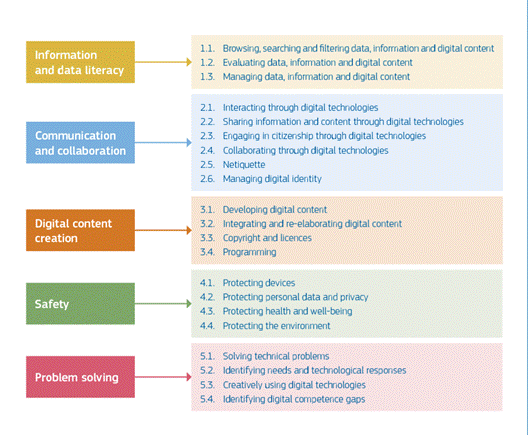
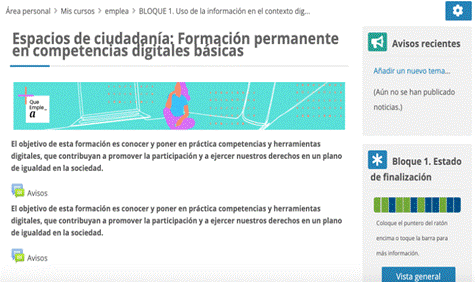
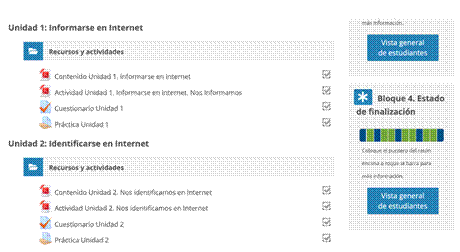
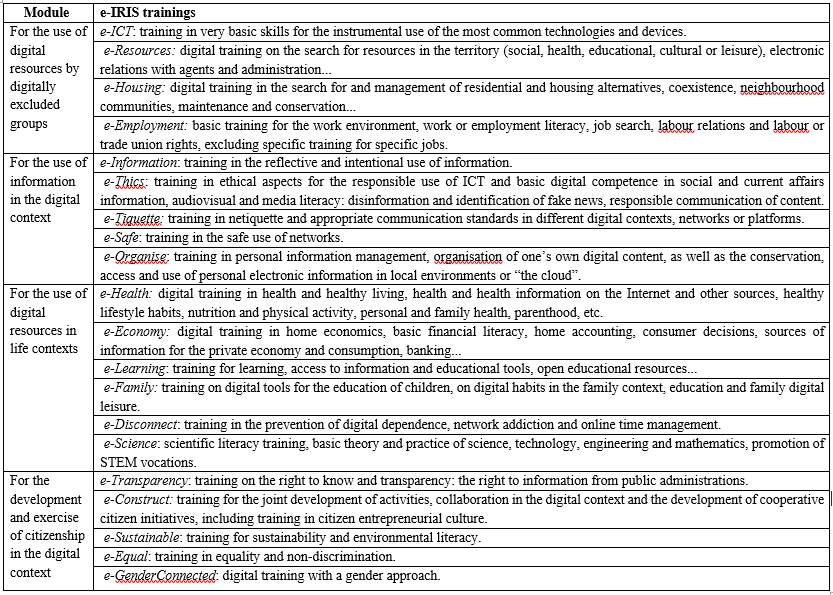
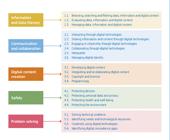
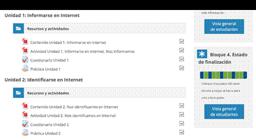
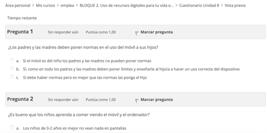
The programme design methodology is based on a comprehensive approach to digital competence according to the European Digital Competence Framework for Citizens (DigComp 2.2), from which 17 didactic units have been developed. The programme is taught with the support of an online training platform in twelve municipalities of the Region of Murcia, and particularly in their public libraries whenever possible. Based on the psycho-pedagogical model of the e-IRIS Project (Vera-Baceta & Gómez-Hernández, 2021), the contents are distributed in four areas: a) Use of information in the digital context, and basic digital tools; b) Use of digital resources in life contexts; c) Development and exercise of citizenship in the digital context; and d) Use of digital resources for digitally excluded groups. The results will be obtained through a pre- and post-test questionnaire as well as a qualitative assessment by learning mediators and the participant women.
Keywords:
DIGITAL COMPETENCE; MIGRANT WOMEN; DIGITAL LITERACY; DIGITAL INCLUSION
 Thumbnail
 Thumbnail
 Thumbnail
 Thumbnail
 Thumbnail