Information literacy in the human rights archives of Uruguay: a discussion about its relevance
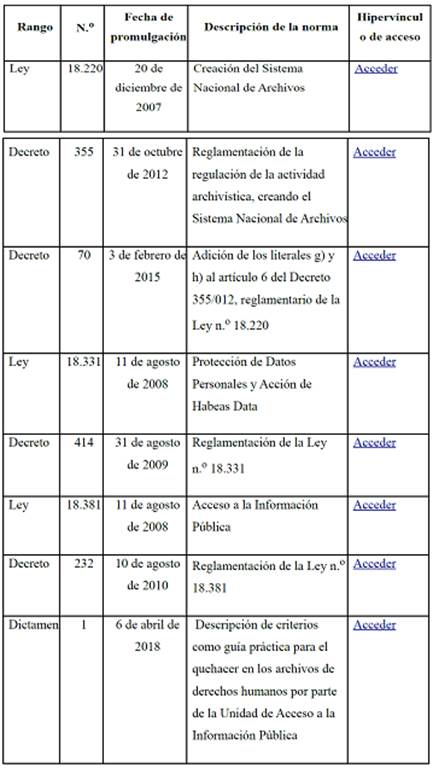
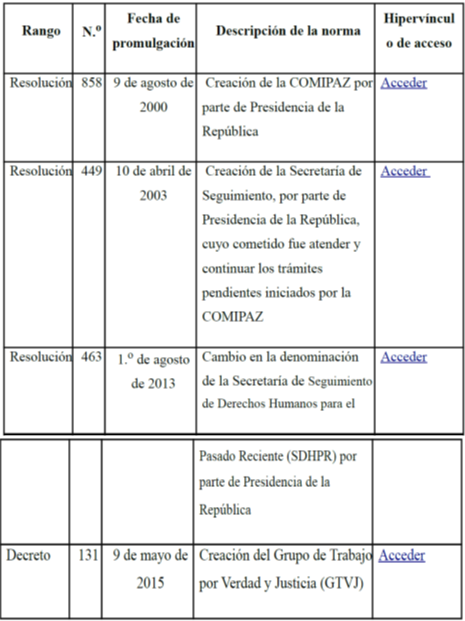
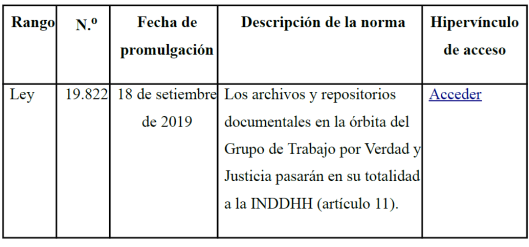
A reflection on the relevance of conducting information literacy studies and its justification is presented from the archives and documentation centers related to the information regarding human rights violations in periods of state terrorism and the last civic-military dictatorship in Uruguay. This discussion becomes important in consideration of the relevance of the information they protect and the specific characteristics of their users when accessing and consulting binding documentation on this topic. It starts from a brief contextualization of the period of illegitimate action of the Uruguayan state and then moves on to regulatory actions for the restoration of democracy and within a transitional justice framework. Consequently, the dimension of the so-called human rights archives in Uruguay is addressed and academic studies of information literacy are reviewed. The need to apply informative human behavior studies for the identification of categories of users in archival information services is recognized. Lastly, the importance of developing informative competences in this type of information services is raised, in support of the search for truth and justice, as well as reparation actions.
Keywords:
INFORMATION LITERACY; ARCHIVES; HUMAN RIGHTS; ARCHIVAL SCIENCE; ACCESS TO INFORMATION; URUGUAY