
 Digital Mapping of Street Harassment: Testimonies of Women who have suffered violence in public spaces
This research examines the use of digital participatory mapping by feminist movements as a form of data activism. Focusing specifically on the Argentine initiative M.I.A.A. which maps incidents of street harassment in the city, the central research question explores how technology enables social action and, in particular, how commercial platforms such as Google can be employed in alternative and counter-hegemonic ways to narrate the violence against women. Using a qualitative methodology, the study analyzes the platform’s functioning and the testimonies of affected women collected through it.
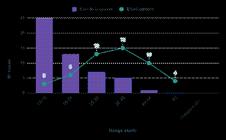
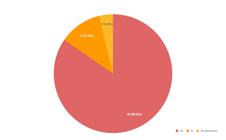
The main findings indicate that street sexual harassment in Rosario repeatedly and broadly targets adolescent and young women, producing lasting emotional impacts that reshape their mobility habits. Moreover, participatory mapping transforms these individual experiences into political information that exposes patterns of risk and structural inequality within the city.
Ultimately, the study concludes that digital maps can be appropriated counter-hegemonically to denounce violence, foster community, and transform pain into collective action, thereby re-signifying urban space and generating situated knowledge that challenges dominant, extractive, and commercial uses of technology.
Keywords:
STREET HARASSMENT; GENDER-BASED VIOLENCE; FEMINISMS; TECHNOLOGY; MAPPING
 Thumbnail
 Thumbnail
 Thumbnail
 Thumbnail
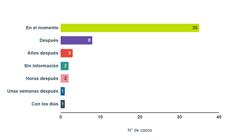 Thumbnail
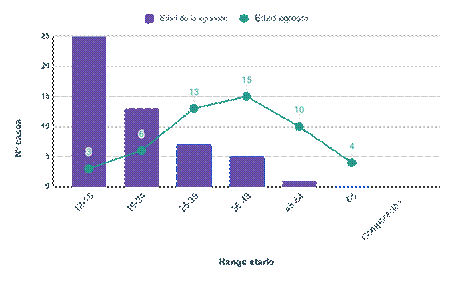 Fuente: Elaboración propia.
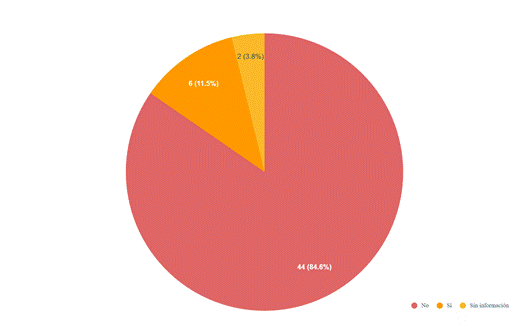 Fuente: Elaboración propia.
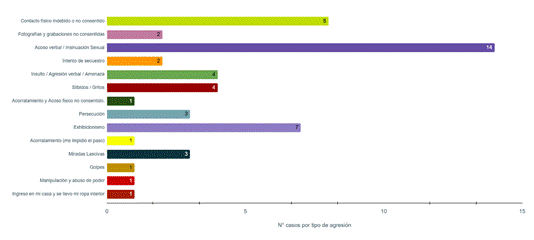 Fuente: Elaboración propia.
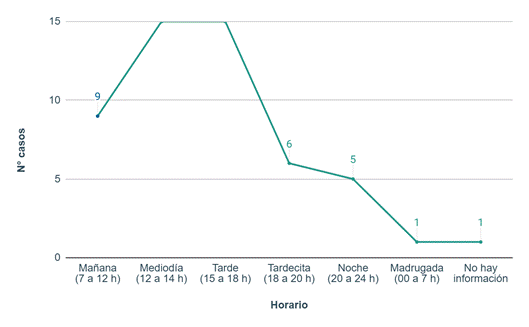 Fuente: Elaboración propia.
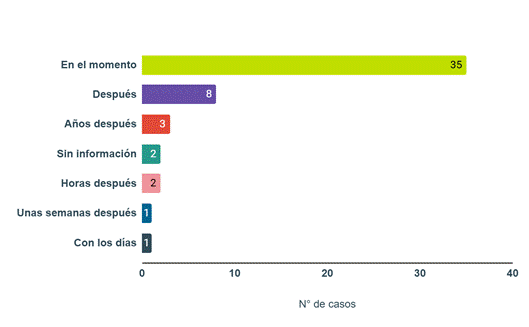 Fuente: Elaboración propia.