Health Terminology, key to humanizing effective Communication
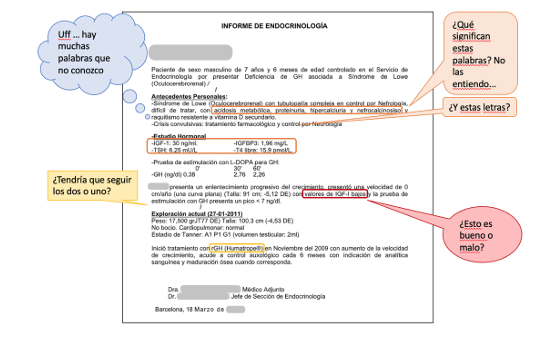
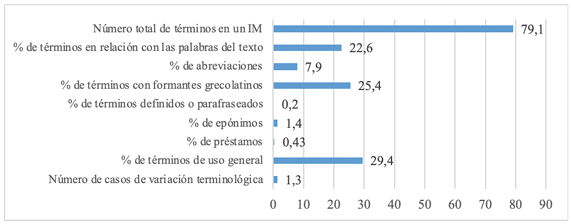
The article analyzes the crucial importance of medical terminology in communication between healthcare professionals and patients. It begins from the premise that effective communication not only improves understanding of diagnoses and treatments but also humanizes medical care. However, it also acknowledges that medical texts-both oral and written-are often difficult to understand due to the excessive use of technical terms, acronyms, abbreviations, and Greco-Latin roots, which result in semantic opacity. The text emphasizes that poorly managed medical terminology can increase patient anxiety and hinder adherence to treatment. Likewise, terminological synonymy and polysemy frequently introduce ambiguity into communication. In light of these communicative challenges, the article aims to demonstrate how certain applications assist patients in managing health comprehension. These are applications tailored to the patients’ linguistic and cognitive needs. Among the elements considered to facilitate understanding between patients and healthcare professionals are the use of metaphors, paraphrasing, explanatory strategies, and visual aids. The article advocates for comprehensive communicative training for healthcare professionals and underscores the value of language as a therapeutic tool. Finally, the article presents two technological initiatives: DIXIMED and COMjuntos, in which these principles have been applied. These initiatives empower patients by promoting accessible medical information through appropriate management of terminology and the inclusion of the patient’s voice.
Keywords:
HEALTHCARE COMMUNICATION; MEDICAL TERMINOLOGY; LANGUAGE BARRIERS; HUMANIZATION OF HEALTHCARE; LEXICAL RESOURCES
 Thumbnail
 Thumbnail