Religious Mediatization and Obituaries: a Theoretical Approach
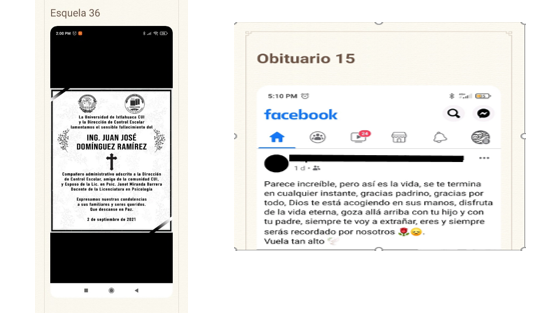
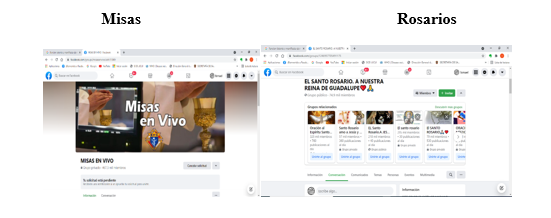
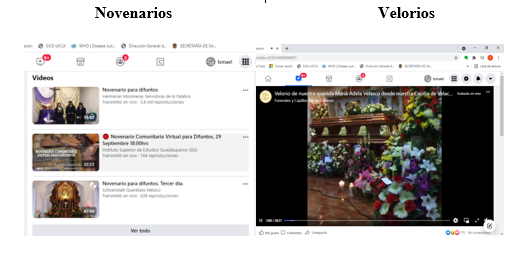
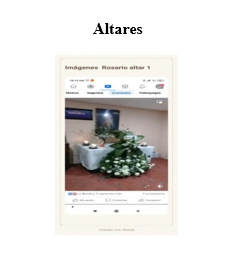
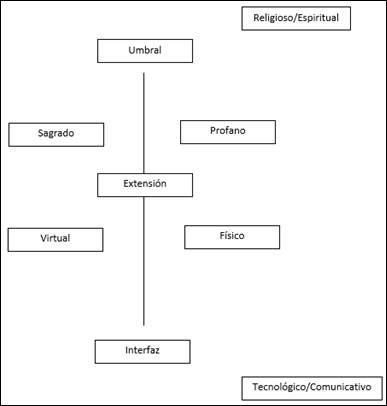
The text analyzes how religiosity adapts to confinement conditions through digital media, giving rise to new forms of virtual funeral rituals. Drawing on theoretical reflection, it connects concepts such as Eliade’s (2012) hierophany, McLuhan’s (1996) extension, and Scolari’s (2015) interface to explore how social networks mediate the representations of death and mourning. The plasticity of the religious phenomenon is highlighted, showing that in the absence of in-person rituals, virtuality becomes a symbolic alternative to express collective suffering. Finally, the paper seeks to lay the groundwork for future analyses of necrological narratives and the mediating role of technology in contemporary religious experience.
KEYWORDS:
necrological narratives; virtual rituals; cyber-religiosity; plasticity; interface
 Thumbnail
 Thumbnail
 Thumbnail
 Thumbnail