Physiognomic types. Notes on a modelling of the face from cognitive semiotics
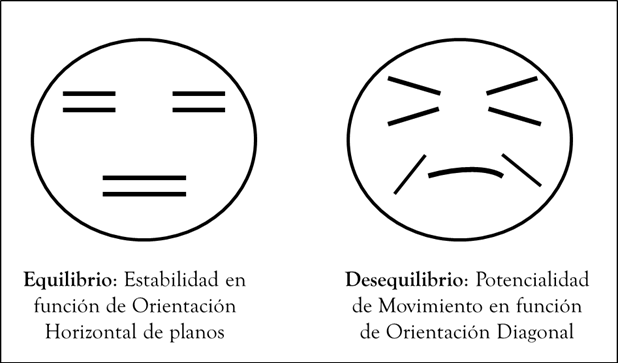
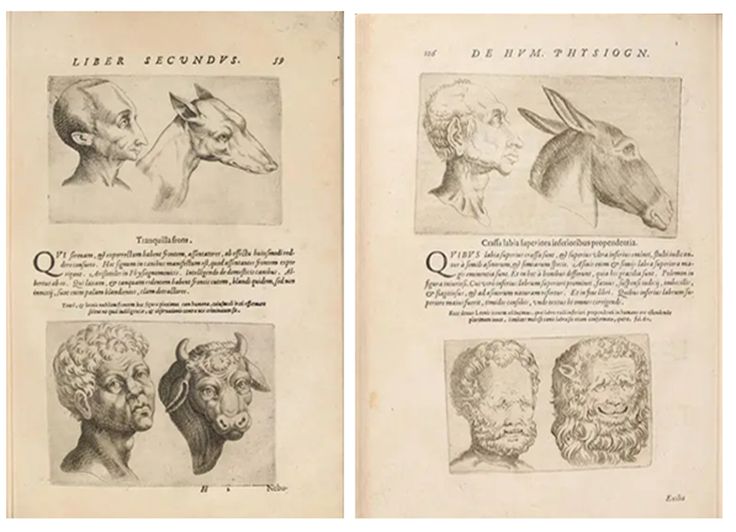
This article seeks to establish a reflective dimension regarding the conditions and problems involved in facial modeling. To do so, it will utilize theoretical considerations from cognitive semiotics and, at the same time, illustrate the reflection by considering some relevant cases.
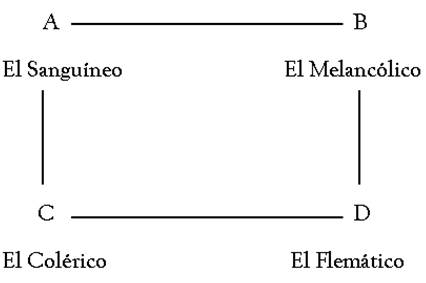
Specifically, this article seeks to raise specific questions regarding Kant's (2010) approach to the interpretive function of the face: for the German philosopher, the face and the gaze allow us to intuit a subject's temperament. Thus, the theoretical and methodological foundations of cognitive semiotics will be used to argue Kant's proposal and, at the same time, establish the cognitive conditions involved in facial modeling.
KEYWORDS:
modeling; physiognomic type; scheme; gaze; face
 Thumbnail
 Thumbnail
 Thumbnail
 Thumbnail
 Thumbnail