Assessment Instruments in Individuals at the End-of-life: An Integrative Review
Introduction: The clinical assessment of individuals at the terminal stage of illness requires valid and reliable instruments to identify complex needs in highly vulnerable contexts. International evidence shows conceptual and methodological heterogeneity among available tools and limited adaptation to Latin American settings
Objective: To identify, classify, and analyze the characteristics and psychometric properties of instruments used in the healthcare of people at the end of life
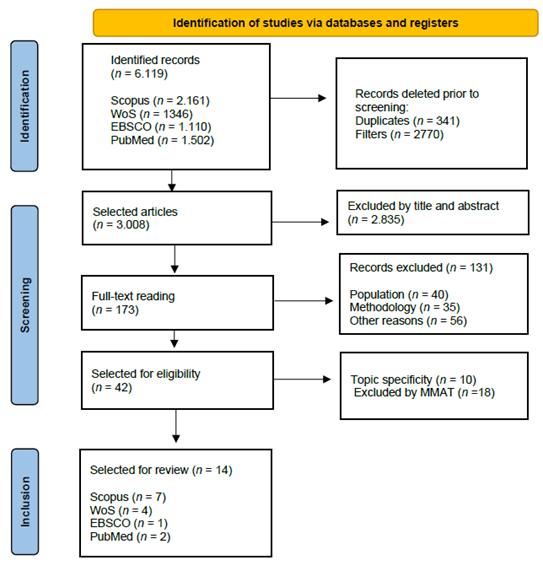
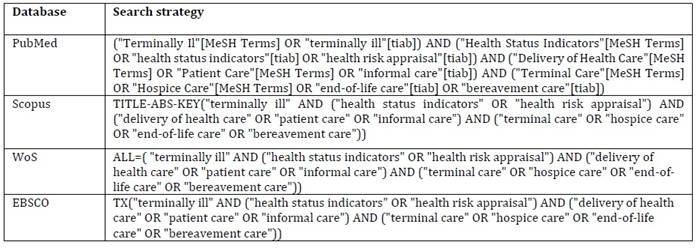
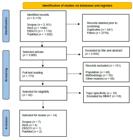
Methodology: An integrative review was conducted following INTEGRA criteria. The search was performed between September 2024 and May 2025 in PubMed, Scopus, Web of Science, and EBSCO, including studies published between 2015 and 2025. Study selection followed PRISMA 2020 guidelines, and methodological quality was assessed using MMAT. Data were synthesized through thematic categorization
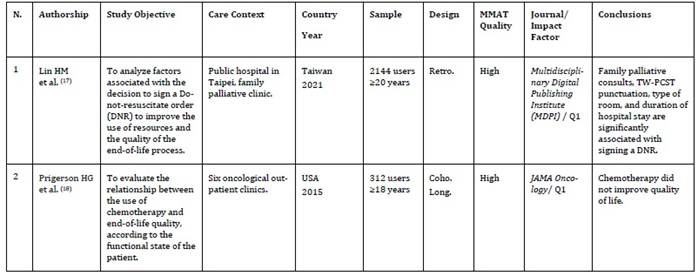
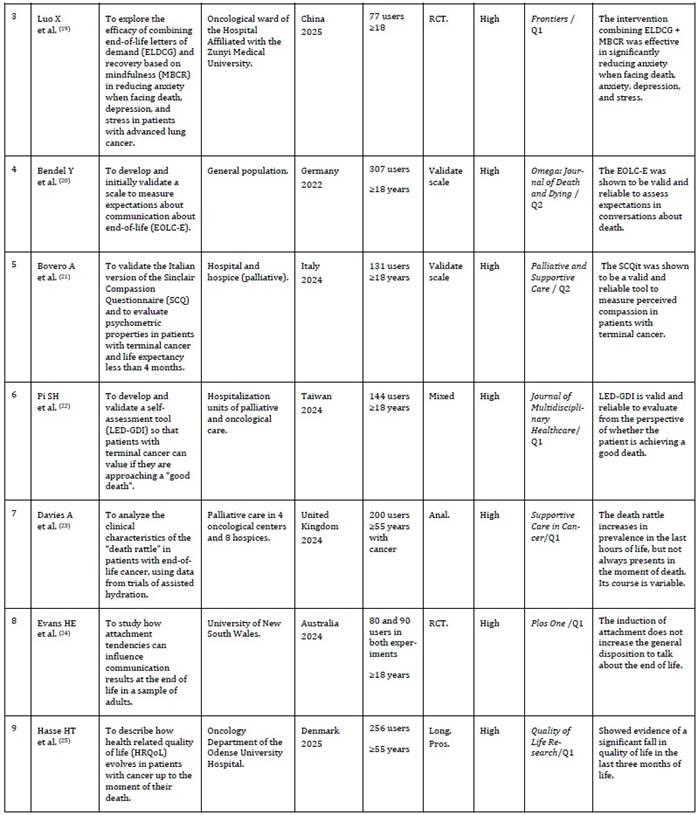
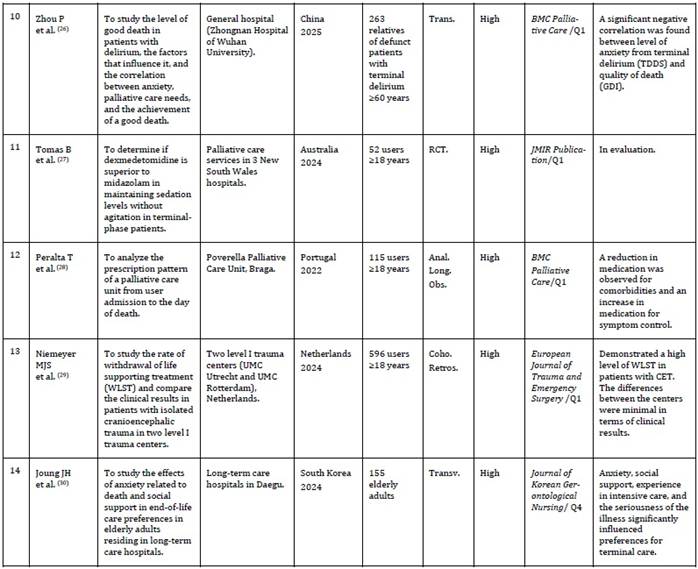
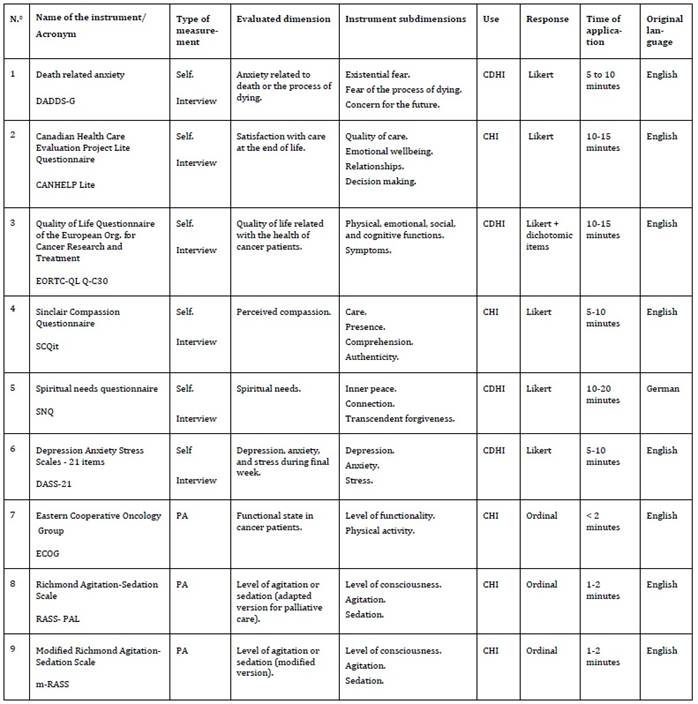
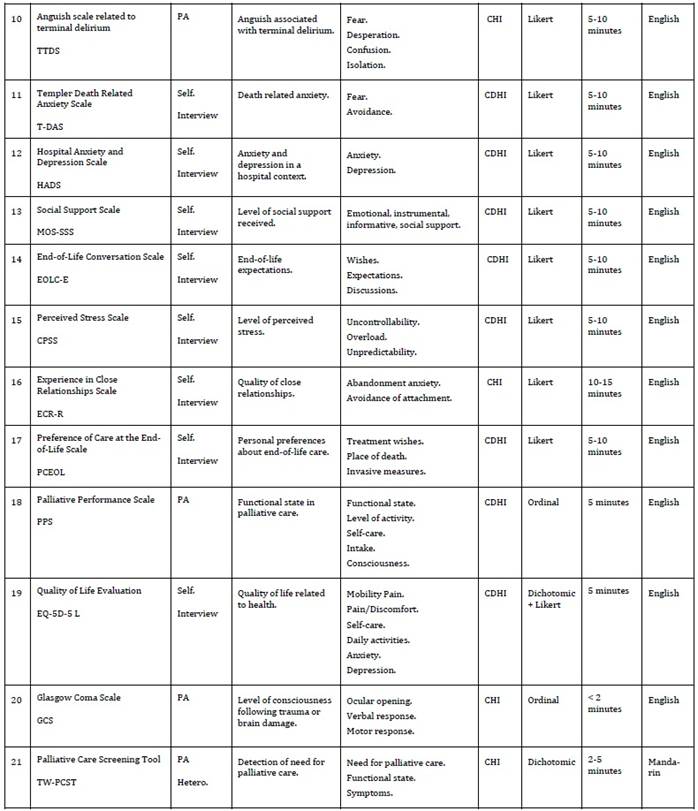
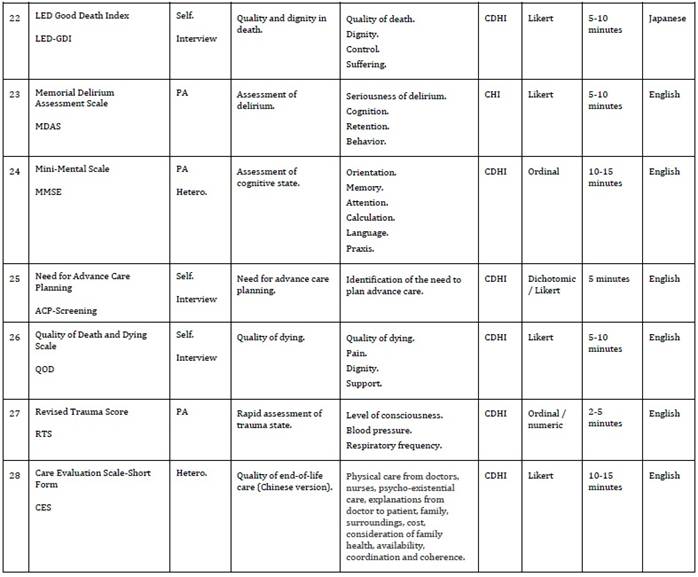
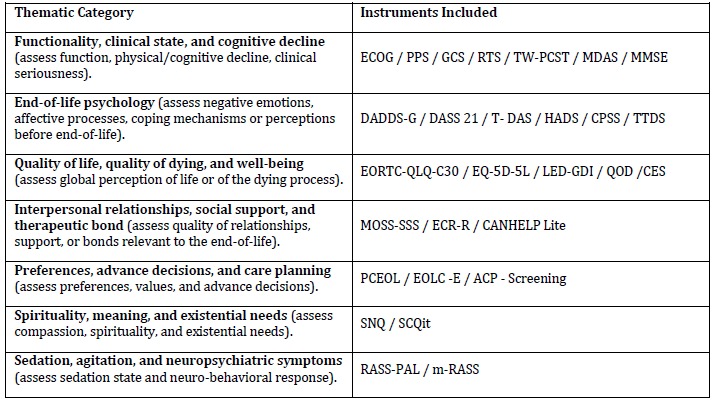
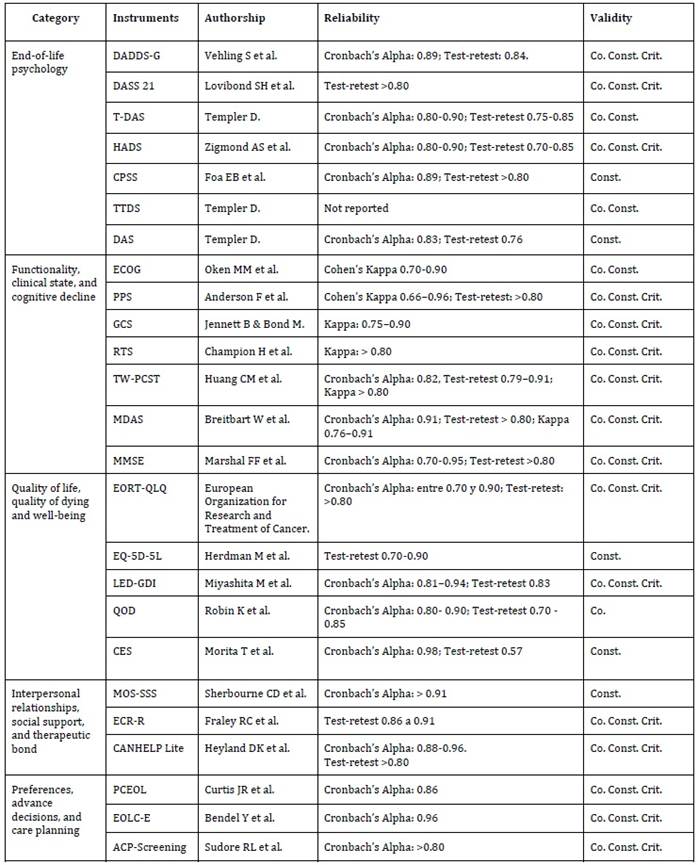
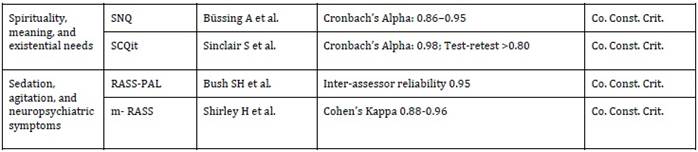
Results: Fourteen articles were included, reporting 28 instruments applied to end-of-life populations. Tools focused primarily on functional status, clinical condition, and psychological dimensions, whereas spirituality, existential needs, interpersonal relationships, and advanced-care planning were less represented. Most instruments demonstrated acceptable validity and reliability, although variability was observed in theoretical foundations, development processes, and cross-cultural validation
Conclusions: Although a wide range of assessment instruments is available for terminal care, their practical use is limited by conceptual heterogeneity, lack of standardization, and insufficient cultural adaptation. Strengthening comprehensive assessment through locally validated instruments is essential to improve end-of-life care quality
Keywords:
terminally ill; terminal care; surveys and questionnaires; psychometrics
 Thumbnail