Barriers and Facilitators of Health Care in People with Cancer in a Commune in Northern Chile: Qualitative Report
Introduction: Cancer patients constitute a vulnerable group of the population due to the fragility caused by the disease. After consulting the literature, problems in access to health care are described
Objective: Analyze the access barriers and facilitators that affect people with cancer in a commune in northern Chile
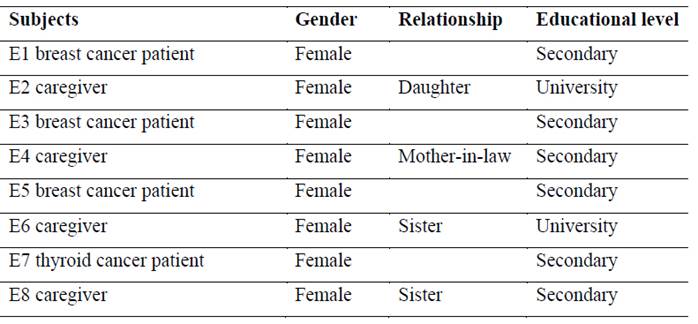
Methodology: It was approached from the interpretive paradigm, qualitative methodology, and content analysis approach according to Bardin. The sample was intentional and considered four patients with cancer and four family caregivers. In-depth interviews were conducted, and a grid of guiding questions was used. Authorization was obtained from an accredited research ethics committee
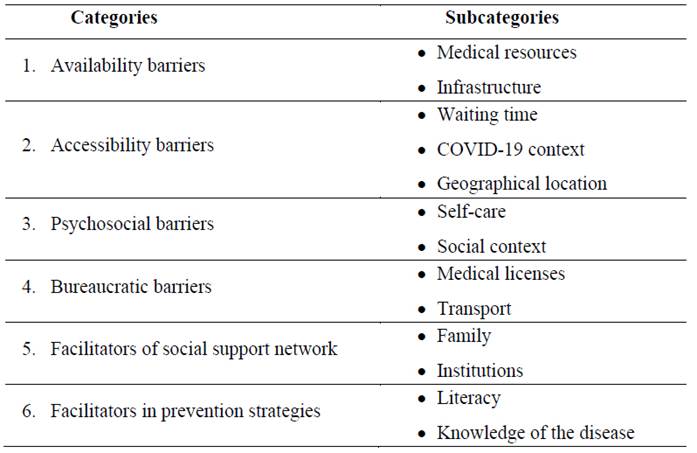
Results: There were identified a) availability, b) accessibility, c) psychosocial and d) bureaucratic barriers, and facilitators in e) support networks and f) prevention strategies
Conclusions: Availability barriers are especially important for patients since they are associated with a deficit in the supply of timely oncological services. Networks of self-help groups stand out as facilitators of the therapeutic process. The identification of barriers and facilitators contributes to improving action strategies for better care of cancer patients
Keywords:
barriers to access of health services; health equity; cancer care facilities